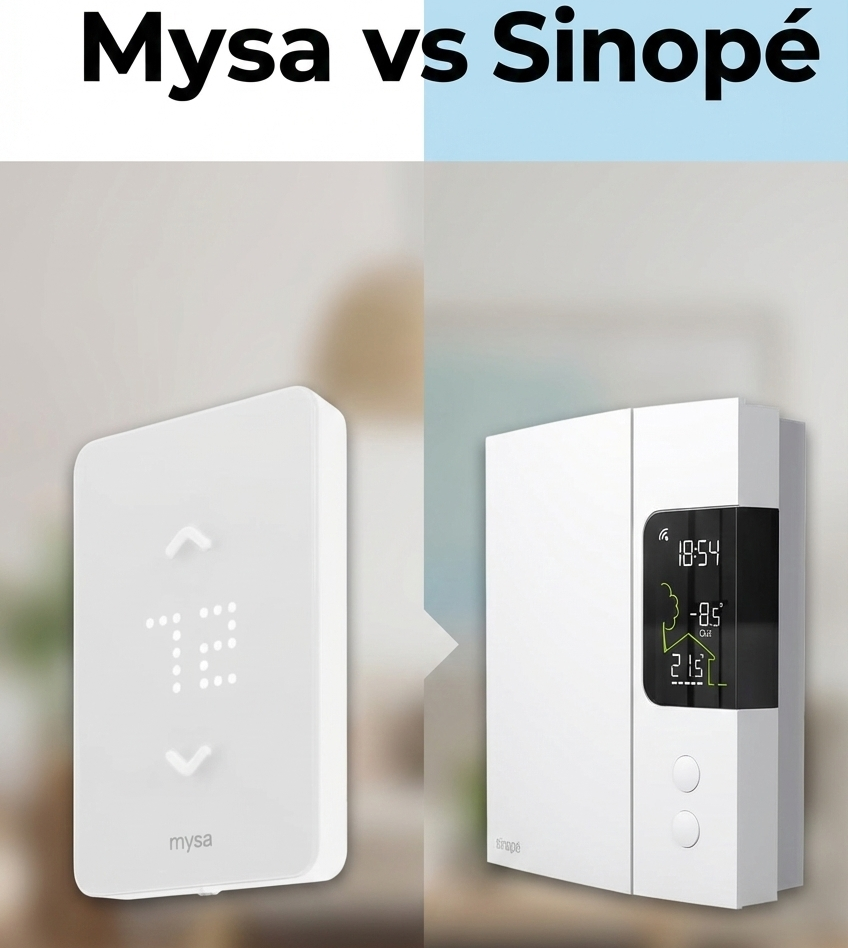
Mysa vs Sinopé: The Battle for Electric Heating Control
For years, homeowners with electric baseboard heating felt left behind by the smart home revolution. While neighbors with central air were showing off their fancy Nest and Ecobee units, those of us with high-voltage heating were stuck with ugly, manual beige dials. That has finally changed.
Enter the two Canadian titans of the high-voltage smart thermostat world: Mysa and Sinopé. Both offer sleek solutions to replace your old line-voltage thermostats, but they take very different approaches to design, connectivity, and ecosystem. This is a fundamentally different product category from the low-voltage smart thermostats most people are familiar with — if you are uncertain about the distinction, our 2-minute line-voltage vs low-voltage wiring test will definitively identify which type your home uses.
If you are looking for a thermostat for baseboard heaters, the choice usually comes down to these two. In this comprehensive Mysa vs Sinopé comparison, we will break down the wiring, the Wi-Fi protocols, the app experiences, the energy savings potential, and ultimately, which one deserves a spot on your wall. For a broader look at how these brands compare specifically on installation noise and relay switching behavior, see our dedicated Mysa vs Sinopé electric baseboard thermostat comparison which covers the V2 vs TH1123WF matchup in additional detail.
Why Electric Heating Needs Its Own Thermostat Category
Before comparing the two brands, it is essential to understand why Mysa and Sinopé exist as a separate category from the Nest, Ecobee, and Honeywell thermostats that dominate the smart home conversation. The short answer: voltage.
A standard central heating system — gas furnace, heat pump, or central air conditioner — operates on 24-volt alternating current (24VAC) control wiring. The thermostat is a low-voltage switch that sends tiny signals to relays in the furnace or air handler. These systems are safe for DIY installation because 24V cannot deliver a dangerous shock under normal circumstances. Every thermostat covered in our what is a thermostat guide falls into this low-voltage category unless specifically stated otherwise.
Electric baseboard heaters, fan-forced wall heaters, and electric radiant floor systems operate on line voltage — the same 120V or 240V that powers your appliances and lights. The thermostat is not sending a control signal; it is directly switching the full heating current. A typical baseboard heater draws 8-16 amps at 240V, which is more than enough to cause injury or start a fire if wired incorrectly. This is why both Mysa and Sinopé emphasize professional installation in their documentation, and why building codes in most jurisdictions require line-voltage thermostat installations to be performed by a licensed electrician.
Line-voltage thermostats also have different internal components. Instead of the small signal relays found in low-voltage thermostats, Mysa and Sinopé units contain heavy-duty relays or TRIACs (solid-state switches) rated to handle the full current of your heating circuit — typically 16 amps or 3,800 watts at 240V. The TRIAC-based switching used in the Mysa V2 is particularly noteworthy because it eliminates the audible “click” of a mechanical relay, a quality-of-life improvement detailed in our Mysa V2 TRIAC switching vs relay noise comparison.
For context on how line-voltage thermostats fit into the broader thermostat landscape: if you have a central furnace or heat pump, you need a low-voltage thermostat. If you have electric baseboards in each room, each room typically has its own line-voltage thermostat controlling that room’s heater independently. This “one thermostat per room” architecture means a whole-home upgrade may involve installing 5-10 thermostats, which makes the per-unit cost and the networking scalability much more important factors than they would be for a single central thermostat installation.
At a Glance: Mysa vs. Sinopé
Before we dive into the deep technical details, here is a quick cheat sheet to help you understand the fundamental differences between these two systems.
| Feature | Mysa (V2 for Baseboards) | Sinopé (Wi-Fi & Zigbee Models) |
|---|---|---|
| Best For | Design lovers, Apple HomeKit users, simplicity | Data geeks, Zigbee/Hub users, Whole-home automation |
| Connectivity | Direct Wi-Fi (No Hub) | Choice of Wi-Fi (No Hub) or Zigbee (Hub Required) |
| Display | Minimalist LED Dot Matrix | Backlit LCD with detailed info |
| Switching Technology | TRIAC (solid-state, silent) | Mechanical relay (audible click) |
| Ecosystem | Heating/Cooling focused (Baseboard, AC, Floor) | Broad (Lighting, Water Valves, Load Control) |
| Integration | HomeKit, Alexa, Google, IFTTT | HomeKit, Alexa, Google, SmartThings, Hubitat |
| Wiring | Usually 4-wire (Needs Neutral/L2) | 2-wire (conn. dependent) & 4-wire options |
| Max Load (240V) | 3,800W (16A) | 4,000W (16.7A) typical |
| Hub Required | No | No (Wi-Fi) / Yes (Zigbee) |
Meet the Contenders
Mysa: The Design-First Disruptor
Based in St. John’s, Newfoundland, Mysa (an Empowered Homes company) burst onto the scene with a clear mission: make high-voltage heating look good. Their thermostats are famous for a sleek, button-less design that blends into modern decor. If you read any Mysa smart thermostat review, you’ll see users consistently raving about how it modernizes a room that previously had a utilitarian beige dial.
Mysa focuses strictly on HVAC control, offering dedicated units for Baseboards (V1 and V2), In-Floor Heating, and Mini-Split Air Conditioners. This focused product strategy means their app is purpose-built for thermal comfort rather than trying to be a general-purpose smart home platform. The V2, released as an upgrade to the original, shrank the housing by 40% and switched from mechanical relays to solid-state TRIAC switching — making it completely silent in operation and easier to fit into crowded gang boxes.
For an understanding of how smart thermostats like the Mysa communicate with cloud servers and mobile apps, our smart thermostat connectivity guide covers the Wi-Fi architecture, command latency, and cloud-vs-local processing tradeoffs that affect every internet-connected thermostat regardless of voltage type.
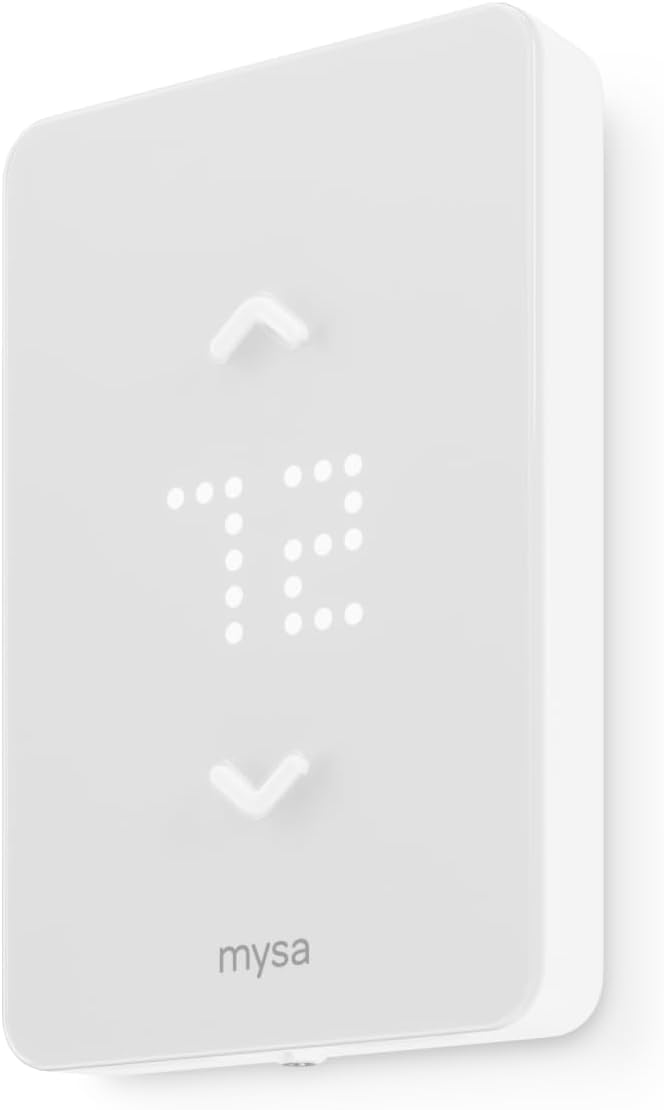
Mysa Smart Thermostat for Electric Baseboard Heaters V2
Minimalist design, direct Wi-Fi connection, silent TRIAC switching, and premium build quality.
Check Price on AmazonSinopé: The Engineering Powerhouse
Based in Quebec, Sinopé Technologies takes a more utilitarian, engineering-focused approach. While their thermostats are attractive in a functional sense, they prioritize information density and data visibility on the screen. Sinopé is not just a thermostat company; they manufacture smart light switches, load controllers, and smart water leak detection systems — they are building a whole-home ecosystem rather than focusing exclusively on heating.
They offer two distinct lines: the Wi-Fi Series (plug and play, no hub required) and the Zigbee Series (for advanced home automation hubs like SmartThings, Hubitat, and Home Assistant). This dual-radio strategy is unique in the line-voltage thermostat market and allows homeowners to choose the networking architecture that suits their home’s size and their technical comfort level.

Sinopé Smart Wi-Fi Thermostat (TH1123WF)
Reliable, detailed display, physical buttons for tactile feedback, and no hub required for the Wi-Fi version.
Check Price on AmazonDesign & Display: Form vs. Function
This is arguably the biggest differentiator between the two brands. Your thermostat lives on your wall — often multiple thermostats, one per room — so you have to like looking at it, and it has to make sense to everyone in the household including guests who may not be familiar with the interface.
Mysa’s Minimalist Approach
Mysa uses a capacitive touch interface with an LED dot-matrix display. When not in use, it can dim completely or show the current temperature in a soft glow that acts as a subtle night light. There are no physical buttons — all interaction happens through taps and swipes on the faceplate, similar to interacting with a modern smartphone. It feels very “Apple-esque” and is designed to disappear into the background rather than announce itself as a piece of technology on the wall.
However, the minimalist approach has tradeoffs. Some users find the lack of physical feedback tricky — you cannot adjust the temperature by feel while walking past, you must look at the display. The LED dot matrix shows less information at a glance compared to traditional LCD screens: you see the current temperature and setpoint, but not heating status, energy usage, or outdoor temperature without opening the app. For design purists, these are acceptable compromises. For those who want maximum data visibility at the thermostat itself, Sinopé’s approach is more satisfying. Our guide to touchscreen thermostats with backlight covers interface design tradeoffs across multiple brands and price points.
Sinopé’s Functional Approach
Sinopé thermostats typically feature a backlit LCD screen with clearly segmented information zones. They show the set temperature, current room temperature, heating status (displayed as wattage or percentage of full power), and even outdoor temperature pulled from the internet via Wi-Fi. They have two physical buttons — one for raising the temperature, one for lowering it — that provide tactile click feedback. In a home with elderly residents or guests who are uncomfortable with touchscreen interfaces, these physical buttons are genuinely more accessible.
If you prefer having thermostat functions explained simply with clear data right on the device without opening an app, Sinopé wins decisively. The screen tells you everything you need to know in one glance. The tradeoff is aesthetic: the Sinopé looks like a piece of technology, not a design object. In a modern, minimally decorated room, it stands out rather than blending in.
Connectivity: Wi-Fi vs. Zigbee — The Scaling Question
Understanding how these devices communicate with your network is crucial for stability, especially in homes with many heating zones. A typical electrically heated home might have 5-8 baseboard thermostats — each one is a separate network device that needs to maintain a reliable connection.
Mysa (Wi-Fi Only)
Mysa connects directly to your home’s 2.4GHz Wi-Fi network. This is great for simplicity — you do not need to buy an extra hub, and the setup process is the familiar “connect to Wi-Fi, enter password” workflow that everyone with a smartphone understands. However, if you have 10 baseboard heaters in a large house, adding 10 Wi-Fi devices can congest a standard consumer router, particularly an older model with limited simultaneous connection capacity. For smaller setups (3-5 thermostats), the Wi-Fi-only approach is straightforward and reliable. For the broader question of whether internet-connected thermostats justify their cost across all heating types, our are Wi-Fi thermostats worth it guide covers the cost-benefit analysis for different household sizes and heating fuels.
Sinopé (Choose Your Adventure)
Sinopé gives you a choice that no other line-voltage thermostat brand currently offers:
- Wi-Fi Series: Like Mysa, connects directly to your router. Easy setup, no additional hardware. Ideal for homes with 5 or fewer thermostats where Wi-Fi congestion is not a concern.
- Zigbee Series: Connects to a Zigbee gateway (like Sinopé’s own GT130 bridge, Samsung SmartThings, Hubitat, or Home Assistant with a Zigbee coordinator).
The Zigbee option is a massive advantage for power users and larger homes. Zigbee creates a mesh network — each mains-powered Zigbee device (like a thermostat) acts as a repeater for the others, extending the network’s range automatically as you add devices. A thermostat in a distant bedroom that might struggle to reach a Wi-Fi router can communicate through a thermostat in the adjacent hallway that is within range of the hub. This mesh architecture is inherently more scalable than a star-topology Wi-Fi network where every device must communicate directly with the router.
Zigbee also keeps your Wi-Fi network uncluttered. Instead of 8 thermostats competing for airtime on your Wi-Fi router, only the single Zigbee hub connects to Wi-Fi, and the thermostats communicate locally on the Zigbee mesh. For homes with many smart home devices already on Wi-Fi (cameras, speakers, streaming devices), this network segmentation can meaningfully improve overall reliability. For more context on how different wireless protocols serve thermostat applications, our smart thermostat connectivity guide compares Wi-Fi, Zigbee, Z-Wave, Thread, and Bluetooth LE for thermostat use cases including range, power consumption, and hub requirements.
Features & Performance
Heating Algorithms: PID Control Explained
Both Mysa and Sinopé thermostats use Proportional-Integral-Derivative (PID) control algorithms — the same type of controller used in industrial process control and premium HVAC equipment. Unlike old bimetallic thermostats that swing wildly in temperature (too hot, then too cold, with a 3-5°F swing between cycles), PID controllers calculate the precise amount of heating power needed to maintain a steady temperature. They do this by pulsing the power to the heater — if the room needs 30% heat to maintain 68°F, the thermostat delivers power in a 30% duty cycle (on for 3 seconds, off for 7 seconds, for example) rather than alternating between full-on and full-off. The result is room temperature stability within ±0.5°F of setpoint, which is dramatically more comfortable than the ±2-3°F swings of mechanical thermostats.
Both brands implement PID control effectively, and real-world users of both report the same fundamental improvement: no more “cold, then hot, then cold again” cycling that gives electric baseboard heat its reputation for poor comfort. Where a deeper analysis of PID implementation across brands becomes relevant is in specialized applications like radiant floors, where the thermal mass of the floor introduces a very long time constant — our Tekmar 561 vs 519 radiant floor control comparison covers PID algorithms optimized specifically for high-mass hydronic systems, a different application than electric resistance but one that illustrates how control algorithm tuning affects comfort.
Geofencing: Location-Based Automation
If you are wondering what is geofencing, it is the feature that automatically turns the heat down when all household members leave the house and back up when the first person returns. For electric heating — the most expensive heating fuel per BTU in most regions — geofencing is arguably more valuable than for gas or heat pump systems because the savings per hour of setback are larger.
- Mysa: Has excellent, natively built geofencing in the Mysa app. It supports multiple users reliably, uses an “everyone must leave” logic to avoid shutting off heat when one person runs an errand, and the geofence radius is configurable. The feature works out of the box with minimal configuration.
- Sinopé: Geofencing is available but typically relies on integration with Apple HomeKit or the Neviweb platform’s automation rules rather than being a first-class feature of the Sinopé app itself. It is functional, but Mysa’s implementation feels more polished and “out of the box” ready for users who just want geofencing to work without setting up third-party automations.
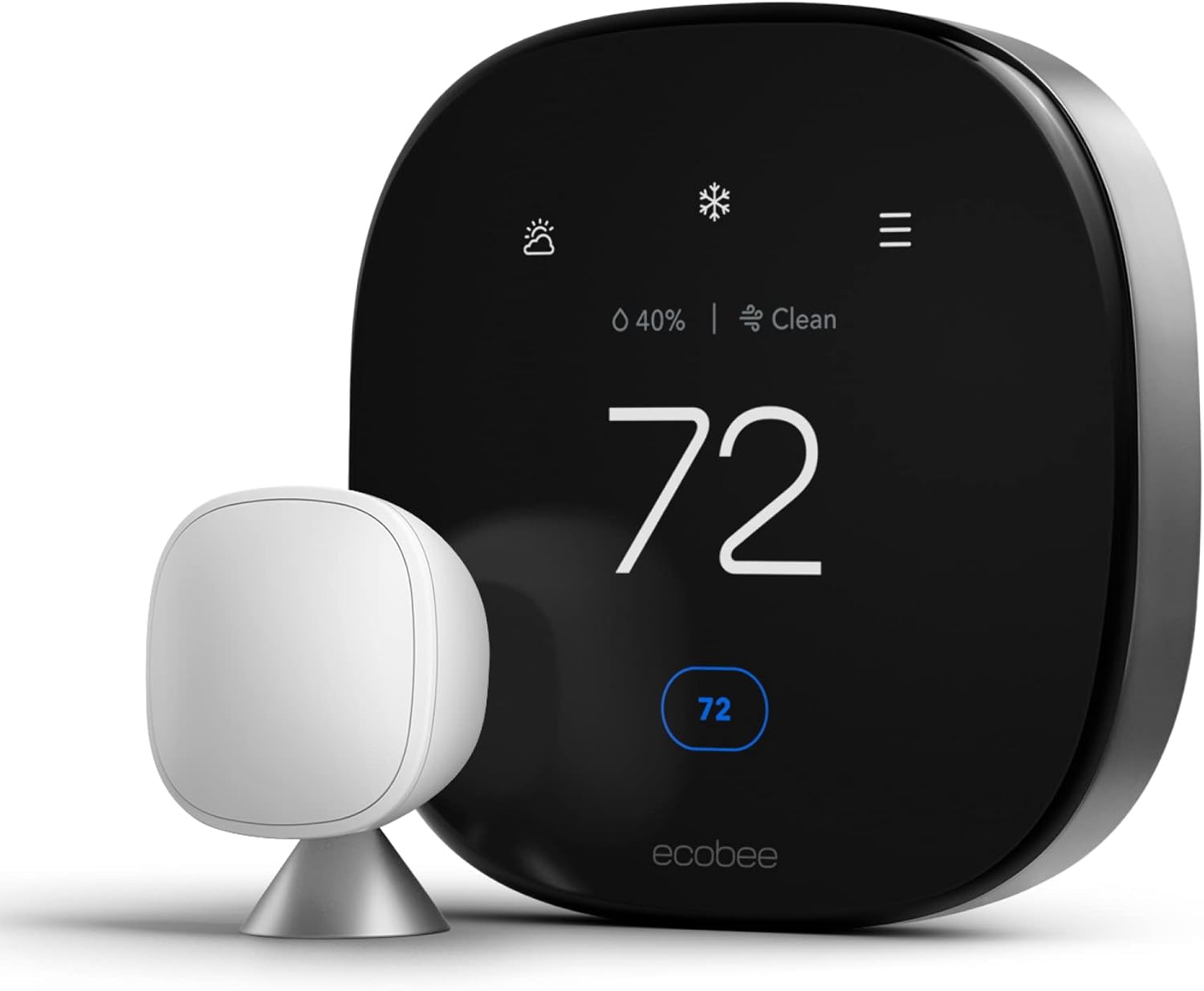
Both thermostats also support the Home/Away feature concept — using occupancy detection or schedule-based setbacks to reduce heating when the home is empty. However, unlike thermostats with built-in occupancy sensors like the Ecobee Premium, neither Mysa nor Sinopé include physical occupancy detection in the thermostat body; they rely on phone GPS for geofencing or time-based scheduling to determine occupancy.
Energy Charting and Usage Tracking
Since baseboard heating is expensive — often 2-3 times the cost per million BTU compared to natural gas — tracking usage is not just interesting, it is financially important. Understanding where your heating budget goes helps you make informed decisions about insulation upgrades, window replacements, or behavioral changes. As covered in our analysis of how a smart thermostat saves money, the visibility into usage patterns is often as valuable as the automated setbacks.
Sinopé is the clear leader in data granularity. Its “Éco Sinopé” feature (particularly relevant in Quebec, where Hydro-Québec offers dynamic pricing) integrates with utility rate structures to pre-heat your home before peak electricity rates take effect, then reduce consumption during the high-rate window. This is essentially automated energy arbitrage — storing heat in your home’s thermal mass when electricity is cheap and coasting through the expensive period. For users outside Quebec, the detailed wattage and runtime data still provide the most granular energy tracking available in a line-voltage thermostat.
Mysa offers clean, well-designed energy charts that show daily and monthly usage in kilowatt-hours, with cost estimates if you input your local electricity rate. For the average homeowner who wants to see whether their heating bill is reasonable without diving into spreadsheets, Mysa’s energy reporting is more than sufficient. It prioritizes clarity over exhaustive detail.
Adaptive Learning and Schedule Optimization
Unlike premium central thermostats like the Nest Learning Thermostat, which use machine learning to discover your schedule automatically, neither Mysa nor Sinopé currently offer true adaptive learning that builds a schedule by observing your manual adjustments. Both brands use traditional scheduling — you create a weekly timetable with temperature targets for each period. However, both implement this scheduling well, with intuitive app interfaces for setting up daily patterns and copying schedules across multiple thermostats. For homes with 5+ zones, Sinopé’s Neviweb platform provides more powerful schedule management tools, including the ability to group thermostats and apply a schedule to a group in one operation.
Installation: Wiring, Load Limits, and Safety
Warning: Unlike low-voltage thermostat comparisons such as Honeywell vs Nest, Mysa and Sinopé handle 120V or 240V directly from your electrical panel. This voltage can cause serious injury or death. If you are not comfortable working inside electrical gang boxes with a non-contact voltage tester to verify circuits are fully de-energized at the breaker, hire a licensed electrician.
Wiring Compatibility: The Neutral Wire Question
Most line-voltage smart thermostats require 4 wires in the gang box: two Line wires (L1 and L2, providing 240V power to the thermostat’s electronics) and two Load wires (going to the heater). The critical requirement is that the thermostat needs a complete circuit to power its Wi-Fi radio or Zigbee transceiver, microprocessor, and display — none of which existed in the mechanical thermostats they replace.
- Mysa V2: Has become more compact and easier to fit in the box (40% smaller than the V1). It requires the full 4-wire connection. The smaller housing is a genuine installation advantage in older homes where gang boxes are shallow or crowded.
- Sinopé: Requires similar 4-wire connections for its standard models. However, Sinopé offers a specialized 2-wire version (TH1124) for older installations where only a switch loop exists (two wires — hot and switched hot — with no neutral). This 2-wire model has limitations: it works only with purely resistive loads (baseboard heaters and fan-forced heaters with simple motors), not with inductive loads, and may have restrictions on minimum load wattage.
Always check your gang box wiring before purchasing. If you see only two wires (usually black and red, or black and white that have been re-identified as hot), your options are limited. You might need an electrician to pull a neutral wire, or you may need to seek out the specific Sinopé 2-wire model. Our thermostat wiring guide covers wire identification, color conventions, and safety procedures applicable to both voltage types.
Load Limits and Heater Compatibility
Both Mysa and Sinopé thermostats are rated for resistive heating loads — standard electric baseboards, fan-forced wall heaters, and electric radiant floor heating systems (with appropriate configuration). The maximum load ratings are similar: Mysa V2 handles up to 3,800 watts at 240V (approximately 16 amps), while Sinopé models typically handle 4,000 watts (16.7 amps). For most residential baseboard heaters — which are commonly sized between 500 and 2,000 watts per room — these limits provide ample headroom.
For larger heaters or situations where multiple heaters are wired to a single thermostat (common in open-plan living areas), verify that the combined wattage of all connected heaters does not exceed the thermostat’s rating. Exceeding the rating will cause the thermostat’s internal relay or TRIAC to overheat and fail, potentially creating a fire hazard. When in doubt, consult an electrician to measure the actual load and confirm compatibility. For electric radiant floor systems specifically, additional considerations apply — our best thermostats for electric radiant floors guide covers GFCI requirements, floor sensor integration, and the unique control challenges of high-mass floor heating.
Installation Cost Considerations
Professional installation of a line-voltage thermostat typically costs $100-200 per unit depending on local electrician rates and the complexity of the existing wiring. For a home with 6 baseboard thermostats, the total installation cost could range from $600 to $1,200 — enough to meaningfully affect the total project budget. This is a cost that does not exist in low-voltage thermostat upgrades, which are typically DIY-friendly. For homeowners considering whether the upgrade is worth the total installed cost, our are Wi-Fi thermostats worth it analysis covers payback periods for different heating fuels and climate zones.
Energy Savings Potential: How Much Can You Really Save?
Electric resistance heating is the most expensive common heating fuel in North America, with operating costs typically 2-3 times higher per million BTU than natural gas. This makes the savings from smart thermostat features — scheduling, geofencing, and precise temperature control — proportionally larger for electrically heated homes than for gas-heated homes. A 10% reduction in electric heating consumption saves more dollars than a 10% reduction in gas heating consumption.
The Savings Mechanisms
Both Mysa and Sinopé thermostats generate savings through the same core mechanisms that apply to all smart and programmable thermostats:
- Nighttime setback: Reducing the temperature by 7-10°F for 8 hours during sleep. For electric heating, every degree of setback for 8 hours daily saves approximately 1% of annual heating energy. A 7°F setback saves roughly 7%.
- Away setback via geofencing: Automatically reducing heat when the home is unoccupied during the day. The savings depend on household occupancy patterns — a home that sits empty for 8-10 hours on weekdays saves substantially more than a home with a stay-at-home parent or remote worker.
- Precision control via PID: By eliminating the temperature overshoot inherent in mechanical thermostats, PID control reduces the average room temperature by approximately 1-2°F without any change in setpoint. That 1-2°F reduction translates to 1-3% energy savings with no comfort sacrifice.
- Zone-specific optimization: Unlike central systems where one thermostat controls the entire house, electrically heated homes have independent thermostats per room. This enables aggressive setbacks in rarely-used rooms (guest bedrooms, storage areas, basements) while maintaining comfort in occupied spaces — a zoning advantage that central system owners pay thousands to achieve through ductwork modifications.
For real-world data on the savings achievable through these mechanisms, our investigation into whether smart thermostats really save money examines utility bills from actual households before and after upgrades. The companion piece on how smart thermostats save money explains each mechanism in greater technical detail.
Sinopé’s Éco Sinopé Advantage
For Quebec residents and others served by utilities with dynamic or time-of-use pricing, Sinopé’s Éco Sinopé feature provides a savings mechanism that Mysa cannot currently match. Éco Sinopé integrates with Hydro-Québec’s dynamic pricing program to pre-heat the home during low-rate periods and curtail consumption during high-rate peak events. During winter peak events (typically cold weekday mornings and evenings when demand is highest), the system automatically reduces heating load across all connected thermostats, shifting consumption to off-peak hours when electricity is cheaper. Users report savings of 10-15% on their heating bills through this automated rate arbitrage, though results vary with home insulation, thermostat count, and willingness to accept brief temperature reductions during peak events.
Rebate Eligibility
Both Mysa and Sinopé smart thermostats are Energy Star certified and qualify for utility rebate programs in many service territories. Rebates for smart thermostats typically range from $25 to $100 per unit, which can significantly reduce the effective purchase price — particularly meaningful when buying 5+ units. Our 2026 smart thermostat rebates guide with savings calculator lists current programs by state and province, updated as programs change seasonally.
Optimizing Seasonal Settings
Once your Mysa or Sinopé thermostats are installed, the schedule you program determines the majority of your savings. For electric baseboard heating, the Department of Energy’s recommended winter setting of 68°F when home and awake, with setbacks to 58-60°F during sleep, applies directly. Our recommended thermostat settings for winter guide covers zone-by-zone recommendations, and our ideal room temperature for sleeping analysis provides the research basis for the 65-68°F sleep temperature recommendation. For extended absences, our guide to thermostat settings for winter vacation balances energy savings against pipe-freeze prevention — a concern in electrically heated homes in cold climates where a prolonged power or equipment failure could lead to frozen plumbing.
Smart Home Ecosystem Integration
Both Mysa and Sinopé integrate with the major smart home platforms, but their integration depth and philosophy differ in ways that matter for daily use.
Voice Assistants and Routines
Both brands work with Amazon Alexa and Google Assistant for voice control. You can say “Alexa, set the bedroom to 68 degrees” or include thermostats in routines (“Alexa, goodnight” lowers all bedroom thermostats to 62°F). Both also support Apple HomeKit natively, enabling Siri voice control and Apple Home automations — a feature absent from Google Nest thermostats and only partially available on some competitors. For Apple-centric households, this HomeKit compatibility is a significant advantage.
Hub Integration for Power Users
This is where Sinopé pulls ahead for technically inclined homeowners. The Zigbee line of Sinopé thermostats integrates directly with Samsung SmartThings, Hubitat, and Home Assistant without going through a manufacturer cloud service. This means local control — commands execute within your home network without a round-trip to Sinopé’s servers — which provides lower latency, continued operation during internet outages (for schedule changes and automations), and independence from the manufacturer’s cloud service availability.
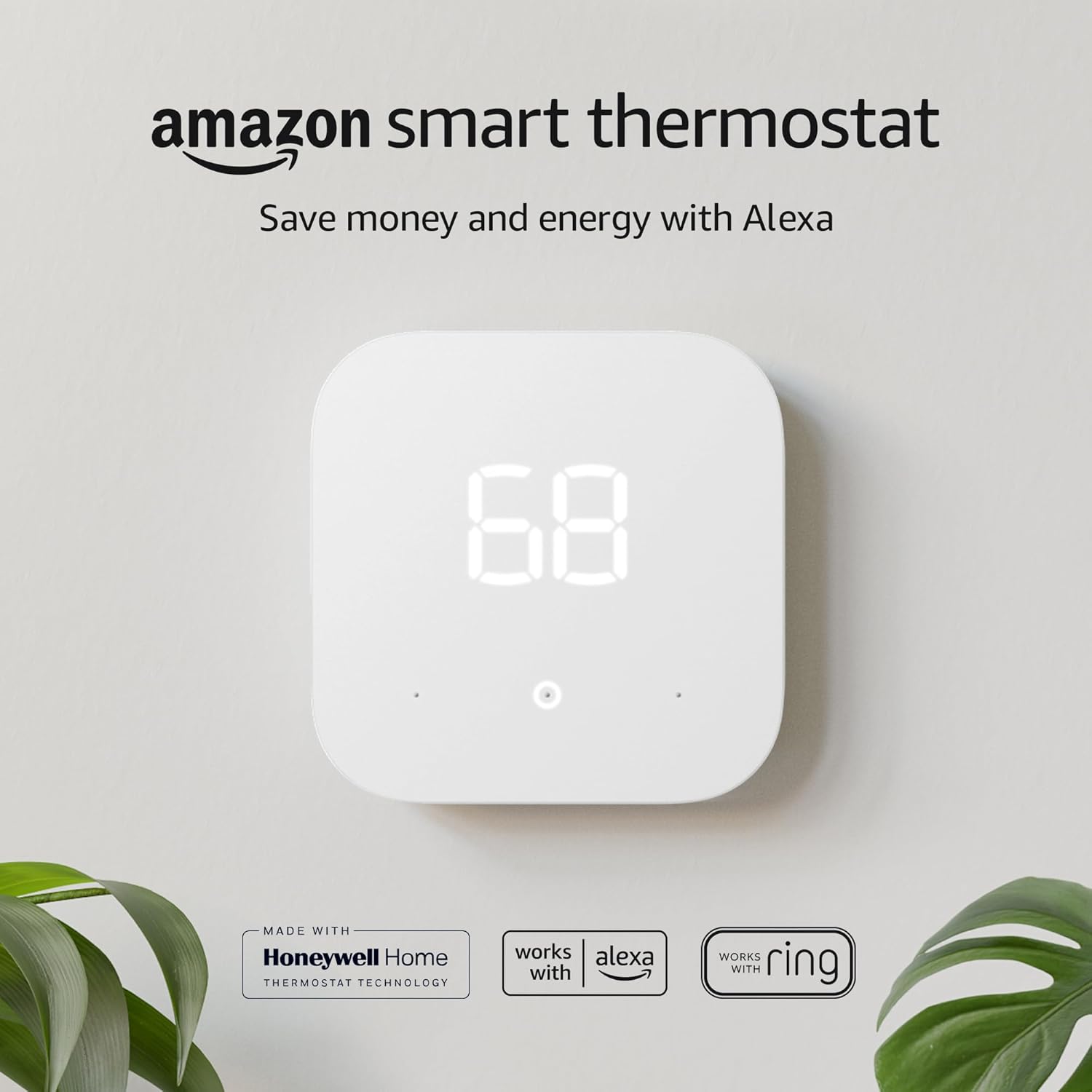
Mysa’s Wi-Fi-only architecture means all commands go through Mysa’s cloud servers. This works reliably for most users, but it does introduce a dependency: if Mysa’s servers are down or if your internet connection is interrupted, remote control and automations stop working. The thermostat continues to run its stored schedule locally, so heating is not interrupted. For comparisons of cloud-dependent vs. local-control architectures across thermostat brands, our Ecobee vs Honeywell comparison and Google Nest vs Amazon Smart Thermostat comparison both address this architectural question.
Whole-Home Ecosystem: Beyond Thermostats
Sinopé’s broader product line — including smart light switches, water leak detectors, and load controllers — means homeowners committed to a single-vendor smart home strategy can manage lighting, heating, and water safety from one app (Neviweb). Mysa’s focus on thermal comfort alone means its app does one thing and does it well, but you will need another platform for lighting, security, and other smart home categories. Neither approach is inherently better; the right choice depends on whether you prefer a best-in-class thermal app (Mysa) or a unified whole-home platform (Sinopé).
Pros & Cons Breakdown
Mysa Pros
- ✅ Stunning, modern design that blends into contemporary decor.
- ✅ Excellent, user-friendly app purpose-built for thermal comfort.
- ✅ No hub required — direct Wi-Fi connection.
- ✅ Native HomeKit support out of the box.
- ✅ Mysa for AC and In-Floor creates a unified app experience across heating and cooling.
- ✅ Silent TRIAC switching — no audible relay clicks.
- ✅ 40% smaller housing than V1, easier to fit in crowded gang boxes.
Mysa Cons
- ❌ Large faceplate might not fit tight corners or narrow wall sections.
- ❌ LED dot-matrix display shows less information than LCD screens.
- ❌ Wi-Fi only (no Zigbee/Z-Wave/Thread options) — scaling to many zones may congest your router.
- ❌ Cloud-dependent — internet outage disables remote control and automations.
- ❌ No physical buttons — guests may find the touch interface confusing.
Sinopé Pros
- ✅ Offers Zigbee models — superior for large homes and hub-centric automation.
- ✅ Detailed LCD screen with outdoor temperature and real-time wattage display.
- ✅ Physical buttons — better for guests, elderly users, and tactile interaction.
- ✅ Wider ecosystem (water leak detectors, lighting, load controllers) for single-vendor smart home.
- ✅ Advanced energy management with Éco Sinopé dynamic pricing integration.
- ✅ Choice of Wi-Fi or Zigbee to match your networking preference.
- ✅ 2-wire model available for older installations without neutral.
Sinopé Cons
- ❌ Industrial/utilitarian design may not suit modern minimalist decor.
- ❌ Zigbee models require a hub — additional cost and setup complexity.
- ❌ Neviweb app is functional but feels more utilitarian than polished.
- ❌ Mechanical relay produces an audible click when switching — noticeable in quiet bedrooms.
- ❌ Geofencing requires third-party integration (HomeKit) rather than being natively built into the app.
Are There Other Alternatives?
While Mysa and Sinopé dominate the line-voltage smart thermostat market, several alternatives exist for specific applications or budget constraints.
Other Line-Voltage Smart Thermostats
- Stelpro Maestro: A Zigbee-based line-voltage thermostat that integrates with the same Zigbee hubs as Sinopé (SmartThings, Hubitat). Stelpro is a well-established heating manufacturer, and their Maestro thermostat is competent but less feature-rich in its app experience than either Mysa or Sinopé. It is most commonly encountered in Canadian homes where Stelpro baseboard heaters are installed.
- King Electric: Offers Wi-Fi line-voltage thermostats with a simpler feature set at a lower price point. Their app is basic compared to Mysa or Sinopé, but for budget-conscious projects, they provide smart scheduling and remote control at a discount. Build quality and design are more utilitarian.
For Those Who Do Not Need Smart Features
If all you want is a programmable schedule without Wi-Fi connectivity, electronic programmable line-voltage thermostats from brands like Honeywell and Aube (a Honeywell subsidiary specializing in electric heating controls) provide 7-day scheduling with digital displays at roughly half the cost of a smart thermostat. They lack remote control, geofencing, and energy reporting, but they execute setback schedules reliably and eliminate the temperature swings of mechanical thermostats. For rental properties or secondary spaces where smart features are unnecessary, these are cost-effective alternatives. Our smart vs programmable thermostats comparison covers the feature and savings differences in detail.
For Central HVAC Systems (Low Voltage)
If you are looking for low-voltage solutions for a different part of your home that has a central furnace or heat pump, the options expand dramatically. Check our guides on Ecobee vs Wyze for budget smart options, Honeywell vs Emerson for mid-range reliability, Ecobee Premium review for premium features with air quality monitoring, or our best smart thermostat for energy savings guide for efficiency-focused recommendations across all price points.
Frequently Asked Questions
Do these thermostats work with fan-forced heaters?
Yes, both Mysa and Sinopé have specific settings for fan-forced heaters. You must enable this in the thermostat’s configuration menu to prevent the heater from short-cycling, which can damage the fan motor. The fan-forced setting adjusts the minimum cycle time to ensure the fan has adequate time to dissipate residual heat before the thermostat cycles off.
Can I control multiple heaters with one thermostat?
Yes, as long as the total combined wattage of all connected heaters does not exceed the thermostat’s maximum load rating (typically 3,800-4,000 watts at 240V). The heaters must be wired in parallel, not series. This is commonly done in open-plan living areas where multiple baseboard units serve one large space. For safety and code compliance, have an electrician verify the total load and wire gauge before connecting multiple heaters to a single thermostat. For general thermostat installation safety guidance, see our thermostat installation and setup guide.
What happens if the Wi-Fi goes down?
Both Mysa and Sinopé thermostats continue operating as standard programmable thermostats during Wi-Fi or internet outages. They execute the last stored schedule from local memory and respond to physical button presses (Sinopé) or touch input (Mysa) on the device itself. You lose app-based remote control, geofencing, voice commands, and energy data updates during the outage, but heating control continues uninterrupted. When connectivity is restored, the thermostat reconnects automatically and resumes normal smart operation.
Which is better for a vacation home?
Both are excellent for remote monitoring — you can check the temperature from anywhere to confirm the heat is running and prevent frozen pipes. If the internet connection at the cabin is unreliable, Sinopé’s Zigbee version paired with a locally controlled hub (Hubitat or Home Assistant) provides more robust local automation because the hub can manage the thermostat without internet access. Mysa relies entirely on cloud connectivity for remote access, so an internet outage at the vacation property disables remote monitoring until connectivity returns. For winter vacation settings that prevent pipe freezing while minimizing energy consumption, our vacation thermostat settings guide recommends specific temperature targets based on climate zone and home insulation.
Do Mysa or Sinopé thermostats require a C-wire?
No. The C-wire concept applies only to low-voltage (24V) thermostat systems. Mysa and Sinopé are line-voltage (120V/240V) thermostats. They are powered directly by the mains voltage that also powers the heaters. They do require a complete circuit — typically 4 wires in the gang box — to provide power to their electronics, but this is completely different from the low-voltage C-wire requirement discussed in guides about central HVAC thermostats. For an explanation of how battery-powered thermostats work in the low-voltage world (which does not apply to these line-voltage units), our battery-powered smart thermostat guide covers that alternative power architecture.
Can I use Mysa or Sinopé with a heat pump?
No. Mysa and Sinopé line-voltage thermostats are designed exclusively for electric resistance heating — baseboard heaters, fan-forced wall heaters, and electric radiant floor systems. Heat pumps (air-source or ground-source) and central furnaces use 24V low-voltage control systems and require entirely different thermostats. For heat pump thermostat recommendations, see our best thermostats for Bosch heat pumps guide or our comparison of popular smart thermostat brands for central HVAC. Mysa does manufacture a separate product for mini-split heat pumps, but this is a different product line from their baseboard thermostat and is not interchangeable.
How do I reset my Mysa or Sinopé thermostat if it malfunctions?
Both brands include a factory reset option in their settings menus. For Mysa, navigate to Settings > About > Factory Reset on the device. For Sinopé, the reset procedure varies by model but typically involves holding a button combination during power-up. Performing a factory reset erases all Wi-Fi credentials, schedules, and preferences, returning the thermostat to out-of-box configuration. If the thermostat is displaying incorrect temperatures, check first for placement issues (drafts, direct sun, nearby electronics) before resetting — our guide on why a thermostat shows wrong room temperature covers diagnostic steps for inaccurate readings. For broader troubleshooting, our how to reset any thermostat guide covers procedures across all major brands.
Final Verdict: Which One Should You Buy?
In the Mysa vs Sinopé showdown, there is no universal winner — only a better fit for your specific needs, home size, and technical preferences. Both brands represent dramatic improvements over mechanical line-voltage thermostats, delivering precise temperature control, energy savings, and smart home integration that were unavailable to electrically heated homes just a few years ago.
Choose Mysa If:
- You prioritize aesthetics and want a device that looks modern, sleek, and blends into contemporary decor.
- You use Apple HomeKit heavily and want the easiest, most native HomeKit experience.
- You do not want to buy a separate hub — direct Wi-Fi is your preference.
- You want a simple, beautifully designed, unified app for baseboards, AC, and heated floors.
- Silent operation matters to you — the TRIAC switching has no audible click.
- You have a smaller number of zones (3-5) where Wi-Fi congestion is not a concern.
Choose Sinopé If:
- You have a SmartThings, Hubitat, or Home Assistant setup — get the Zigbee version for local control and mesh networking.
- You prefer physical buttons and a screen that shows detailed data at a glance without opening an app.
- You want to expand your smart home into leak detection, lighting control, and load management with the same brand ecosystem.
- You live in an area with time-of-use or dynamic electricity rates and want automated rate optimization.
- You have many heating zones (6+) where Zigbee mesh networking scales better than Wi-Fi.
- You have an older home with 2-wire thermostat loops that cannot easily be upgraded to 4-wire.
Whichever you choose, moving from a manual dial thermostat to a smart thermostat is one of the best energy savings upgrades you can make for an electrically heated home. The combination of setback scheduling, geofencing, and PID precision control typically reduces heating costs by 10-20% while dramatically improving comfort by eliminating the temperature swings inherent in mechanical thermostats. In an era of rising electricity rates, that is an investment that pays for itself surprisingly quickly — and makes your home more comfortable every day in the process.




 Home
Home
 Info
Info
 Compare
 Reviews
 Shop
Shop