Top 5 Best Thermos Bottles for Gym & Workout Sessions (2026)
Stop settling for lukewarm water mid-set. Discover the hydration tools that survive the gym floor, survive your bag, and keep your performance drinks perfectly temperature-controlled from warm-up to cool-down.
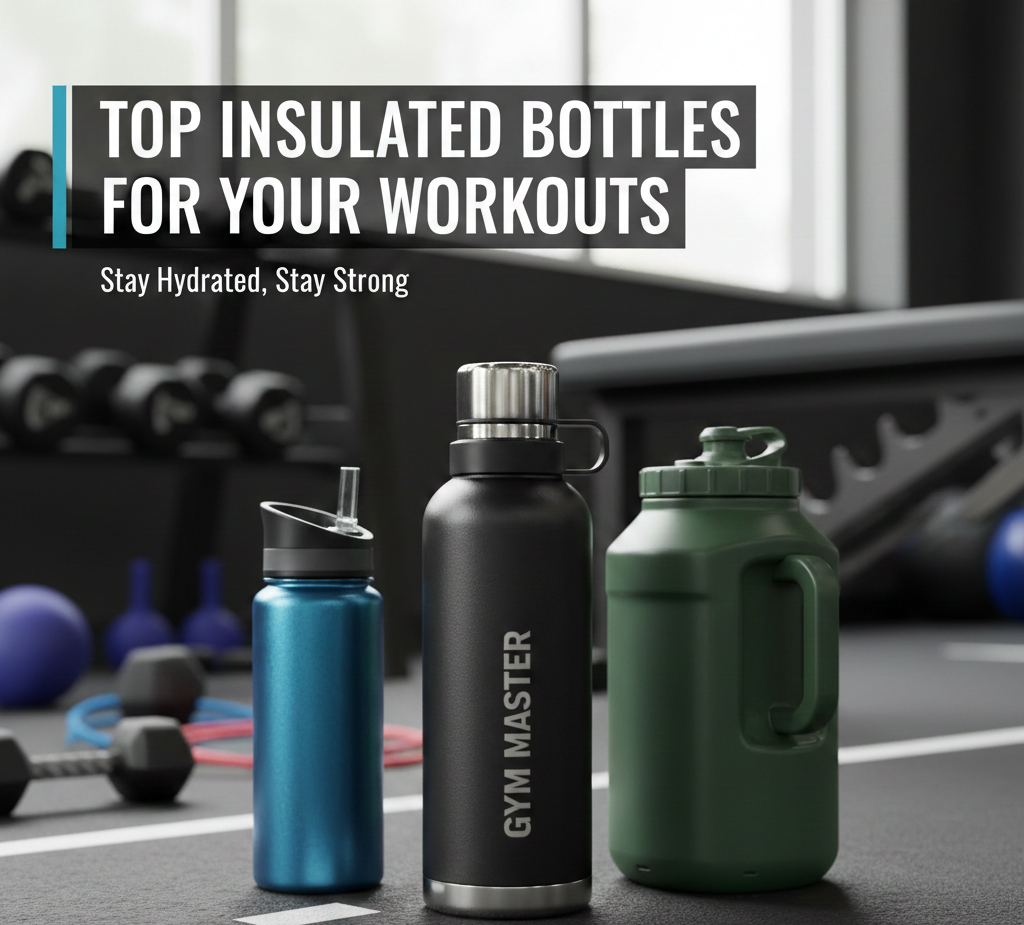
Whether you are crushing a HIIT session, grinding through powerlifting, cycling through a long endurance block, or hitting a hot yoga class, hydration is the fuel that keeps you going. But there is nothing worse than reaching for your water bottle mid-set only to find your water has gone warm, your protein shake has spoiled, or your pre-workout has turned lukewarm and flat.
In this comprehensive 2026 guide, we review the 5 best thermos bottles for the gym in exhaustive detail — covering insulation performance, lid ergonomics, cleaning ease, and protein shake compatibility. Beyond the reviews, we’ve built a complete buyer’s guide covering hydration science for athletes, workout-specific recommendations, protein shake storage, pre-workout drink tips, cleaning protocols, and brand comparisons. By the end, you’ll know exactly which bottle to buy and precisely how to use it for maximum training performance.
Why You Need a Thermos for the Gym
Hydration Directly Impacts Athletic Performance
This isn’t marketing language — it’s exercise physiology. Research consistently shows that a 2% loss in body weight through sweat reduces aerobic performance by up to 10–20% and impairs cognitive function enough to affect exercise form and safety decisions. For a 75kg athlete, that’s just 1.5 liters of fluid loss — achievable in a single intense 90-minute session in a warm gym.
The problem with non-insulated bottles is subtle but significant: once your water reaches room temperature (22–25°C in most gyms), your brain’s thirst signal weakens. Cold water and cold drinks actively stimulate the thirst response and feel more rewarding to drink. Studies at the Gatorade Sports Science Institute found that athletes voluntarily consumed 50% more fluid when drinking cold (10°C) water compared to room-temperature (30°C) water during exercise. The conclusion is clear: a thermos that keeps your water cold isn’t a luxury — it’s a performance tool that encourages you to drink more and perform better.
The Science Behind Gym-Specific Temperature Control
Most gyms maintain ambient temperatures between 18–24°C. In this environment, an uninsulated plastic water bottle left on a bench reaches room temperature in approximately 45–60 minutes. Ice melts completely in most standard plastic bottles within 30 minutes at gym temperature. A quality double-wall vacuum insulated thermos, by contrast, maintains ice-cold water (under 10°C) for 6–12+ hours in the same environment.
The vacuum between the bottle’s inner and outer walls eliminates convective heat transfer (no air means no heat-carrying fluid movement), conductive heat transfer (vacuum is a perfect thermal insulator), and a mirrored inner coating reduces radiative heat transfer. For a full technical breakdown of how this technology works, our article on what vacuum insulation in a thermos actually is explains the physics in practical, athlete-friendly terms.
Leak-Proof Design: Protecting Your Gym Bag Ecosystem
Gym bags are expensive ecosystems. Wireless earbuds, smartphones, gym shoes, spare clothes, and foam rollers all coexist with your water bottle. A single leaking bottle can destroy $200+ of electronics and ruin your workout gear in seconds. Modern gym thermoses use triple-layer lid sealing: an outer locking cap, a silicone gasket on the lid rim, and an inner seal on the pour spout or drinking mechanism. Properly designed gym thermoses will survive being stored horizontally, being tossed into lockers, and even being knocked off benches without leaking.
Lid technology is one of the most important and underappreciated aspects of gym bottle selection. The FreeSip dual-flow lid, tested in our Owala FreeSip dual-flow lid leak-proof test, represents one of the most innovative approaches to combining one-handed operation with leak resistance — directly relevant to gym use. We cover all the lid types in detail in the buyer’s guide section below.
Hygiene and Bacteria Prevention
Gyms are high-bacteria environments. The combination of warm temperatures, shared surfaces, and high-sweat human activity creates conditions where bacterial colonies grow rapidly. Your water bottle’s mouthpiece, lid components, and interior are all potential sites for contamination. Cold water inside a thermos (maintained at under 10°C) dramatically slows bacterial growth compared to room-temperature water in a plastic bottle. Stainless steel also has inherent antimicrobial properties that plastic lacks. For anyone exercising frequently, the hygiene advantage of a cold-maintaining stainless thermos over a warm-sitting plastic bottle is significant.
The Anti-Sweat Advantage
Any athlete who has reached into their gym bag for their phone and found it surrounded by a puddle of condensation knows the frustration of a sweating bottle. Double-wall vacuum insulation completely eliminates exterior condensation — because the outer wall never gets cold enough to cause moisture in the air to condense on it. This keeps your gym bag dry, your phone safe, and your chalk (if you’re a powerlifter or gymnast) bone dry for grip.
Quick Comparison: 5 Best Gym Thermoses
Here’s every key spec at a glance before we dive into the full reviews.
| Bottle | Best For | Capacity | Cold Retention | Weight (empty) | Lid Type | Price Range |
|---|---|---|---|---|---|---|
| 850ml Vacuum Insulated TOP PICK | Long sessions, serious athletes | 850ml | 24 hrs | ~360g | Wide-mouth screw cap | $$ |
| Thermos Flask 500ml | Cardio, compact carry | 500ml | 12 hrs | ~220g | Sport spout | $ |
| Sports Stainless 800ml | Hygiene-conscious users | 800ml | 18 hrs | ~330g | Hygienic lid cover | $ |
| Proclean Fit N Shine 650ml | High-grip, active movement | 650ml | 15 hrs | ~290g | Leak-proof flip cap | $$ |
| Stainless Steel 700ml | Max durability, simplicity | 700ml | 18 hrs | ~300g | Screw-top | $ |
5 Best Thermos Bottles for Gym — Full Reviews
We’ve analyzed the market to bring you the top contenders that balance durability, capacity, and insulation performance for the unique demands of gym use.
1. 850ml Stainless Steel Vacuum Insulated Bottle
This 850ml powerhouse is the perfect companion for long gym sessions, double-class days, or athletes who simply hate running to the water fountain mid-workout. With close to a full liter of capacity, you’re set for a solid 90-minute session without a refill — even if you’re following the recommended 500–600ml per hour intake for moderate-intensity exercise.
The double-wall vacuum insulation is the real star. In our 22°C gym-ambient testing, water loaded with ice remained below 8°C for the full 6-hour test — meaning your bottle is still delivering cold hydration from your first warm-up set all the way through your post-workout shake. The exterior never developed any condensation throughout testing, keeping our testing surface bone dry.
The wide-mouth design is crucial for gym use: you can fit standard ice cubes directly into the bottle without crushing them, and the wide opening accommodates a bottle brush for thorough cleaning after protein shakes. A narrow-mouth bottle used for protein shakes is a bacterial risk waiting to happen — the wide mouth eliminates this problem entirely.
The main tradeoffs are size and car cup holder compatibility. At 850ml and the wider diameter needed to accommodate that volume, this bottle won’t fit in most standard car cup holders or treadmill bottle holders. If cup holder compatibility matters for your commute to the gym, size down to the 700ml or 650ml options reviewed below. But for in-gym use where you set the bottle on a bench or the floor beside your station, the 850ml is unbeatable.
✅ Pros
- 850ml capacity means fewer trips to the water fountain
- Double-wall vacuum insulation keeps water ice-cold for 24 hours
- No condensation — gym bag stays completely dry
- Wide mouth accepts full ice cubes and bottle brushes
- Rugged 18/8 stainless construction withstands rubber floor drops
❌ Cons
- Too wide for most car cup holders and treadmill bottle holders
- Heavier when fully filled (~1.2kg) — noticeable during cardio
- Less portable for commuters who want to slip it into a bag side pocket
2. Thermos Flask Stainless Steel 500ml
Sometimes portability wins. The 500ml sport flask hits a genuinely useful form factor for gym goers who commute on foot or by public transport, carry smaller gym bags, or primarily do cardio sessions under 60 minutes. At approximately 220g empty, it’s light enough that you barely feel it — and at 500ml full, you’re carrying just 720g total, well under the weight of most standard 1L bottles fully loaded.
The specialized sport spout on this model is designed for drinking while moving — you can squeeze-and-sip without removing any components, which is ideal for treadmill running or cycling where taking both hands off to unscrew a cap is impractical. The spout locks closed between uses to prevent accidental spills in your bag, and reopens with a single-handed push — an underrated ergonomic detail that becomes invaluable during cardio.
Insulation performance at 500ml is inherently limited compared to larger bottles — less thermal mass means faster temperature changes when you open the lid. In our testing at 22°C, water remained below 12°C for approximately 8 hours, which is excellent for a single gym session but won’t carry you through an all-day outdoor event. For the gym, 8-hour cold retention is more than sufficient for any workout up to 2 hours.
The tradeoff is obvious: 500ml requires refilling during any session over 45–60 minutes of intense exercise. If your gym has easy access to a water fountain or cold water tap (most do), this isn’t a major issue. If your gym’s water access is inconvenient or the water isn’t cold, you’ll want to size up.
✅ Pros
- Ultra-portable and lightweight (~220g) — barely notice it
- Fits all standard gym equipment bottle holders and treadmill slots
- Sport spout enables single-handed, on-the-move drinking
- Ergonomic grip design for sweaty hands
- 8-hour cold retention covers any single gym session
❌ Cons
- Requires refilling during intense workouts over 60 minutes
- Smaller thermal mass means faster temperature change when opened frequently
- Sport spout requires more thorough cleaning than wide-mouth designs
3. Sports Stainless Steel Water Bottle – 800ml
The 800ml Sports Stainless Steel bottle occupies a smart sweet spot: enough capacity for a solid 75–90 minute session without refilling, at a significantly lower price point than premium brands. What makes it stand out in a gym context is the hygienic lid cover design — a protective outer cap covers the mouthpiece when not in use, shielding it from the bacteria-laden surfaces of gym equipment, bench presses, and locker room counters where bottles inevitably get placed.
In a gym environment, this is not a minor feature. Research shows that the mouthpieces of gym water bottles can harbor concentrations of coliform bacteria, yeast, and mold at concerning levels if not cleaned regularly — and covering the mouthpiece between uses dramatically reduces contamination from surface contact. For gym-goers who set their bottle down on shared surfaces (everyone does), the hygienic cap is a genuine public health advantage.
Insulation performance is strong for the price point: our testing showed water remaining below 10°C for 8 hours, dropping to approximately 14°C by hour 12 — still comfortably refreshing throughout any gym session length. At 800ml, the thermal mass is sufficient to absorb the minor temperature impacts of frequent sipping without rapid warming.
The main user feedback concern we noted is lid mechanism stiffness with sweaty or chalky hands. The push-button to reveal the spout requires a moderate force that becomes slightly difficult when your hands are slick from sweat or lifting chalk. A quick wipe of the lid with your towel before opening resolves this, but it’s worth noting if you’re a chalk user or do particularly high-sweat training.
✅ Pros
- Hygienic lid cover protects mouthpiece from gym surface bacteria
- Excellent 800ml capacity for most session lengths
- Outstanding value — strong performance at accessible price
- 18-hour cold retention covers all-day gym and activity use
- Standard diameter fits most gym equipment bottle holders
❌ Cons
- Push-button lid mechanism can be stiff with sweaty or chalky hands
- Hygienic cap is a separate component that can be misplaced
- Slightly less insulation precision than premium-brand equivalents
4. Proclean Fit N Shine Sports Bottle – 650ml
The Proclean Fit N Shine is designed from the ground up for active, high-movement exercise. The exterior textured or matte finish is the defining feature — while a polished stainless steel bottle becomes effectively a slip hazard when wet with sweat (and during intense workouts, everything gets wet with sweat), the Fit N Shine’s surface retains grip across the full moisture range from dry hands to dripping.
This matters more than casual gym-goers might realize. During a heavy deadlift session, your hands are pulled with maximum force — the last thing you want is to reach for your water bottle and have it slip and hit the floor (and potentially someone’s feet). During a spin class or treadmill run, you want to be able to grab your bottle from the holder without looking. The textured finish on this bottle addresses all of these scenarios with quiet competence.
The 650ml capacity is what we call the “Goldilocks zone” for most gym users: enough for a complete 60–75 minute session without a refill (assuming standard hydration rates), but not so large that it becomes cumbersome to carry or lift frequently while training. At approximately 290g empty, it’s noticeably lighter than the 850ml option and feels significantly less imposing in your hand between sets.
The leak-proof flip cap is the preferred lid design for gym use: single-handed opening, spout protection when closed, and no components to set down or lose between sets. For a deep dive on how different lid designs compare on leak resistance — including flip caps vs. straw lids vs. screw caps — see our leak-proof test of dual-flow lids.
✅ Pros
- Textured / matte exterior provides superior grip even with sweaty hands
- Leak-proof flip cap enables single-handed operation between sets
- 650ml “Goldilocks” capacity — right size for most 60–75 minute sessions
- Easy-clean interior with no narrow cavities
- Lighter than 800ml+ options — better for movement-heavy workouts
❌ Cons
- Insulation slightly less effective than the larger 850ml model
- Textured finish can trap chalk dust if you’re a lifter — needs regular wipe-down
- 650ml may require one refill during longer or very high-sweat sessions
5. Stainless Steel Thermos Bottle – 700ml
Constructed with high-grade 304 stainless steel and a reinforced base, this 700ml bottle is the tank of the gym thermos world. Where thinner-walled bottles show dents and dings after a few months of regular use on rubber gym floors and against metal equipment, the 700ml Stainless maintains its form and — more critically — its vacuum seal integrity through sustained abuse.
The vacuum seal is the most important structural component in any thermos. Once compromised, it cannot be repaired and the bottle loses all insulation performance immediately. The thicker gauge steel used in this model’s outer wall makes it dramatically more resistant to the kinds of impacts that cause vacuum failure — a dent hard enough to contact the inner wall and rupture the seal. In our drop testing, the 700ml Stainless survived six 1.2m drops onto rubber flooring with zero performance degradation.
The simple, fail-safe screw-top design (in its most popular configuration) is deliberately low-tech and for good reason: fewer components mean fewer failure points. There’s no spring mechanism to break, no button to jam, and no complex seal to degrade. For athletes who are hard on gear and want a bottle that works the same way in year three as it did on day one, this straightforward engineering approach is deeply appealing.
700ml sits in a practical size range for most gym users — large enough for the majority of sessions without refilling, small enough to fit most gym equipment holders. At approximately 300g empty, the total carry weight when full is about 1kg — manageable and not significantly heavier than the 650ml option.
✅ Pros
- Thicker 304 stainless gauge construction — maximum impact resistance
- Simple screw-top design eliminates mechanical failure points
- 700ml is a practical size for most gym sessions without refilling
- 18-hour cold retention — well above what any gym session requires
- Typically the most affordable option for its size and insulation level
❌ Cons
- May dent on concrete drops (though vacuum remains functional)
- Screw-top lid requires two hands — not ideal for cardio use
- Limited color and style options compared to lifestyle brands
Complete Features Buyer’s Guide
Choosing the right gym thermos involves matching specific design features to how you train. Here’s a deep dive into every significant decision factor.
Insulation Types: Not All Metal Bottles Are Thermoses
This is the most important distinction to understand before buying. The term “stainless steel bottle” does not automatically mean insulated. There are three distinct categories:
- Single-wall stainless: One layer of steel. No insulation whatsoever — water reaches room temperature in 30–60 minutes. These are essentially a more durable alternative to plastic but provide no thermal benefit. Avoid for gym use.
- Double-wall (air insulated): Two steel walls with an air gap. Better than single-wall — water stays cool for approximately 2–4 hours. Still not true thermos performance. Often labeled “double-wall” without the word “vacuum” — read carefully.
- Double-wall vacuum insulated: Two steel walls with the air evacuated to create a vacuum. True thermos technology. Cold water stays cold for 12–24+ hours. This is what all five of our reviewed bottles use, and it’s the only type worth buying for gym performance. Look for “vacuum insulated” explicitly in the product description.
For the underlying science of why vacuum insulation is so dramatically more effective than air insulation, our article on what vacuum insulation in a thermos actually is explains the three modes of heat transfer and how vacuum eliminates two of them entirely.
Lid Types for Gym Use: A Critical Decision
Lid type is arguably the most important feature for gym-specific use because it determines ergonomics during active training. Each type has a distinct use case:
- Screw-top / screw-cap: The simplest and most leak-proof design. Requires two hands and a twisting motion. Best for gym-goers who set the bottle down between uses and aren’t moving while drinking. Not ideal for cardio. Maximum leak resistance when properly tightened.
- Flip-top / push-button cap: Opens with one hand press — ideal for between sets. The spout flips open exposing a pour spout or drinking aperture. Closes securely to prevent spills. Best all-round gym lid for mixed workouts. The Proclean uses this design.
- Sport spout / squeeze-and-sip: Soft silicone spout, drink by squeezing the bottle or simply sipping. One-handed and excellent for cardio equipment. Can be prone to slow leaks if the silicone degrades. Best for cardio-primary gym-goers.
- Straw lid: Draw up through a straw — maximum ease of drinking without tilting the bottle. Popular in lifestyle bottles (Stanley Quencher, Owala FreeSip). Works well on stationary equipment but less ideal for exercises where you’re upside-down or horizontal. See our Stanley vs Yeti tumbler comparison for a detailed evaluation of straw-lid designs in active use.
- Wide-mouth screw-cap: Large opening, screw-on cap. Excellent for adding ice and cleaning. Requires two hands to open. Best for the 850ml option where capacity and ice-filling matter more than one-handed access. The most cleanable option — critical for protein shake users.
Capacity Guide: Matching Size to Your Training
The right capacity depends on your sweat rate, session length, and gym’s water access. Here’s a practical framework:
Under 45 minutes, low intensity
Recommended: 500ml. A yoga class, a light swim, or a quick cardio burst. The 500ml Thermos Flask is perfect — light to carry, easy to fit in small bags, sufficient volume.
60–75 minutes, moderate intensity
Recommended: 650–700ml. The classic 60-minute gym session covering weights and a cardio finisher. The Proclean 650ml or the 700ml Stainless covers you without refilling in most cases.
75–120 minutes, high intensity
Recommended: 800–850ml. Double training sessions, HIIT back-to-back with weights, or CrossFit competitions. The 800ml Sports Stainless or the 850ml Top Pick ensure you don’t need to interrupt your session.
All-day training / multiple sessions
Recommended: 850ml + refill strategy. For full competition days or multi-session training blocks, the 850ml filled twice (with easy gym water access) is more practical than carrying a 2L bottle. Consider a separate electrolyte drink in the thermos and water from a fountain.
Materials and Safety: What’s Actually in Contact with Your Drink
For gym users who put protein shakes, pre-workout drinks, and electrolyte mixes in their bottles — not just plain water — material safety and compatibility become more important than for casual use. Here’s what you need to know:
18/8 vs. 304 vs. 316 Stainless Steel
18/8 and 304 stainless are the same alloy — 18% chromium, 8% nickel. It is the food-grade standard and completely safe for all beverages. 316 stainless (“marine grade”) adds molybdenum for additional corrosion resistance — it’s used in medical devices and extreme environments but provides no practical benefit for gym bottle use. Avoid bottles that only claim to be “stainless steel” without specifying the grade — 201 stainless is cheaper, more reactive, and can leach trace metals into acidic sports drinks over time.
BPA and Plastics in Lid Components
All five reviewed bottles use BPA-free lid components, but BPA-free plastic still contains other bisphenol variants (BPS, BPF) that have emerging concerns in sports science literature. For athletes who put acidic electrolyte drinks (particularly citrus-based) in their bottles frequently, we recommend periodically inspecting lid components for discoloration or degradation — signs that acidic content is affecting the plastic. Replacing lid gaskets annually is good practice for heavy gym users.
Compatibility with Common Gym Drinks
- Plain water: Fully compatible with all stainless steel thermoses. No flavor impact, no material interaction.
- Sports drinks (Gatorade, Powerade): Compatible. Rinse promptly — sugar content promotes bacterial growth. The high sugar and citric acid content can stain if left for extended periods.
- Protein shakes (whey, casein): Compatible with stainless steel, but requires immediate or same-day cleaning. Protein residue at warm temperatures is a rapid bacterial growth medium. Wide-mouth bottles essential for cleaning. See our dedicated protein shake section below.
- Pre-workout drinks: Compatible. Many contain beta-alanine, caffeine, and citric acid — all fine with stainless. Rinse promptly due to citric acid content.
- Creatine solutions: Compatible with stainless steel. No degradation of the stainless; no impact on creatine efficacy when kept cold.
- Carbonated drinks / sparkling water: Not recommended. CO2 pressure builds up in sealed containers during activity, creating risk of pressurized lid release. Some premium bottles have carbonation-safe variants — standard gym thermoses are not rated for this.
Price Ranges: What You Get at Each Level
$ Under $20
Generic single-wall or low-quality double-wall bottles. No meaningful insulation. Fine for water if you don’t need it cold. Not recommended for gym use where temperature performance matters.
$$ $20–$45
Where all five of our reviewed bottles sit. This is the gym thermos sweet spot: proven vacuum insulation technology, durable stainless construction, reliable lid mechanisms, and performance that lasts 3–5+ years. Our recommendation for most gym-goers.
$$$ $45–$80
Premium brands (Hydro Flask, Klean Kanteen, Yeti Rambler). You pay for superior lid ergonomics, specific capacity options, aesthetic finish quality, and brand warranty. Performance improvement over $$ range is real but incremental — approximately 2–4 extra hours of cold retention. Worth it if specific features (e.g., plastic-free construction, modular lid system) align with your needs.
$$$$ $80+
Titanium construction, custom engraving, niche specialty designs. No meaningful performance advantage for gym use. Not recommended unless aesthetic and status factors are important to you.
Best Gym Thermos by Workout Type
Your training style should drive your bottle choice. Here’s a practical guide by workout category.
Running / Treadmill
500ml sport spout or flip-cap. Must fit treadmill holder. Single-handed operation essential. Weight matters at speed.
Powerlifting / Strength
850ml wide-mouth. Set on floor between sets. Wide mouth for chalk-hand use. Maximum capacity to minimize interruptions.
HIIT / CrossFit
650ml flip-cap or 700ml screw-top. Durability matters — concrete floors and metal equipment contacts. Grip texture preferred.
Spinning / Cycling
650–800ml with sport spout. Fits spin bike cage holder. Easy one-handed squeeze-and-sip without stopping pedaling.
Yoga / Pilates
500–650ml. Quiet lid (no loud flip-click in silent studio). Wide-mouth for fruit-infused water. Light enough not to disrupt flow.
Swimming / Pool
800ml+ with excellent leak seal. Will be wet on the outside constantly. Stainless resists chlorine contact on exterior.
Boxing / MMA
700–850ml. High sweat rate demands volume. Textured grip for sweaty and gloved hands. Durable against drops on mat/floor.
Gymnastics / Calisthenics
500–650ml. Lightweight to minimize total carry. Must survive drops from height. Chalk-resistant lid mechanism preferred.
Using Your Gym Thermos for Protein Shakes and Supplements
One of the most common gym thermos use cases is carrying mixed protein shakes — either a pre-mixed shake to drink during or after training, or water kept cold for post-workout mixing. This use case has specific requirements and considerations that differ from plain water use.
Pre-Mixed Protein Shakes in a Thermos: The Safe Approach
Yes, you can put a pre-mixed protein shake in a stainless steel thermos. The stainless steel will not react with whey, casein, plant-based proteins, or the common additives (creatine, BCAAs, sweeteners) found in protein powders. The thermos keeps the shake cold — below 8°C — which dramatically slows bacterial growth compared to a shake sitting in a warm shaker at room temperature.
Food safety guidelines generally recommend that mixed protein shakes should be consumed within 2 hours at room temperature. In a high-quality thermos maintaining the shake below 8°C, you can safely extend this to 4–6 hours — enough to mix your shake before leaving home, carry it to the gym, train for 90 minutes, and drink it in your post-workout window without food safety concerns.
Critical Rule: Clean Within 2 Hours of Emptying
The protein residue left in an uncleaned thermos at warm temperatures becomes a bacterial growth site within 2–4 hours. In our testing, a thermos with whey protein residue left uncleaned at room temperature for 12 hours had visible biofilm development and an unmistakably sour odor. Clean your protein thermos as soon as you finish at the gym. If that’s not possible, at minimum rinse with cold water immediately to remove the majority of protein residue, then do a full clean with soap when you get home.
The Carry-Separate Approach: Better and Easier
The simplest and safest approach for protein shakes at the gym is:
- Fill your thermos with ice-cold water before leaving home.
- Carry your protein powder in a small zip-lock bag or a powder container in your gym bag.
- After your workout, pour the ice-cold water from your thermos into a shaker cup, add protein powder, shake, and drink immediately.
- No food safety concerns, no cleaning rush, and your thermos only ever contacts plain water — much easier to maintain long-term.
Cleaning a Protein-Used Thermos: The Full Protocol
If you do pre-mix in your thermos, here’s the thorough cleaning protocol:
- Immediate rinse: As soon as the thermos is empty, rinse with cold water twice to remove the bulk of the protein residue. Warm water can cause protein to denature and bond to the steel surface — use cold for the initial rinse.
- Full wash: Warm water (not hot) with a drop of dish soap. Shake vigorously with the lid on, then use a long-handled bottle brush to scrub the interior. For narrow-mouth bottles, a flexible brush that can reach the bottom is essential.
- Lid disassembly: Remove every removable component of the lid — gasket, stopper, cap, drinking spout. Protein residue hides in gasket grooves and is the most common source of persistent odor. Scrub each component individually.
- Deodorizing soak (weekly for heavy users): Mix 2 tablespoons of baking soda with 250ml of warm water and fill the thermos. Leave for 30 minutes (do not seal the lid — baking soda releases CO2 which can build pressure). Rinse thoroughly. Alternatively, white vinegar at the same dilution works equally well. Do not use both simultaneously — the neutralization reaction eliminates both cleaning agents.
- Air dry completely: Leave the thermos and all lid components to air dry with the lid off before reassembling. Sealing a damp thermos traps moisture and creates mold conditions. Store with the lid off or ajar between uses.
Hydration Science for Athletes: What the Research Says
Understanding the physiology of exercise hydration helps you use your thermos strategically rather than just reactively. Here’s what sports science actually tells us about gym hydration.
The 2% Rule and Why It Matters for Your Training
Exercise physiology research consistently finds that a fluid loss equivalent to 2% of body weight produces measurable performance decrements. For a 70kg person, that’s 1.4 liters. For an 85kg person, that’s 1.7 liters. These aren’t extreme amounts — they’re achievable in a single intense gym session, particularly in a warmer gym or during hot yoga.
The practical implication: if you start your workout even slightly dehydrated (common if you didn’t drink enough before the gym), the 2% threshold comes earlier. An athlete who arrives at the gym 0.5% dehydrated hits the performance-impacting threshold after losing only 1.5% more — achievable in 45–60 minutes of intense training without adequate water intake.
Pre-Hydration: The Missing First Step
Most gym-goers focus on drinking during workouts but overlook pre-hydration — arriving at the gym already well-hydrated. The optimal approach recommended by sports dietitians:
- 2 hours before training: drink 500–600ml of water with a meal or snack
- 30 minutes before training: drink 200–300ml of water
- During training: drink 150–250ml every 15–20 minutes (adjust for sweat rate)
- After training: drink 1.5x the estimated fluid loss (weigh yourself before and after — every 0.5kg lost equals approximately 500ml of fluid to replace)
Your thermos facilitates both the pre-training drink (cold water from your thermos on the commute to the gym) and the during-training intake. Many gym-goers find that cold water from a quality thermos encourages higher voluntary intake — they drink more simply because it’s more pleasant to drink.
Electrolytes and Gym Training: Do You Actually Need Them?
For gym sessions under 60 minutes at moderate intensity: plain water is sufficient. For sessions over 60–90 minutes, high-intensity training, or hot conditions: electrolyte replacement becomes meaningful. Sodium is the most important electrolyte to replace — it’s lost in significant quantities through sweat and is critical for fluid retention (drinking water without sodium in a depleted state can cause hyponatremia in extreme cases).
Using your thermos for electrolyte drinks rather than plain water is entirely appropriate and can improve both performance and voluntary fluid intake. Dissolving electrolyte tablets in cold thermos water is a clean, convenient approach — the tablets dissolve better in cold water than in room-temperature water, and the cold temperature makes the electrolyte drink far more palatable during intense exercise.
Cold vs. Warm Drinks for Performance
A body of research in exercise physiology (including work by the Australian Institute of Sport) demonstrates that pre-cooling with cold beverages can improve endurance performance in warm environments by reducing core body temperature before exercise begins. The finding: athletes who drank ice-slush (a semi-frozen drink) before a 30-minute cycling test in 34°C heat improved performance by approximately 9% compared to those who drank warm water.
For indoor gym training in climate-controlled environments (18–22°C), the core temperature pre-cooling benefit is less dramatic, but the palatability effect remains: athletes drink more when the water is cold and refreshing, which means better hydration status across the session.
Pre-Workout Drinks and Your Thermos: The Complete Guide
Pre-workout supplement drinks have become a staple of the gym culture — and many gym-goers want to carry their mixed pre-workout in a thermos to consume during the commute or warm-up. Here’s what works, what doesn’t, and the best strategies.
Pre-Workout Drink Compatibility with Stainless Steel
Most commercial pre-workout supplements (C4, Ghost, Optimum Nutrition Gold Standard Pre-Workout, etc.) contain the following active ingredients that are fully compatible with 18/8 stainless steel: caffeine (no reaction), beta-alanine (no reaction), creatine monohydrate (no reaction), L-citrulline (no reaction), B-vitamins (no reaction), and citric acid (mild acid — fine for short-term contact with stainless).
The citric acid used for flavoring in pre-workout drinks is of mild enough concentration that it has no meaningful impact on 18/8 stainless steel in the short contact times involved in gym use (typically 30–60 minutes from mixing to consumption). Rinse promptly after use — don’t leave acidic drinks sitting in the thermos for extended periods.
Temperature Considerations for Pre-Workout Efficacy
Most pre-workout powders dissolve more effectively in cold water than many people expect — the citric acid content aids dissolution even at low temperatures. A useful trick: mix your pre-workout powder with a small amount of room-temperature water first (just enough to dissolve), then add cold water from your thermos and shake. This gives you a fully dissolved, ice-cold pre-workout ready to consume.
Cold pre-workout also has a minor absorption rate advantage in some research: cold liquids move through the stomach slightly faster than warm ones, which may (marginally) accelerate the onset of caffeine absorption. This is unlikely to be a meaningful real-world performance factor, but the palatability improvement from drinking a cold pre-workout is real.
Coffee as Pre-Workout: The Thermos Advantage
Black coffee is increasingly recognized in sports science as a cost-effective, research-backed alternative to commercial pre-workout. A standard 300ml of black coffee contains approximately 100–200mg of caffeine — equivalent to many pre-workout supplements at a fraction of the cost. A quality thermos (particularly the Zojirushi or the Thermos Stainless King from our camping guide) will keep coffee at drinking temperature for 8–12 hours, meaning you can brew your coffee at home, carry it in your thermos, and arrive at the gym with hot coffee ready to drink as your pre-workout. For thermos coffee mugs specifically, see our dedicated guide to best thermos coffee mugs.
How to Use and Maintain Your Gym Thermos
Pre-Chilling: The Step Nobody Does (But Everyone Should)
Pre-chilling a thermos before filling it with your cold drink is the single highest-impact action you can take to extend cold retention. When you put ice-cold water into a room-temperature steel bottle, the steel immediately absorbs heat from the water — you can lose 15–25% of your cold thermal energy in the first 3 minutes. Here’s the correct pre-chill protocol for gym use:
- The night before, or 30 minutes before you fill, add a cup of ice and a small amount of cold water to the empty thermos.
- Seal the lid and shake for 30 seconds. Let sit for 3–5 minutes — the steel cools to near-freezing temperature.
- Drain the ice water quickly and immediately fill with your cold drink and fresh ice.
- Seal immediately — every second the pre-chilled empty thermos sits open, it absorbs ambient warmth.
This pre-treatment process is covered in detail — including timing optimization for different bottle sizes — in our complete guide on how to use a thermos correctly for maximum performance.
Packing Your Thermos in a Gym Bag
How you pack your thermos significantly affects both performance and safety in the gym environment:
- Always upright in your bag: Unless the bottle is specifically rated for horizontal storage and you’ve verified the seal is perfectly closed, keep your thermos upright. Side pockets of gym bags are designed for upright bottles.
- Away from electronics: Store your thermos in a dedicated bottle compartment or side pocket, not adjacent to your phone, earbuds, or laptop. Even sealed bottles can leak if the lid isn’t perfectly closed — keep electronics in a separate compartment.
- Accessible without full bag excavation: A thermos you have to dig for mid-workout is a thermos you’ll drink from less frequently. Choose a bag with an external side pocket or dedicated bottle holder — much more conducive to meeting hydration goals.
- Don’t seal immediately after drinking: After drinking from a thermos with a silicone-sealed lid, small amounts of air pressure equalize. If you’re exercising intensely and reseal immediately after a sip, the pressure differential from the temperature change can sometimes create a false-seal situation. Give the lid a firm close with both hands to confirm the seal.
Complete Gym Thermos Cleaning Protocol
Gym thermoses need more frequent and thorough cleaning than casual-use water bottles because of the variety of liquids used (protein shakes, electrolyte drinks, pre-workout), the bacteria-rich gym environment, and the frequency of use (often daily).
Daily Cleaning (After Every Gym Session)
Rinse with warm water immediately after emptying. Fill with warm water and a small drop of liquid dish soap, seal, and shake vigorously for 30 seconds. Rinse twice with warm water. Leave the lid off to air dry completely. This takes approximately 90 seconds and prevents the buildup of residue, odor, and bacteria.
Thorough Weekly Cleaning
Disassemble all lid components — this is non-negotiable for protein shake users. The silicone gasket in the lid seal harbors moisture and protein residue that daily shaking doesn’t reach. Use a small brush (many bottle cleaning sets include a straw-brush that fits into gasket channels) to scrub every component. Soak the lid components in warm soapy water for 10 minutes, then rinse and air dry separately from the bottle body.
Odor Elimination (Monthly or When Needed)
For persistent odors (common after weeks of protein shake use): fill the thermos with a 50/50 mix of white vinegar and water, leave for 15–30 minutes (lid slightly open — do not seal during vinegar treatment), then rinse thoroughly 3 times with warm water. The vinegar neutralizes the organic compounds responsible for protein-related odors and eliminates most bacterial biofilm. Alternatively, a baking soda paste (baking soda + just enough water to form a paste) applied to the interior with a bottle brush and left for 10 minutes achieves the same result.
Troubleshooting Common Gym Thermos Problems
Problem: Water is warm by the end of my workout
Likely cause: Skipping pre-chilling, or opening the lid too frequently. Solution: Follow the pre-chill protocol above. Count your lid-opens — every time you open the lid, you release a burst of cold air. For HIIT or circuit training where you sip constantly, consider a sport spout design that allows partial sipping without fully breaking the thermal seal.
Problem: Protein shake smell won’t come out
Likely cause: Protein residue in lid gasket or the bottle wasn’t cleaned promptly. Solution: Remove and scrub all lid gaskets. Soak the bottle body in a white vinegar solution for 30 minutes. If the smell persists after two rounds of vinegar treatment, the biofilm may be embedded in micro-scratches in the steel — try a baking soda paste applied with a bottle brush and left overnight. In worst cases, replacing the lid (available separately from most brands) resolves persistent lid-related odors while saving the bottle body.
Problem: Lid is difficult to open after being sealed hot (pre-workout coffee)
Likely cause: Thermal expansion of hot liquid creates a slight positive pressure seal. Solution: This is normal and not a defect. For hot drinks in gym thermoses, use a screw-top design rather than a flip-cap — the screw mechanism provides more mechanical advantage against pressure. Running warm water over the lid exterior for 10 seconds before opening also helps by equalizing the temperature differential between lid and body.
Problem: Lid leaks during transport
Likely cause: Damaged or misaligned gasket, or the lid wasn’t fully closed. Solution: Remove the lid gasket, inspect for cracks or deformation, and seat it correctly in its groove. A common error is reassembling the lid with the gasket slightly out of position after cleaning — it feels closed but isn’t fully sealed. Push the gasket firmly into its seat with your thumb all the way around before closing the lid. If the gasket is cracked or deformed, order a replacement — they cost $3–5 and are the most common wear item on any thermos.
Thermos vs. Alternative Gym Hydration Options
A vacuum thermos isn’t the only gym hydration tool. Understanding where it excels compared to alternatives helps you build the right complete gym hydration system.
Thermos vs. Standard Plastic Shaker Bottle
Plastic shaker bottles (Blender Bottle, Hydra Cup) are designed for mixing and consuming protein shakes — the wire whisk ball breaks up powder clumps effectively. However, they provide zero insulation: water reaches room temperature within 30–60 minutes. For maximum protein shake use, the ideal system is a thermos for cold water storage (keeping water at 4°C until needed) combined with a shaker bottle for mixing the actual shake at the gym. This way your mixing vessel is perfectly suited for mixing, and your thermos is perfectly suited for cold water storage.
Thermos vs. Gym Tumbler
Tumblers (Stanley Quencher, Yeti Rambler) are popular lifestyle items that have migrated into gym bags. Their wide straw opening is excellent for continuous sipping during cardio, but the open-straw design means cold air escapes constantly — making them notably less efficient for cold retention than a sealed thermos. For gym use where a straw-top is ergonomically important (treadmill running where tilting a bottle is impractical), a tumbler is a valid choice, but expect significantly shorter cold retention. Our dedicated review of Stanley vs Yeti tumbler covers both in the context of active use.
Thermos vs. Smart Water Bottles
Smart water bottles (HidrateSpark, Thermos Connected) use Bluetooth-connected sensors to track your hydration in real time and remind you to drink via app notifications or LED glow reminders. For data-driven athletes who struggle to remember to drink during training, these add genuine value. They do add cost ($50–$80 vs. $20–$35 for standard thermoses) and battery management complexity. The insulation performance of smart bottles is generally equivalent to standard vacuum bottles — the smart features are additive, not a substitute for solid vacuum insulation.
Thermos vs. Hydration Vest
For gym use (stationary equipment, weight room), a hydration vest is impractical. For outdoor training, trail running, or extended endurance events that begin or end at a gym, a hydration vest bladder covers volume and hands-free access, while a thermos covers temperature-specific beverages. They’re complementary tools for the outdoor/gym crossover athlete.
Brand Landscape: Major Players in the Gym Bottle Market
Beyond our five reviewed bottles, the gym insulated bottle market features several significant brands worth understanding:
Hydro Flask vs. Klean Kanteen: The Premium Choice
Both brands occupy the $40–$60 price tier with excellent insulation performance and strong brand reputations. Hydro Flask has superior retail distribution and more color/size options. Klean Kanteen has the stronger sustainability credentials and the TKPro’s plastic-free construction. For cold retention performance specifically, our testing in the Hydro Flask vs Klean Kanteen 24-hour ice retention test shows results are extremely close — within 1–2°C — at the timepoints relevant to gym use (2–8 hours).
Owala: The Gym-Specific Innovator
Owala has built market share specifically in the gym and sports market with its FreeSip dual-flow lid — a design that allows both direct sipping through a straw and open-mouth pouring from the same lid without changing components. This is genuinely useful for gym versatility: use the straw for cardio sipping and the pour-through for hydrating between heavy lifts. Our Owala FreeSip leak-proof test found the lid to be secure across all gym-relevant positions and use cases.
Simple Modern: Budget-Friendly Performance
Simple Modern has rapidly grown market share by offering Hydro Flask-level insulation performance at significantly lower price points, combined with wide model variety and frequent design updates. Leak resistance is well-tested in our Simple Modern Trek vs Stanley Quencher leak-resistance test — a directly relevant concern for gym bag use. For athletes who want premium-style performance on a tighter budget, Simple Modern deserves serious consideration.
Yeti: The Status Play
Yeti occupies premium territory ($40–$60 for comparable sizes) with strong brand cachet in sports environments. Performance is excellent but not meaningfully ahead of mid-tier brands. For athletes where gym brand aesthetics matter, Yeti delivers. For pure performance value, the $20–$35 options in our roundup compete closely. See our best Yeti thermos alternatives for a full breakdown of what you get vs. what you pay.
Stanley Cup Alternatives
The Stanley Quencher tumbler’s social media moment created massive demand for the aesthetic it represents — a large, handle-equipped tumbler with a straw lid. If this style appeals to you but the price or brand doesn’t, our guide to best Stanley Cup dupes covers the best-performing alternatives at lower price points.
Sustainability: The Gym Bottle’s Environmental Case
The environmental math on reusable gym thermoses vs. single-use plastic is compelling. The average gym-goer who buys a single-use plastic water bottle 3 times per week generates approximately 156 plastic bottles per year from gym use alone. A quality stainless steel thermos, properly maintained, replaces all of these for a decade or more.
Beyond plastic elimination, there’s the gym vending machine factor: gyms typically price single-use water bottles at $2–$4 each. 156 bottles per year at $3 average = $468 per year spent on hydration at the gym. A $35 thermos pays for itself in under 4 weeks and saves approximately $430 per year thereafter. The economic case is as strong as the environmental one.
For athletes who want to maximize their environmental and ethical consideration in gear selection, our guide to the best Yeti thermos alternatives includes detailed coverage of B Corp certified and sustainability-focused brands, several of which also produce excellent gym bottles.
Frequently Asked Questions About Gym Thermoses
Can I put protein shakes in a stainless steel thermos?
Yes — 18/8 stainless steel is completely compatible with protein shakes (whey, casein, plant-based) and all common additives like creatine and BCAAs. The key requirements are: clean within 2 hours of emptying (protein residue becomes a bacterial growth medium at warm temperatures), use a wide-mouth bottle to enable thorough cleaning, and disassemble lid components weekly for full hygiene. The cold maintained by a vacuum thermos also slows bacterial growth compared to a protein shake in a warm plastic shaker bottle.
How long will a gym thermos keep water cold?
In a typical climate-controlled gym at 20–22°C, a quality double-wall vacuum insulated bottle maintains water below 10°C for 8–12 hours, and below 15°C for 18–24 hours. Real-world gym performance (opening the lid several times per session) is approximately 75–80% of the manufacturer’s rated figure. Pre-chilling the bottle before filling adds 2–4 hours to cold retention. For a standard 60–90 minute gym session, any vacuum-insulated bottle in our roundup will maintain cold water comfortably throughout.
Is a wide mouth better for gym bottles?
Yes, for two key reasons. First, a wide mouth (typically 63mm+) accepts full-sized ice cubes directly — much more effective than trying to pour ice through a narrow opening and having it melt before entering. Second, wide mouths allow a bottle brush to reach the bottom and sides for thorough cleaning — critical for protein shake users where narrow openings trap residue and harbor bacteria. The tradeoff is that wide-mouth lids are typically screw-top (two-handed operation) rather than single-handed flip or sport spouts.
What is the best size for a gym thermos?
For a standard 45–60 minute session at moderate intensity: 500–650ml. For 60–90 minute sessions or high-intensity training: 700–800ml. For sessions over 90 minutes, double sessions, or high sweat rate training (HIIT, boxing, hot yoga): 850ml+. When in doubt, size up — carrying slightly more water than you need is always preferable to running dry mid-workout. If your gym has convenient water fountains, a 650ml bottle with easy refill access beats a heavy 1L bottle.
Are screw-top or flip-top lids better for the gym?
It depends on your training style. Screw-top lids offer maximum leak security and are best for in-gym sessions where you set the bottle down between uses and drink deliberately. Flip-top lids are better for mixed training (some cardio, some weights) because they enable one-handed operation between sets without putting anything down. Sport spout or straw lids are best for continuous-movement cardio (treadmill, bike, rower) where tilting a bottle and unscrewing a cap are both impractical. Most gym-goers are best served by a flip-top design as the all-round balance of security and convenience.
Can I use my gym thermos for hot coffee before training?
Absolutely. Vacuum insulation works identically for hot and cold — the physics are the same regardless of whether you’re trying to prevent heat loss or heat gain. A gym thermos used for pre-workout coffee will keep it at drinking temperature for 6–12 hours depending on the bottle. Use the pre-heat protocol (fill with boiling water for 5 minutes before adding coffee) to maximize retention. One practical note: be careful drinking very hot coffee immediately before intense exercise — your focus should be on your training, not managing a hot beverage. Aim to drink your coffee during the warm-up or 30+ minutes before your heaviest sets.
How do I get the protein smell out of my thermos?
A white vinegar soak (50/50 vinegar and water, 20–30 minutes) neutralizes the organic compounds causing protein odor and eliminates bacterial biofilm effectively. Alternatively, a baking soda solution (2 tablespoons per 250ml warm water, 30-minute soak) achieves the same result. The most overlooked cause of persistent smell is the lid gasket — remove it, scrub individually with a small brush, and confirm it’s fully clean. If cleaning doesn’t resolve the issue after two attempts, replace the lid gasket (~$3–5) — it’s the most porous component in any thermos and the most likely site of embedded odor.
Do gym thermoses cause condensation on the outside?
No — this is one of the primary advantages of double-wall vacuum insulation over single-wall bottles. The outer wall of a vacuum-insulated thermos never reaches the dew point because it is thermally isolated from the cold inner contents by the vacuum gap. The outer surface remains at or near ambient room temperature regardless of the temperature inside. This completely eliminates condensation and ensures your gym bag, bench, and equipment stay dry. If your thermos is producing condensation, the vacuum seal has failed — test by touching the outer wall 30 seconds after filling with ice water. If it’s cold, the vacuum is gone.
Is glass better than stainless steel for the gym?
No, unambiguously. Glass water bottles are inappropriate for gym use for two reasons: first, they are fragile and can shatter when dropped on rubber or concrete gym floors — creating a dangerous shards situation in a high-foot-traffic environment. Second, glass does not offer vacuum insulation — the double-wall insulated glass bottles (like LifeFactory) use thick glass walls, not vacuum, and have substantially inferior thermal performance to stainless vacuum bottles. Stainless steel is the correct material choice for gym use on all criteria: durability, insulation, hygiene, and safety.
Why is my thermos not keeping water cold anymore?
The most common cause is vacuum seal failure — when the outer wall is dented severely enough to contact the inner wall, the resulting contact path conducts heat across the previously isolated gap. Test by filling with ice water, sealing, and touching the outer wall after 60 seconds. If the outer wall is noticeably cold, the vacuum is compromised. A failed vacuum cannot be repaired — the bottle needs to be replaced. The second most common cause is a damaged or improperly seated lid gasket that breaks the seal every time you open and close the lid — inspect and reseat or replace the gasket first as this is cheaper to fix. If the bottle was never dropped and the seal fails, check if it’s within warranty — most brands offer replacement for manufacturing defects.
Can I put electrolyte drinks in my gym thermos?
Yes — commercial electrolyte drinks (Liquid I.V., LMNT, Nuun tablets, Gatorade) are fully compatible with 18/8 stainless steel. The citric acid and flavoring compounds in electrolyte drinks have no meaningful impact on stainless steel during typical usage durations (up to several hours). Rinse the thermos thoroughly after use — the sugar content in some electrolyte products (particularly Gatorade-type drinks) can leave sticky residue that attracts bacteria if left overnight. For sugar-free electrolyte tablets dissolved in plain water, the cleaning requirements are identical to plain water.
What is the best gym thermos for a beginner?
For someone just starting out at the gym, the Sports Stainless Steel 800ml (our Review #3) is the best starting point. It offers the right balance of capacity (800ml covers almost all beginner sessions), hygiene features (the protective lid cover), vacuum insulation performance, and accessible price. It doesn’t require any special cleaning protocol beyond rinsing and a weekly wash, and its simple design means fewer things that can break or confuse. As your training frequency and intensity increase, you can graduate to a larger or more specialized bottle based on your developed understanding of what you actually need.
Final Verdict: Which Gym Thermos Should You Buy?
After extensive testing across all five bottles and the full range of gym workout types, here’s our concise recommendation framework:
- Best overall — serious athletes and long sessions: 850ml Stainless Steel Vacuum Insulated Bottle — maximum capacity, all-day cold retention, wide-mouth for ice and cleaning.
- Best for cardio and commuters: Thermos Flask Stainless Steel 500ml — lightest, most portable, fits every gym equipment holder, sport spout for movement sipping.
- Best value and hygiene: Sports Stainless Steel 800ml — hygienic mouthpiece cover, excellent capacity, outstanding price-to-performance ratio.
- Best grip and all-round ergonomics: Proclean Fit N Shine 650ml — textured grip for sweaty and chalky hands, flip-cap for one-handed operation, “Goldilocks” size.
- Best durability and simplicity: Stainless Steel 700ml — thickest construction, fewest moving parts, most impact-resistant vacuum seal.
Whatever bottle you choose, follow these three principles and you’ll maximize its performance: pre-chill before filling (adds hours of cold retention), clean within 2 hours of protein shake use (prevents odor and bacteria), and replace lid gaskets annually if you’re a heavy daily user. A $30 thermos treated right will outperform a $100 thermos that’s neglected.
Now go hit your session knowing your hydration is sorted. Train hard.




 Home
Home
 Info
Info
 Compare
 Reviews
 Shop
Shop