C-Wire Explained — What It Is, Why You Need It and How to Add One
Upgrading to a smart thermostat can be an exciting way to optimize your home’s heating, ventilation, and air conditioning (HVAC) system. However, many homeowners are faced with a common obstacle: the C-wire. In this guide, we will delve into the world of C-wires, explaining what they are, why you need them, and how to add one to your existing system. Whether you’re installing a Nest, Ecobee, or Honeywell smart thermostat, this comprehensive guide will walk you through the process.
What You Need to Know
🌡️ Recommended Products
Shop the best C-Wire Explained — vetted by our experts.
Shop Smart Thermostats on Amazon →
As an Amazon Associate, we earn from qualifying purchases.
A C-wire, also known as a common wire, is a crucial component in many smart thermostat installations. It provides a constant flow of 24V power to the thermostat, allowing it to function properly. The C-wire is typically connected to the R (red) wire, which is the 24V power wire from the transformer. In most cases, the C-wire is not required for traditional thermostats, but it is essential for smart thermostats that rely on continuous power to operate.
In a typical HVAC system, you will find the following wires:
- R (red): 24V power wire from the transformer
- Rc (red): 24V power wire for cooling
- C (common): 24V common wire
- W (white): heating stage wire
- Y (yellow): cooling stage wire
- G (green): fan wire
- O/B (orange/blue): heat pump wires
Understanding the role of each wire is vital for a successful smart thermostat installation.
Step-by-Step Guide
- Verify the need for a C-wire: Before starting the installation process, check your smart thermostat’s requirements to see if a C-wire is necessary. Some thermostats, like the Nest, can operate without a C-wire, but it’s still recommended to use one for optimal performance.
- Locate the existing thermostat wires: Identify the wires connected to your existing thermostat. Take note of the wire colors and their corresponding labels (R, Rc, C, W, Y, G, O/B).
- Check the thermostat’s wiring diagram: Consult the wiring diagram provided with your smart thermostat to determine the required connections. This will help you understand how to connect the C-wire to the other wires.
- Shut off the power to the HVAC system: Before making any connections, ensure the power to the HVAC system is turned off at the circuit breaker or fuse box.
- Connect the C-wire to the thermostat: Using the wiring diagram as a reference, connect the C-wire to the corresponding terminal on the smart thermostat. Typically, this is the C-terminal.
- Connect the C-wire to the HVAC system: Locate the 24V transformer in your HVAC system and connect the C-wire to the common terminal (usually labeled C or COM). This may require accessing the furnace or air handler.
- Test the C-wire connection: Turn the power back on and verify that the C-wire is providing 24V power to the thermostat. You can use a multimeter to measure the voltage between the R and C wires.
- Configure the smart thermostat: Once the C-wire is connected and verified, configure the smart thermostat according to the manufacturer’s instructions. This may include setting the temperature, scheduling, and other preferences.
Key Considerations
When adding a C-wire to your existing HVAC system, consider the following key factors:
- Wire size and type: Ensure the C-wire is the correct size and type for your system. A 18-gauge wire is typically recommended.
- Wire routing: Route the C-wire carefully to avoid damaging it or interfering with other system components.
- Transformer capacity: Verify that the 24V transformer can handle the additional load of the smart thermostat. If necessary, consider upgrading the transformer.
Common Problems and Solutions
When working with C-wires, you may encounter some common issues:
- No power to the thermostat: Check the C-wire connection and verify that the 24V transformer is functioning correctly.
- Incorrect wire connections: Double-check the wiring diagram and ensure that all connections are correct.
- Intermittent power issues: Verify that the C-wire is securely connected and not damaged. Check for any signs of wear or corrosion on the wire or connections.
Pro Tips
To ensure a successful C-wire installation, follow these pro tips:
- Use a wire nut or connector to secure the C-wire connection to the thermostat and HVAC system.
- Label the wires clearly to avoid confusion during the installation process.
- Test the system thoroughly after completing the installation to ensure everything is working as expected.
FAQ
What is the purpose of the C-wire in a smart thermostat installation?
The C-wire provides a constant flow of 24V power to the smart thermostat, allowing it to function properly and maintain its settings.
Can I install a smart thermostat without a C-wire?
Some smart thermostats, like the Nest, can operate without a C-wire, but it’s still recommended to use one for optimal performance. Check the manufacturer’s requirements to determine if a C-wire is necessary.
How do I know if my HVAC system has a C-wire?
Check your existing thermostat wires and look for a wire labeled C or COM. If you don’t have a C-wire, you can add one by connecting it to the 24V transformer and routing it to the smart thermostat.
Final Thoughts
Adding a C-wire to your existing HVAC system can seem intimidating, but with the right guidance, it’s a relatively straightforward process. By following this comprehensive guide, you’ll be able to successfully install a C-wire and enjoy the benefits of your new smart thermostat. Remember to always follow safety precautions and consult the manufacturer’s instructions for specific guidance on your particular system. With a little patience and persistence, you’ll be on your way to a more efficient, convenient, and comfortable home.
| Smart Thermostat Model | C-Wire Requirement |
|---|---|
| Nest | Optional |
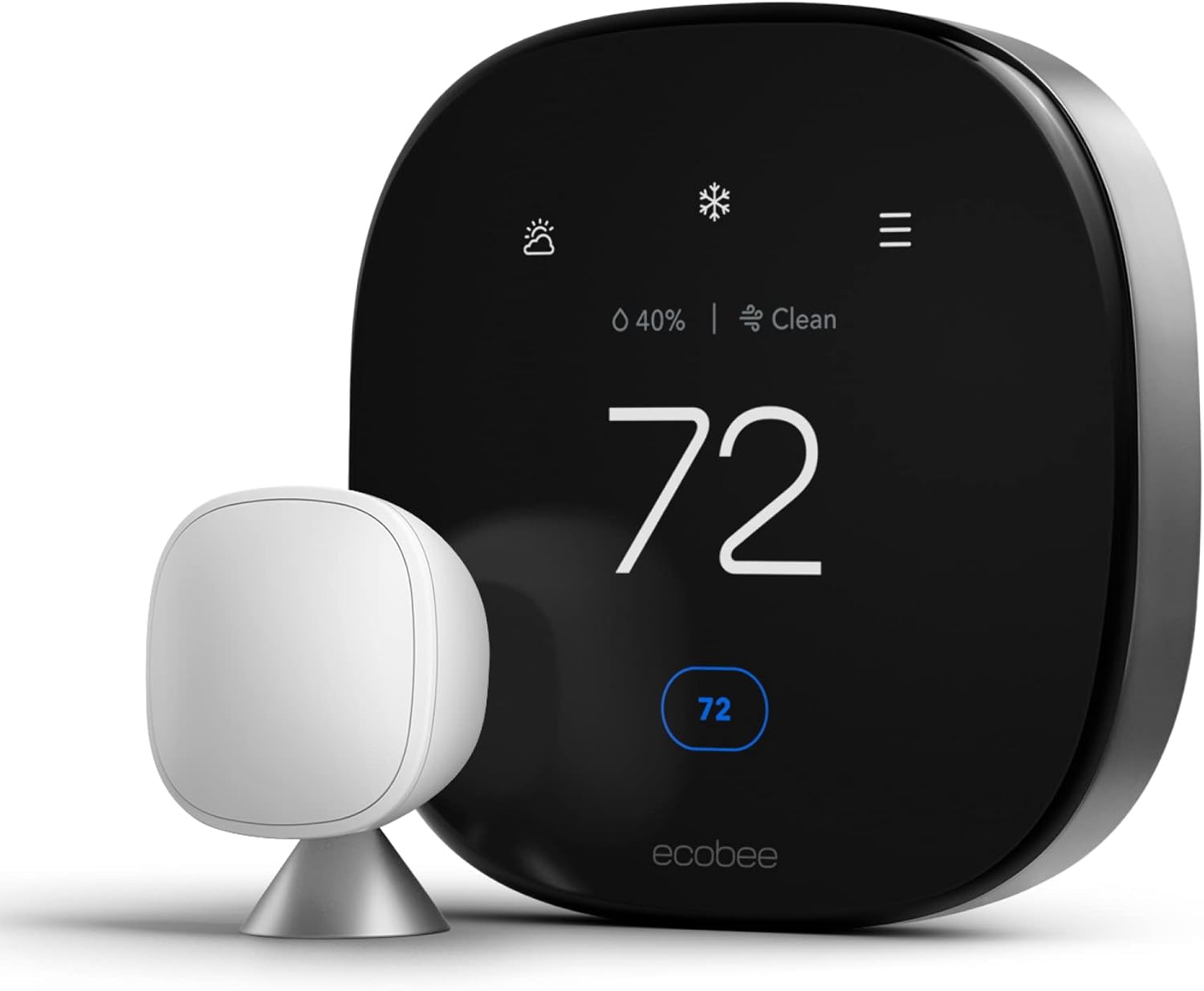
| Ecobee | Required |
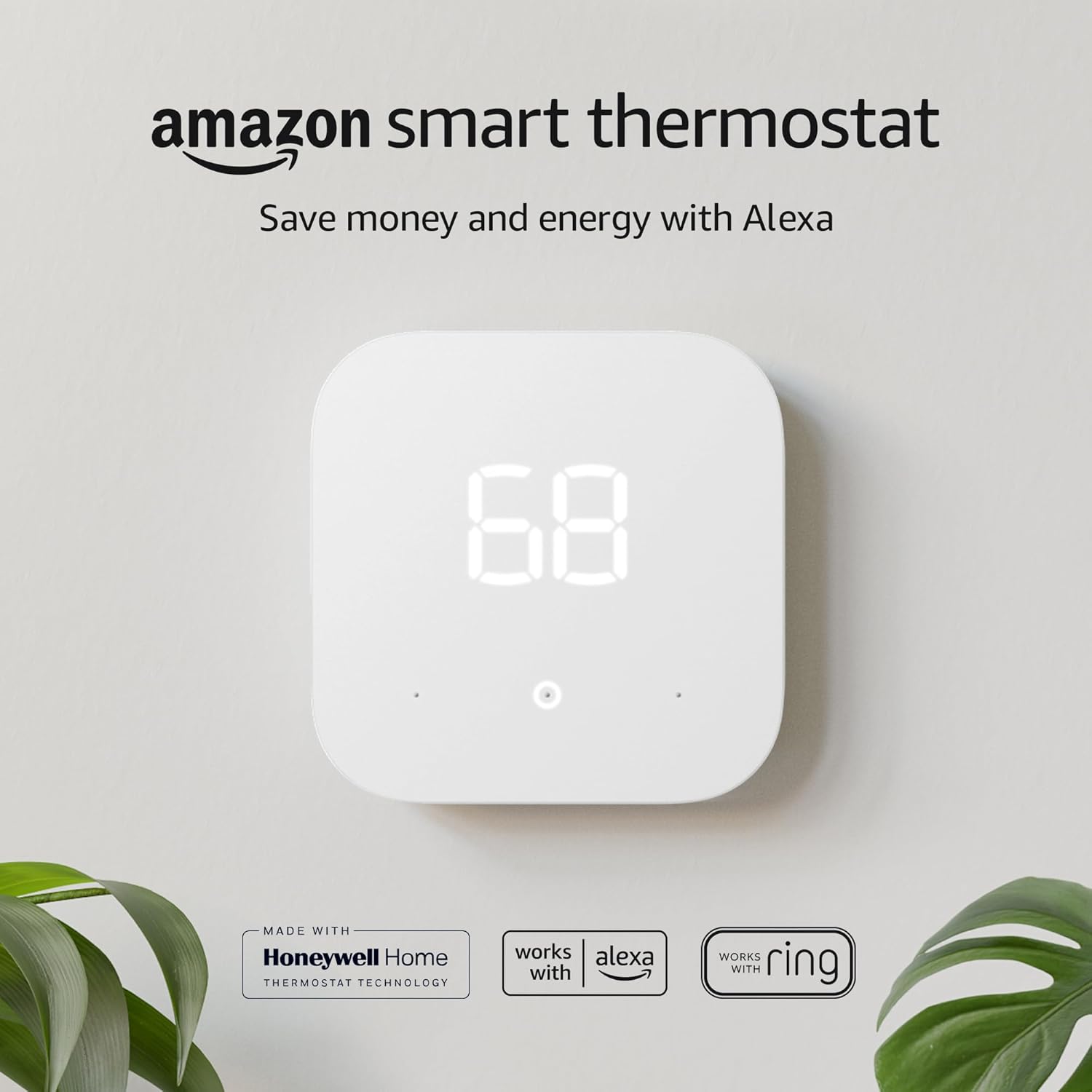
| Honeywell | Required |
By understanding the importance of the C-wire and following the steps outlined in this guide, you’ll be able to unlock the full potential of your smart thermostat and enjoy a more comfortable, energy-efficient home.
🌡️ Recommended Products
Shop the best C-Wire Explained — vetted by our experts.
Shop Smart Thermostats on Amazon →
As an Amazon Associate, we earn from qualifying purchases.
Related Guides & Reviews
- Thermostat Technical Troubleshooting Why Thermostat Doesnt Start Furnace
- Thermostat Technical Troubleshooting Why Is My Thermostat Clicking But Not Turning On
- Thermostat Technical Troubleshooting Why Your House Feels Cold Even With The Heating On
- Thermostat Technical Troubleshooting How Do I Know If I Need A New Thermostat
- Thermostat Technical Troubleshooting Why Thermostat Not Charging




 Home
Home
 Info
Info
 Compare
 Reviews
 Shop
Shop