Thermostat Charging Guide
Fixing Low Power, Blank Screens, and Battery Failures
Why Your Thermostat Isn’t Charging — Causes, Troubleshooting & Fixes
Modern smart thermostats are powerful computers on your wall, but they cannot function without a steady stream of electricity. If your device is not charging, it will eventually lose its Wi-Fi connection, fail to trigger your HVAC system, or go completely blank — leaving you without heat or cooling when you need it most.
This guide covers every cause of thermostat charging failure, from the simplest wiring oversights to failed transformers and degraded batteries. Whether you own a Nest, Ecobee, Honeywell, Sensi, or any other smart thermostat, the diagnostic principles apply universally. We will walk you through identifying the root cause, fixing it yourself where possible, and knowing when the job requires a professional.
How Thermostat Power & Charging Works
Unlike a television that plugs directly into a 120V wall outlet, a thermostat relies on low-voltage electricity — typically 24V AC — provided by your furnace or air handler’s step-down transformer. This transformer is the unsung hero of your HVAC system. It converts the 120V power from your home’s electrical panel into the 24V signal that controls your heating and cooling system, and simultaneously powers your thermostat.
Understanding this chain of power delivery is the foundation of diagnosing any charging problem. Before blaming the thermostat itself, you need to verify that the power supply feeding it is healthy. For a broader understanding of how thermostats work at the electrical level, including the relationship between the control board and the thermostat, our foundational explainer covers the full picture.
Hardwired Power vs Battery-Powered Thermostats
Standard programmable thermostats often run purely on AA or AAA batteries — replaceable alkaline cells that power the display and send control signals to the HVAC system. However, smart thermostats like Nest, Ecobee, Honeywell T9, and Sensi are “hardwired” to your HVAC system via the thermostat wire bundle running through your wall.
They use an internal rechargeable battery — typically a lithium-ion cell — to maintain settings and connectivity during brief power interruptions (like when your furnace cycles), but they require continuous power from the HVAC system wiring to stay reliably operational. If you are using a purely battery-powered smart thermostat, which exists as a category for homes with no thermostat wire at all, those devices have fundamentally different maintenance needs and are not subject to most of the charging issues in this guide.
The key distinction is this: a smart thermostat’s internal battery is not meant to be the primary power source. It is a buffer. If the wiring does not deliver consistent power, the buffer depletes and you get charging failures.
The Role of the Common Wire (C-Wire) in Charging
The C-wire — short for “common wire” — is the electrical return path in a 24V HVAC control circuit. Here is the simple version: the R-wire (red) carries 24V power from the transformer to the thermostat. The C-wire returns that current back to the transformer, completing the circuit.
Without the C-wire, there is no complete circuit — no continuous current flow. The thermostat cannot draw steady power from the system. This is why the C-wire is absolutely critical for smart thermostats, which need to power Wi-Fi radios, color touchscreens, occupancy sensors, and onboard processors around the clock.
Older homes (pre-2000s) were often wired with only 4 wires: R, G, Y, and W. The C-wire was considered unnecessary for the simple mechanical thermostats of that era. When homeowners upgrade to modern smart thermostats in these homes, charging problems are almost inevitable without adding a C-wire or using an adapter. For a complete breakdown of what each wire does, our thermostat wiring guide includes color codes, terminal labels, and diagrams for every HVAC configuration.
Common Reasons Your Thermostat Is Not Charging
1. Missing or Improperly Connected C-Wire
This is the single most common cause of smart thermostat charging failure, accounting for the majority of cases in older homes. “Power stealing” is the workaround that some thermostats — most notably the Nest Learning Thermostat — use when no C-wire is available. The thermostat pulses small amounts of current through the heating (W) or cooling (Y) wire during brief periods when those circuits are not actively energized, using this trickle to recharge its internal battery.
The problem with power stealing is that it relies on the HVAC system running regularly enough to provide charging opportunities. During mild weather — spring and fall — when your heating and cooling rarely kick on, the thermostat cannot recharge adequately. The battery slowly drains until the device goes offline, displays a low battery warning, or reboots repeatedly. This is precisely why charging complaints spike in October and April — the shoulder seasons when HVAC runtime is minimal.
Additionally, certain high-efficiency furnaces and HVAC systems detect the small parasitic current draw of a power-stealing thermostat and interpret it as a fault condition, causing the furnace to short-cycle, click repeatedly, or throw error codes on the furnace board. If you are experiencing thermostat rebooting when AC turns on, power stealing combined with voltage drop is frequently the culprit.
2. Insufficient Power from Your HVAC System
Even with a C-wire properly connected, insufficient transformer capacity can prevent adequate charging. Your furnace or air handler contains a 24V transformer — typically rated at 40VA (volt-amperes) for older residential systems. Modern HVAC systems with smart controls, zone boards, and multiple accessories may push that transformer close to or beyond its rated capacity.
When a transformer is overloaded, the output voltage sags below the rated 24V. At 20V or below, many smart thermostats cannot complete their charging cycle reliably. The result is a thermostat that appears to have a C-wire connection but still suffers from intermittent charging failures. A simple multimeter test (detailed in the troubleshooting section below) will reveal an underperforming transformer.
3. Loose or Faulty Wiring Between Thermostat & Furnace
Wiring connections degrade over time. Wire terminals oxidize, screws vibrate loose from seasonal thermal expansion and contraction, and thermostat wire strands can break internally while the insulation appears intact. A single poor connection anywhere in the 24V circuit — at the thermostat terminal, in the wire bundle where it passes through the wall, or at the furnace control board — can interrupt the charging circuit.
This is especially common in homes where the thermostat has been moved or repositioned, or where DIY work has involved the thermostat wiring. If you have recently done any wall work or noticed the thermostat feels loose in its mounting bracket, a loose wire connection is a prime suspect. Always check the connection at both ends — thermostat and furnace board — before assuming a more serious problem. Our guide on how to hide thermostat wires on your wall also covers safe wire routing to prevent damage during installation or cosmetic work.
4. Low or Faulty Internal Rechargeable Battery
Smart thermostat internal batteries are rechargeable lithium-ion cells with a finite lifespan. Under normal conditions, these batteries last 5–7 years. However, several factors can shorten that lifespan: frequent power interruptions that force the battery to discharge and recharge repeatedly, extreme temperature swings at the thermostat location, and manufacturing defects that cause premature capacity loss.
When an internal battery has degraded, the thermostat may appear to charge (the charger is delivering power) but the battery cannot hold enough charge to keep the system running through even brief power interruptions. The symptoms include: the thermostat going offline at night when the HVAC is idle, frequent reboots during HVAC cycles, and a persistent low-battery warning that does not clear even after extended runtime. This is a hardware failure that requires either battery replacement (where possible) or thermostat replacement.
For context on how thermostat low battery symptoms manifest — including fading displays and relay click failures — our dedicated diagnostic article covers the progression from early warning signs to complete failure.
5. Faulty or Undersized Transformer
The transformer is a component many homeowners never think about until it fails. Located inside the furnace or air handler cabinet, it is a small toroidal or laminated core device that converts 120V AC to 24V AC. Transformers can fail in several ways: complete burnout (usually from a sustained short circuit in the 24V wiring), gradual capacity loss from overloading, or insulation breakdown that causes intermittent output.
A shorted thermostat wire — even a brief contact between two wires that immediately separated — can burn out a transformer instantly. If your thermostat suddenly stopped working after any wiring work, a blown transformer is a prime suspect. Replacement transformers are inexpensive ($15–30) and the swap is a straightforward DIY job for anyone comfortable working inside the furnace cabinet with the power disconnected.
6. Blown Furnace Control Board Fuse
Most modern furnace control boards include a 3-amp automotive-style blade fuse that protects the 24V circuit. When a short circuit occurs — even briefly — this fuse blows to protect the more expensive control board and transformer. A blown fuse cuts all 24V power to the thermostat, causing it to appear completely dead despite a correctly wired installation.
Checking this fuse is one of the first things an HVAC technician does when a thermostat appears completely unresponsive. The fuse is visually identical to automotive fuses and is usually labeled on the control board. It is replaceable for under $5 at any auto parts store. If the replacement fuse blows immediately, there is a short circuit in the 24V wiring that must be found and corrected before the system will operate. This scenario is covered in our thermostat battery failure and relay no-start guide.
7. HVAC Safety Switch or Limit Control Interrupting Power
Your HVAC system contains multiple safety devices designed to cut power when unsafe conditions are detected: high-limit switches that open when the heat exchanger overheats, condensate overflow switches that cut power when the drain pan fills, and pressure switches that open under abnormal refrigerant conditions. Any of these can cut the 24V power supply to your thermostat, causing it to appear to lose charge or go offline.
If your thermostat loses power intermittently — especially during or after HVAC cycles — and you have ruled out wiring and transformer issues, a tripping safety switch is worth investigating. A condensate overflow switch is particularly common in humid climates; the drain pan fills with water, the float switch opens, and the 24V circuit goes dead. Cleaning the condensate drain typically resolves the issue immediately.
Signs Your Thermostat Is Not Charging
- 🔋Persistent Low Battery Alert: A “Low Battery” warning that does not clear after the HVAC has run for several hours — or that returns within days of clearing — indicates the battery is not being adequately recharged from the system wiring.
- 🔴Blinking or Red Battery Icon: A battery icon that blinks red or amber on the thermostat display is the device’s way of signaling that the internal charge is critically low and normal operation may soon be interrupted.
- 📺Blank or Dim Display: The screen only illuminates when physically touched or does not light up at all. This indicates the internal battery is nearly or completely depleted and the wiring is not providing enough power to sustain the display.
- 🔄Frequent or Spontaneous Reboots: The thermostat restarts on its own, particularly when the furnace or AC kicks on. This happens because the HVAC startup draws current from the transformer, causing a momentary voltage sag that drops below the thermostat’s minimum operating voltage, triggering a reboot.
- 📶Intermittent Wi-Fi Disconnection: The thermostat drops off the network periodically, especially overnight when the HVAC is idle. This is an early charging failure symptom — the Wi-Fi radio is the first thing the thermostat shuts down when battery power is insufficient.
- 🌡️HVAC Fails to Start: In severe cases, the thermostat does not have enough power to energize the relay that sends the call-for-heat or call-for-cool signal to the furnace. If your HVAC is not turning on but the thermostat display is on, a charging or power issue may be preventing the relay from closing. See our guide on why a thermostat doesn’t start the furnace for a full diagnostic flow.
- 🌀Thermostat Stuck on a Schedule That Is Weeks Old: If the internal clock has reset (a symptom of battery depletion), the thermostat may be operating on an incorrect time, causing it to run the wrong schedule. This is a subtle charging symptom that many homeowners miss.
Understanding 24V HVAC Power: What the Numbers Mean
To accurately diagnose charging issues, it helps to understand what the voltage readings from your multimeter actually mean. A healthy 24V HVAC system is not exactly 24V — it typically runs between 24V and 28V AC depending on the transformer and load conditions. Here is how to interpret your readings:
Measure between the R and C terminals at the thermostat with your multimeter set to AC voltage.
A reading below 22V indicates a problem: either an overloaded or failing transformer, a wiring resistance issue, or a partial short circuit draining the circuit. Anything below 18V means the transformer is effectively not functioning — the thermostat will not charge and the HVAC will not operate correctly. For a deeper look at how voltage issues affect HVAC control circuits, our article on thermostat heat-on but no heat — 24V signal vs furnace explains the relationship between control voltage and actual heating output.
Brand-Specific Charging Issues
While the root causes of charging failures are universal, each major thermostat brand has quirks in how it handles low power conditions and what symptoms it displays.
🌀 Google Nest
The Nest Learning Thermostat and Nest Thermostat E both use power stealing aggressively. The most common symptom is the “low battery” warning combined with Wi-Fi drops during mild seasons. Charging via the USB port on the back is the recommended first diagnostic step. Nest also displays battery voltage in the Settings menu under Technical Info — a reading below 3.6V indicates the battery needs charging or replacement. For power-stealing specific fixes, see our Nest power stealing and C-wire fixes guide.
🌿 Ecobee
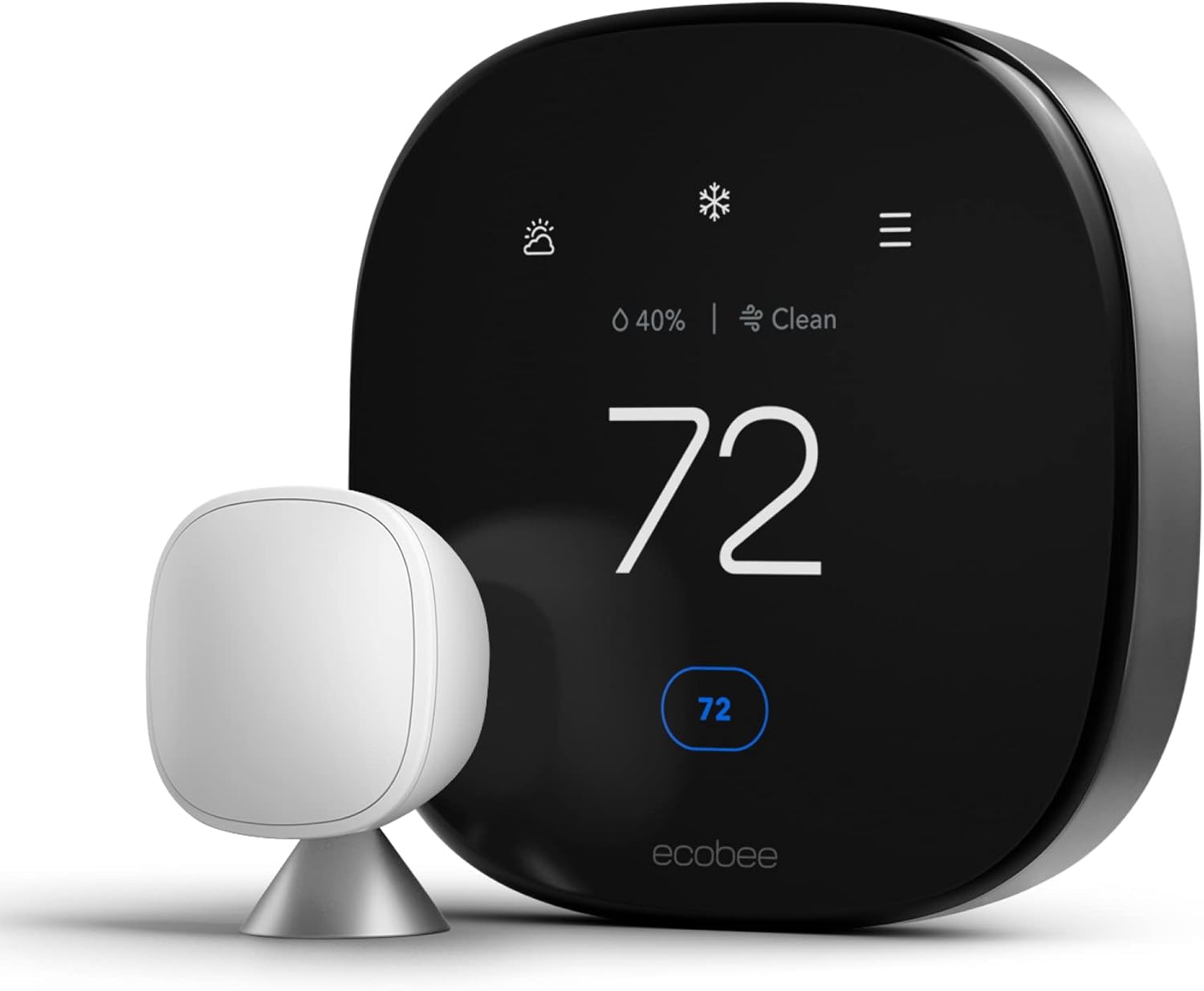
Ecobee thermostats require a C-wire and ship with a Power Extender Kit (PEK) to create one if absent. Charging issues with Ecobee are usually related to the PEK being installed incorrectly at the furnace, or the C-wire not being connected at both ends. The Ecobee app shows a “Power” status in the About menu that indicates whether the unit is operating on wired power or backup battery — check this first when diagnosing. For a full review of Ecobee’s power requirements, see our Ecobee3 Lite PEK and C-wire installation review.
🔷 Honeywell / Resideo
Honeywell’s T-series smart thermostats (T9, T10 Pro) require a C-wire and are generally reliable when properly wired. Battery replacement in Honeywell models varies by product — some use replaceable AA batteries as the primary power source (check our Honeywell thermostat battery replacement guide), while smart models use internal rechargeable cells. Honeywell thermostats are also known for longevity — see how long Honeywell thermostats typically last before battery or hardware replacement becomes necessary.
🟢 Sensi (Emerson)
Sensi thermostats are known for excellent C-wire compatibility and clear diagnostic messaging. If your Sensi is not charging, the most common cause is a misconfigured installation — specifically, incorrect wire assignment in the app setup wizard that misidentifies which terminal the C-wire is connected to. If you are having issues, our guide on why your Sensi thermostat is not working covers the most frequent failure points and their fixes, as well as our Sensi thermostat reset guide for clearing configuration issues.
Step-by-Step Troubleshooting
Work through these steps in order. Most charging problems are resolved by step 3 or 4. Do not skip steps — the diagnostic builds on each prior result.
Verify the C-Wire Is Connected at Both Ends
Remove the thermostat faceplate from the wall plate. Locate the terminal block and confirm a wire is inserted in the “C” terminal and clamped securely. Then go to your furnace or air handler, open the cabinet, and locate the control board. Find the “C” terminal (it may also be labeled “COM”) and confirm the other end of the same wire is connected there. A wire connected at only one end — or a wire that appears connected but is not clamped fully — will not complete the circuit. Push each wire firmly into its terminal and confirm it resists being pulled out with light force.
Test Voltage at the Thermostat with a Multimeter
Set your multimeter to AC Voltage (20V or 200V range). With the thermostat connected to the wall plate, carefully touch the probes to the R and C terminals. You should read between 24V and 28V AC. If you read less than 22V, the power supply is insufficient. If you read 0V, the circuit is broken — either a blown furnace fuse, a failed transformer, or a disconnected C-wire. This single measurement tells you whether the problem is upstream (wiring/transformer) or downstream (thermostat battery/charging circuit).
Charge via USB (The “Jumpstart” Test)
Most Nest and some Ecobee models have a micro-USB or USB-C port on the back of the thermostat display unit. Remove the thermostat from its wall plate, plug it into a USB wall charger (5V, 1A or higher), and leave it charging for a minimum of 2 hours. If the thermostat powers up and functions normally during USB charging, the battery is intact but the wall wiring is failing to provide adequate charging current — focus your fix on the C-wire or transformer. If it does not respond to USB charging, the internal battery may be fully depleted or defective.
Check the Furnace Control Board Fuse
Turn off power to the furnace at the disconnect switch or circuit breaker. Open the furnace cabinet and locate the control board. Look for a small automotive-style blade fuse — typically 3A, often labeled “FUSE” on the board silkscreen. Remove it and hold it up to a light source. A blown fuse has a visibly broken metal bridge inside the plastic housing. Replace it with an identical-rating fuse. If the new fuse blows immediately when power is restored, there is a short circuit in the 24V wiring that must be located and repaired before the system can operate safely.
Test Transformer Output Directly
With the furnace powered on, use your multimeter to measure voltage directly at the transformer’s secondary terminals (the low-voltage output side). Disconnect the thermostat wire bundle from the control board first to remove any load from the circuit. A healthy transformer should output 24–28V with no load. If it reads low even with no load connected, the transformer is failing. If it reads normal unloaded but drops when the thermostat wire is reconnected, there is a partial short circuit in the thermostat wiring that is dragging the voltage down.
Inspect the Thermostat Wire for Damage
Trace the thermostat wire from the thermostat location to where it enters the wall, and (if accessible) from where it exits near the furnace to the control board. Look for physical damage: pinched wire at the wall plate, staples driven through the cable sheath, wire bundle pressed against a sharp metal edge inside the furnace cabinet, or a section of wire that passes through an area of high heat. Any of these can cause intermittent shorts or open circuits that disrupt charging without being obvious from either end. If the wire routing is suspect, consider whether your home’s thermostat wiring is suitable for upgrade to a smart thermostat at all, or whether rewiring may be necessary.
Perform a Factory Reset
If the wiring and voltage tests pass but the thermostat still has persistent charging or connectivity issues, a firmware bug or software corruption may be artificially inflating the battery drain rate. Performing a factory reset clears all settings and forces the device to re-sync its charging logic. For specific reset procedures by brand, see our guides for resetting a Honeywell thermostat, resetting a Sensi thermostat, and our general thermostat reset guide covering most brands.
C-Wire Solutions for Older Homes
If your home does not have a C-wire and you want to avoid the instability of power stealing, you have several practical options. The right choice depends on your technical comfort level, the number of wires in your thermostat cable, and whether you are willing to do any work inside the furnace cabinet.
Option 1: Use the Ecobee Power Extender Kit (PEK)
Ecobee ships a Power Extender Kit with every thermostat. The PEK installs inside the furnace cabinet and repurposes the G wire (fan control) to serve double duty as both a fan control signal and a C-wire. This works without running any new wire and is the most DIY-friendly approach. The tradeoff is that the G wire can no longer independently control the fan — you can only run the fan when heating or cooling is active. For most homeowners, this is an acceptable limitation. Our Ecobee PEK installation walkthrough covers the process step by step.
Option 2: Use a Dedicated C-Wire Adapter
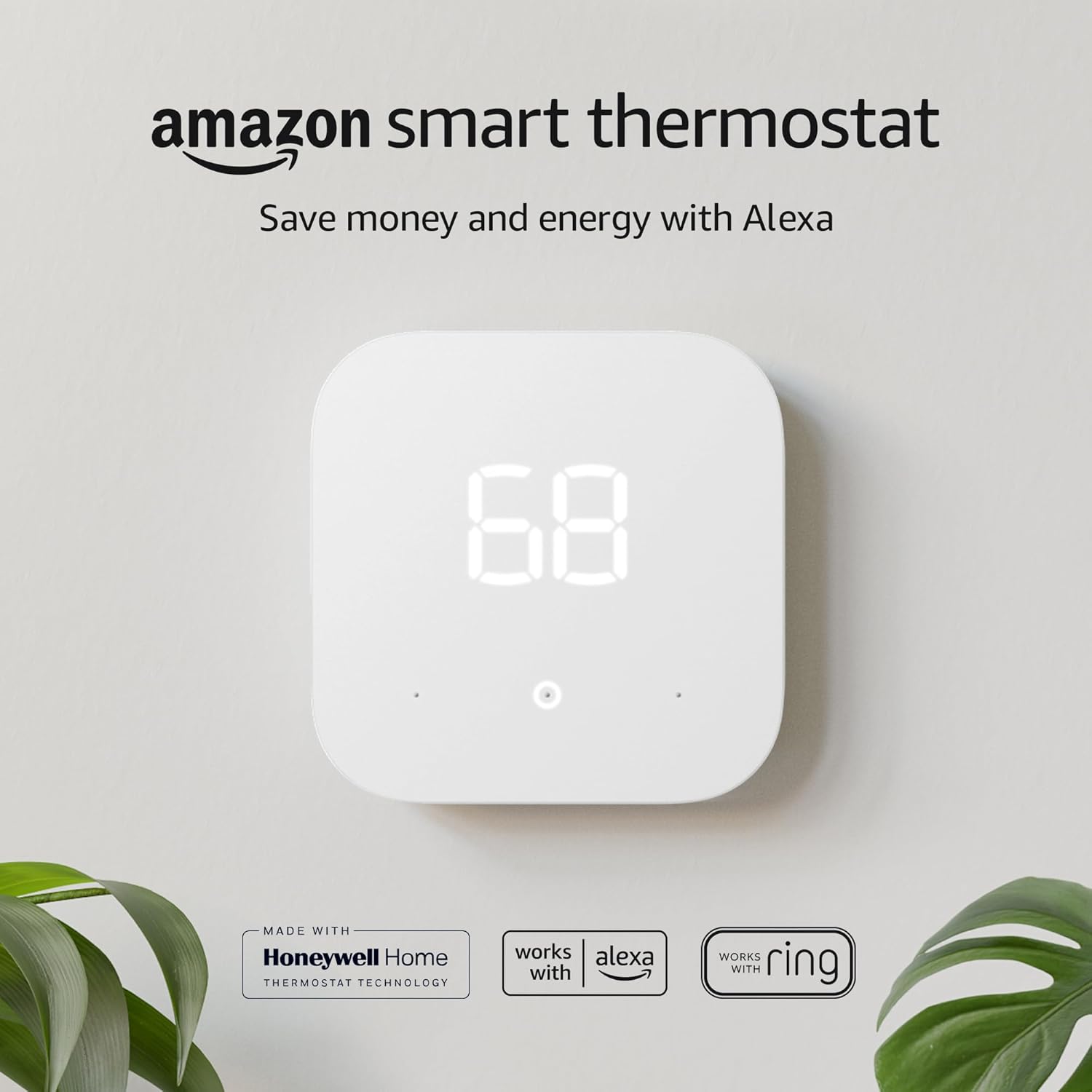
Several third-party C-wire adapters (such as the Venstar Add-A-Wire) work similarly to the Ecobee PEK but are compatible with any brand of thermostat, including Nest. These adapters install inside the furnace cabinet and add a virtual C-wire to any existing 4-wire installation. They cost $20–$35 and take about 30 minutes to install. For budget-conscious buyers, our comparison of the Amazon Smart Thermostat vs Ecobee Premium with C-wire adapters covers compatibility and installation for both platforms.
Option 3: Run a New Thermostat Wire
If your thermostat wire bundle has a spare (unused) wire — common in 5-wire or 7-wire bundles where only 4 wires were used — you can repurpose it as a C-wire. Identify the unused wire at both ends, connect it to the C terminal at the thermostat and the C terminal at the furnace board, and you have a proper C-wire without any new wiring. If no spare wire is available, running a new 18/5 thermostat cable from the furnace to the thermostat location is the most permanent and reliable solution — though it requires fishing wire through walls.
Option 4: Switch to a Battery-Powered Smart Thermostat
For homes where running a C-wire or installing an adapter is genuinely impractical, a battery-powered smart thermostat that operates entirely on replaceable batteries (like certain Emerson and Wyze models) may be the cleanest solution. These devices sacrifice some smart features (continuous display, always-on Wi-Fi) in exchange for complete independence from HVAC wiring power.
Internal Battery Replacement: Is It Possible?
Many homeowners ask whether the internal rechargeable battery in a Nest or Ecobee can be replaced when it degrades. The honest answer: sometimes, but with difficulty.
Google Nest: The Nest Learning Thermostat (all generations) uses a proprietary lithium polymer battery that is not designed for user replacement. Third-party repair guides document the disassembly process, but it requires prying apart plastic housings that are not designed to be reopened, which risks damaging the unit. If the Nest is out of warranty and the battery is failing, replacement is often more economical than repair.
Ecobee: The Ecobee SmartThermostat uses a similar proprietary internal battery. Battery replacement is not officially supported by Ecobee, and the thermostat must be disassembled in a way that may void any remaining warranty.
Honeywell/Resideo: Some Honeywell smart thermostat models use standard AA batteries as the primary power source rather than a sealed internal cell, making replacement trivial. Refer to our Honeywell thermostat battery replacement guide for model-specific instructions.
In most cases involving a degraded internal battery in a 5+ year old smart thermostat, the most cost-effective path is thermostat replacement. The good news is that thermostat costs have declined significantly — you can get a capable smart thermostat for under $100, and our guide to smart thermostats under $50 covers budget-friendly options with Alexa integration and C-wire compatibility.
Transformer Problems: Diagnosis and Replacement
A failing HVAC transformer is more common than most homeowners expect, particularly in systems that are 10+ years old or that have had wiring work done. The transformer lives inside the furnace or air handler — it is a compact component, usually rectangular or cylindrical, with two pairs of wires: the primary (120V from the home electrical system) and the secondary (24V output).
How Transformers Fail
Transformers fail primarily through two mechanisms. The first is thermal overload — sustained overloading causes the internal windings to overheat, degrading insulation until a short develops inside the windings. You may notice a faint burning or electrical smell from the furnace area before this type of failure. The second mechanism is a fault in the secondary (24V) circuit — a direct short between wires in the thermostat cable or across a terminal sends excessive current through the transformer, burning out a protective thermal fuse built into the transformer winding or simply burning out the windings themselves.
Replacing the Transformer
Transformer replacement is a job most competent DIYers can handle with the appropriate precautions. The primary side (120V) requires respect — always disconnect power at the circuit breaker and verify with a non-contact voltage tester before working near the primary wiring. The secondary side (24V) is safe to work with the system powered, though it is good practice to power down during actual wiring changes.
When selecting a replacement transformer, match the VA (volt-ampere) rating to the original or go slightly higher (e.g., replace a 40VA with a 50VA or 75VA). Never install a lower-rated transformer, as it will run hot and fail prematurely. If you are adding smart thermostat accessories (like humidity control or remote sensors) that increase the system’s 24V load, sizing up is advisable.
Furnace Control Board Issues
In rare cases, the furnace control board itself is the source of charging problems. The control board regulates the 24V output, protects it with a fuse, and distributes power to various components including the thermostat connection. If the board has a failed component in the 24V output circuit, it may deliver insufficient voltage even with a functional transformer.
Diagnosing a control board requires component-level testing that goes beyond what a standard multimeter can reveal — you need to check for output voltage at the board’s terminal block under load conditions. If all other components (transformer, wiring, fuse) test healthy but the thermostat still cannot charge, the control board is a serious suspect. Control board replacement is typically a $150–$400 part cost depending on the HVAC brand, plus labor if professionally installed. For context on broader HVAC repair and replacement costs, our HVAC system replacement cost guide helps you weigh repair vs. replacement economics.
Before replacing the board, if your furnace is not starting despite the thermostat appearing to work, also check our guide on furnace won’t turn on but fan works — a common scenario where the control board is in a fault state that is distinct from a charging problem.
Software and Firmware Causes of Charging Issues
Modern smart thermostats are computers, and like all computers, they can develop software bugs that produce hardware-like symptoms. Two software issues in particular can cause what appears to be a charging failure:
Wi-Fi Radio Loop / Firmware Bug
If a firmware update is interrupted mid-installation, or if a bug causes the device’s Wi-Fi chip to enter a search loop (continuously scanning for networks without connecting), the Wi-Fi subsystem can consume far more power than normal. A thermostat that normally charges on a borderline-sufficient power supply may suddenly be unable to maintain charge when the Wi-Fi chip is running at full power consumption.
Symptoms: the thermostat is warm to the touch (more than usual), battery depletes overnight even when the HVAC runs, and the device shows as online briefly then drops offline repeatedly. A factory reset is usually curative, as it reinstalls clean firmware. Check how smart thermostat Wi-Fi connectivity works to understand the expected power envelope of the Wi-Fi subsystem and whether yours is behaving abnormally.
Clock Battery / RTC Drain
Some thermostat models use a separate real-time clock (RTC) battery — often a CR2032 coin cell — to maintain the time and schedule during power interruptions. When this secondary battery fails, the device may attempt to compensate by drawing more heavily from the main battery, accelerating depletion. If your thermostat consistently resets its clock after power interruptions, the RTC battery may need replacement. This is a less common issue but worth knowing about in older devices.
Seasonal Charging Patterns: Why Issues Peak in Spring and Fall
If you have noticed that charging issues seem to appear in October or March/April, you are not imagining it. This is a real and well-documented phenomenon tied to the seasonal nature of thermostat charging through power stealing or even through a marginal C-wire connection.
During winter, your furnace runs frequently — potentially for hours each day. This gives a power-stealing thermostat ample opportunities to trickle-charge its battery. During summer, the AC runs similarly. But in spring and fall — when outdoor temperatures are mild — the HVAC system may run for only 10–20 minutes a day, or not at all. A thermostat relying on power stealing simply does not get enough charging opportunities, and the battery slowly depletes over the weeks until symptoms appear.
The fix for this specific pattern is straightforward: install a proper C-wire connection. With a continuous 24V supply via the C-wire, the thermostat charges regardless of whether the HVAC is actively heating or cooling. This is one of the most important reasons why a C-wire is not just a “nice to have” for smart thermostats — it is the difference between reliable year-round operation and annual springtime troubleshooting calls.
Understanding the right thermostat settings for different seasons also reduces unnecessary HVAC cycling. Our recommended thermostat settings for winter and vacation setpoint guidance (see our article on what temperature to set your thermostat when on vacation in winter) help maintain meaningful HVAC runtime that supports adequate battery charging even in a power-stealing configuration.
Prevention: How to Avoid Future Charging Failures
The best charging problem is one that never happens. Here are the most effective preventive measures:
- Install a proper C-wire. This single change eliminates the most common source of charging instability. If you cannot run new wire, use a PEK or Add-A-Wire adapter.
- Size your transformer correctly. When adding HVAC accessories — humidifiers, air purifiers, zone boards — upgrade your transformer to match the increased load. A 40VA transformer at 80% capacity will last years; at 110% it will fail within months.
- Keep thermostat wire connections tight and corrosion-free. Inspect the terminal connections at both the thermostat and the furnace board annually. Apply a small amount of electrical contact cleaner if corrosion is visible.
- Keep firmware up to date. Smart thermostat manufacturers regularly release firmware fixes for battery drain bugs and Wi-Fi stability improvements. Enable automatic updates or check for updates quarterly.
- Inspect your condensate drain annually. A clogged condensate drain can trigger a safety switch that cuts 24V power. Clean the drain pan and drain line at the start of each cooling season.
- Replace the control board fuse proactively if you ever have a wiring short. After any wiring incident that blows the fuse, investigate what caused the short — a replaced fuse in a circuit with an unresolved short will blow again.
When a Charging Problem Is the Sign to Upgrade Your Thermostat
Sometimes a charging failure is not a problem to solve but a signal to upgrade. If your thermostat is 7+ years old, has a failing internal battery that cannot be replaced, or requires a control board replacement that costs more than a new thermostat, upgrading is the rational choice.
Before purchasing a replacement, verify that your new thermostat is compatible with your HVAC system. Our complete thermostat-to-furnace compatibility guide walks through how to check wiring, system type, and terminal requirements for any thermostat. Also consider whether your home’s thermostat location, wiring, and age make it a good candidate for a smart vs. programmable thermostat upgrade — sometimes a simpler programmable thermostat is the more reliable long-term choice for homes with problematic wiring infrastructure.
If you decide to upgrade to a smart thermostat, our guide on key features to compare when buying a smart thermostat helps you evaluate C-wire requirements, power consumption ratings, and charging architecture before committing. For energy-focused buyers, also review our best smart thermostats for energy savings roundup, which factors in power efficiency alongside comfort features.
When comparing specific models before upgrading, particularly around power supply approaches, our comparison of Nest vs Sensi power stealing vs battery backup is directly relevant to the charging topic, as is our Ecobee3 Lite vs Nest temperature sensor comparison.
When to Call an HVAC Professional
Persistent Low Power After All DIY Fixes
If you have verified the C-wire connection, tested 24V+ at the thermostat terminals, checked the fuse, and USB-charged the thermostat but problems persist — it is time for a professional. A few scenarios specifically require professional intervention:
- Transformer replacement with the primary side in an inaccessible location — working near 120V wiring requires electrical safety knowledge that not all homeowners have.
- Tracing a short circuit in thermostat wiring inside walls — finding an internal wire break or partial short requires specialized tools and the willingness to open walls.
- Control board diagnosis and replacement — requires component-level testing equipment and HVAC-specific knowledge.
- Multi-zone systems with complex wiring — zone boards add significant complexity to the 24V circuit that is difficult to troubleshoot without a full understanding of the system architecture.
If your HVAC system is older and has not been serviced in several years, a charging failure is often the event that prompts a full system inspection. During that inspection, an HVAC technician can assess the condition of the transformer, control board, wiring, and safety switches — giving you a complete picture of the system’s health. For context on what that broader inspection and potential replacement might cost, see our furnace replacement cost guide and AC unit installation cost guide.
✅ DIY-Friendly Fixes
- Connecting a C-wire that is already in the bundle
- Installing a PEK or Add-A-Wire adapter
- Replacing the furnace board fuse
- Replacing the HVAC transformer (secondary side work)
- Tightening loose wire terminal connections
- Performing a factory reset
- USB charging to test the battery
🔧 Call a Pro For These
- Tracing a short in concealed wiring
- Control board diagnosis or replacement
- Transformer primary-side wiring
- Multi-zone board reconfiguration
- Safety switch diagnosis and testing
- Any work involving the 120V furnace electrical supply
Frequently Asked Questions
Can a Thermostat Work Without a C-Wire?
Some models (like the Nest Learning Thermostat) claim to work without one by “power stealing,” but this often causes charging failures during mild seasons when HVAC runtime is minimal. We always recommend a proper C-wire connection or a C-wire adapter (like Ecobee’s PEK or a third-party Add-A-Wire device) for reliable long-term operation of any smart thermostat.
How Long Should a Thermostat Battery Last?
Internal rechargeable batteries in smart thermostats (Nest, Ecobee) typically last 5–7 years under normal charging conditions. Standard alkaline batteries in non-smart, battery-only thermostats should be replaced annually or when the low battery indicator appears. If your smart thermostat’s internal battery is failing before 5 years, investigate whether the charging circuit is providing adequate voltage — a degraded battery is often the symptom of an inadequate power supply, not just a failed battery.
Why Does My Thermostat Lose Charge When the Furnace Runs?
This is often due to a blown fuse on the furnace board or a safety switch tripping that cuts power to the R-wire while the system is under load. When the furnace kicks on, its high-voltage components draw heavily from the electrical supply, and if the control board fuse is failing (partially blown but not fully open), the resistance increase can momentarily drop the 24V supply below the thermostat’s minimum operating voltage. A furnace board fuse inspection and replacement is the first step to investigate.
Can Software Issues Affect Charging?
Yes. A stuck or looping firmware update, or a software bug causing the Wi-Fi chip to run at maximum power consumption continuously, can drain the battery faster than the system can charge it — even with a proper C-wire connection. Symptoms include the thermostat being unusually warm to the touch and the battery depleting overnight. A factory reset typically resolves firmware-related battery drain issues by reinstalling clean, stable software.
My Thermostat Shows a Correct Temperature But Won’t Charge — Why?
A thermostat can display temperature (using only minimal power from the battery) while failing to charge because the charging circuit operates at a higher power level. This scenario usually indicates a faulty internal charging IC (integrated circuit) rather than a wiring problem. The charging IC regulates how current flows from the C-wire into the internal battery — if this component fails, the battery slowly depletes even with adequate incoming voltage. This is a hardware repair or thermostat replacement situation.
Is There a Way to Test My Thermostat Without Tools?
The USB charging test is the most accessible tool-free diagnostic: remove the thermostat from the wall plate, plug it into a USB charger, and observe whether it powers up and operates normally. If it works on USB but not on the wall wiring, the problem is in the wiring or transformer. If it does not respond to USB charging either, the internal battery is likely deeply discharged or defective. Beyond this, a $15 multimeter is genuinely worth purchasing for any homeowner — it enables voltage testing that removes all guesswork from the diagnosis.
Can a Dirty Air Filter Cause Thermostat Charging Issues?
Indirectly, yes. A severely clogged air filter causes the furnace to overheat, which can trigger the high-limit safety switch. When the limit switch opens, it may cut 24V power to protect the system — effectively cutting power to the thermostat’s charging circuit. If your thermostat loses power intermittently and your filter has not been changed in months, replace the filter first and observe whether the problem resolves. This is an underappreciated connection between routine HVAC maintenance and thermostat reliability. For more thermostat problems that have non-obvious upstream causes, our guide to why your house feels cold even with heating on covers related diagnostic scenarios.
Will Replacing My Thermostat Fix a Charging Problem?
Only if the problem is within the thermostat itself (degraded battery, failed charging IC). If the root cause is inadequate wiring, a failed transformer, a blown fuse, or a tripping safety switch, replacing the thermostat will not fix the issue — the new thermostat will exhibit the same charging failure. Always diagnose the root cause before purchasing a replacement. Use the voltage test to confirm adequate power is reaching the thermostat terminals before concluding the device itself is faulty. If you do decide to replace, ensure you know whether you actually need a new thermostat or whether a repair is more appropriate.




 Home
Home
 Info
Info
 Compare
 Reviews
 Shop
Shop