How to Install Ecobee Without a C-Wire — Power Extender Kit Explained
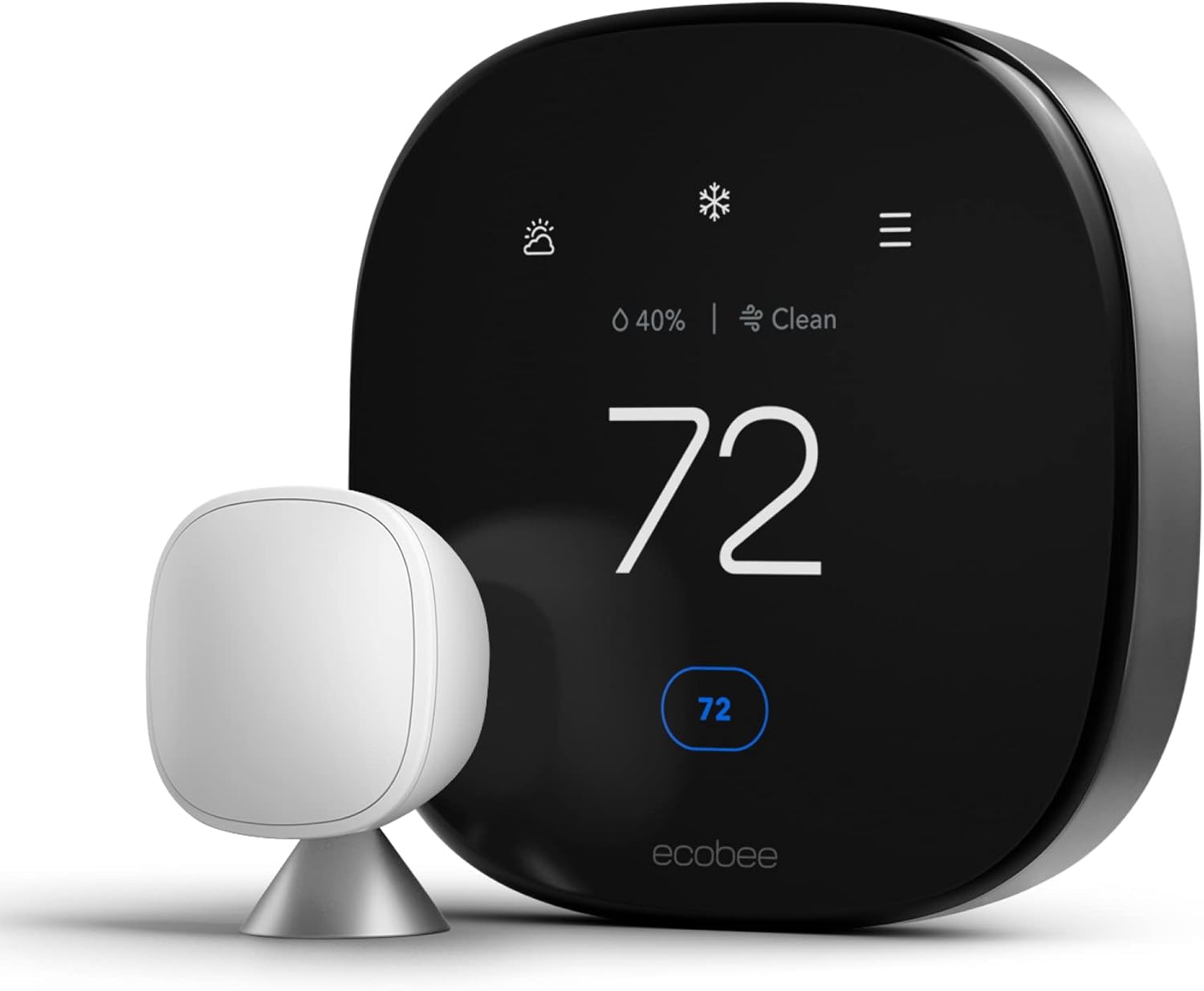
Welcome to our comprehensive guide on installing an Ecobee smart thermostat without a C-wire. As a homeowner looking to upgrade or optimize your HVAC system, you’re likely aware of the importance of a reliable and efficient thermostat. In this article, we’ll walk you through the process of installing an Ecobee smart thermostat using the Power Extender Kit (PEK), a solution designed to eliminate the need for a C-wire.
What You Need to Know
🌡️ Recommended Products
Shop the best How to Install Ecobee Without a C-Wire — vetted by our experts.
Shop Smart Thermostats on Amazon →
As an Amazon Associate, we earn from qualifying purchases.
Before we dive into the installation process, it’s essential to understand the basics of thermostat wiring and the role of the C-wire. The C-wire, also known as the common wire, is a wire that provides a constant flow of power to the thermostat. However, many older homes may not have a C-wire, making it challenging to install smart thermostats like Ecobee or Nest. The Power Extender Kit is designed to bridge this gap, allowing you to install an Ecobee smart thermostat without a C-wire.
In addition to the Ecobee thermostat and the Power Extender Kit, you’ll need to familiarize yourself with the wiring labels used in your HVAC system. The most common wiring labels include:
- R: The R-wire is the 24V power wire that connects to the transformer.
- Rc: The Rc-wire is the 24V power wire that connects to the cooling system.
- C: The C-wire is the common wire that provides a constant flow of power to the thermostat.
- W: The W-wire is the heating stage wire that connects to the heating system.
- Y: The Y-wire is the cooling stage wire that connects to the cooling system.
- G: The G-wire is the fan wire that controls the blower motor.
- O/B: The O/B-wire is the reversing valve wire that controls the heat pump’s operating mode.
Step-by-Step Guide
- Turn off the power to your HVAC system: Before starting the installation process, ensure that the power to your HVAC system is turned off at the circuit breaker or fuse box. Verify that the system is completely powered down to avoid any electrical shocks or injuries.
- Remove the old thermostat: Take out the old thermostat and set it aside. You’ll need to access the wiring behind it, so make sure to remove any screws or clips holding it in place.
- Identify the wiring: Examine the wiring behind the old thermostat and identify the R, Rc, W, Y, G, and O/B wires. Take note of the wire colors and labels to ensure a smooth installation process.
- Install the Power Extender Kit: The Power Extender Kit usually comes with two parts: the PEK module and the 24V transformer. Connect the PEK module to the 24V transformer and then connect the transformer to the R-wire. This will provide the necessary power to the Ecobee thermostat.
- Connect the Ecobee thermostat: Connect the Ecobee thermostat to the PEK module, following the manufacturer’s instructions. Typically, you’ll need to connect the R, Rc, W, Y, G, and O/B wires to the corresponding terminals on the Ecobee thermostat.
- Mount the Ecobee thermostat: Mount the Ecobee thermostat to the wall, ensuring it’s level and secure. Use the provided screws or adhesive strip to hold it in place.
- Turn on the power and test the system: Restore power to the HVAC system and test the Ecobee thermostat to ensure it’s working correctly. Check the wiring connections and verify that the system is heating or cooling as expected.
Key Considerations
When installing an Ecobee smart thermostat without a C-wire using the Power Extender Kit, there are several key considerations to keep in mind:
Firstly, ensure that your HVAC system is compatible with the Ecobee thermostat and the Power Extender Kit. Check the manufacturer’s specifications and compatibility charts to confirm that your system is supported.
Secondly, be aware of the potential risks associated with installing a smart thermostat without a C-wire. Without a C-wire, the thermostat may not function correctly, or it may cause damage to the HVAC system. However, the Power Extender Kit is designed to mitigate these risks and provide a reliable solution.
Lastly, consider the benefits of upgrading to a smart thermostat like Ecobee. Smart thermostats offer advanced features like remote access, energy monitoring, and geofencing, which can help you optimize your HVAC system and reduce energy consumption.
Common Problems and Solutions
During the installation process, you may encounter some common problems. Here are a few solutions to help you troubleshoot:
If the Ecobee thermostat is not powering on, check the wiring connections and ensure that the PEK module is properly connected to the 24V transformer.
If the system is not heating or cooling, verify that the R, Rc, W, Y, G, and O/B wires are connected correctly to the Ecobee thermostat.
If you’re experiencing issues with the Power Extender Kit, consult the manufacturer’s documentation or contact their support team for assistance.
Pro Tips
To get the most out of your Ecobee smart thermostat, here are a few pro tips:
Use the Ecobee app to monitor your energy consumption and adjust your thermostat settings accordingly. You can also use the app to schedule temperature adjustments and optimize your HVAC system.
Consider integrating your Ecobee thermostat with other smart devices in your home, such as Amazon Alexa or Google Assistant, to create a seamless smart home experience.
Regularly update your Ecobee thermostat software to ensure you have the latest features and security patches.
FAQ
Q: What is the Power Extender Kit, and how does it work?
The Power Extender Kit is a device that provides a constant flow of power to the Ecobee thermostat, eliminating the need for a C-wire. It works by connecting to the 24V transformer and providing power to the thermostat through the PEK module.
Q: Can I use the Power Extender Kit with other smart thermostats, such as Nest or Honeywell?
The Power Extender Kit is specifically designed for use with Ecobee smart thermostats. While it may be possible to use it with other smart thermostats, it’s essential to check the manufacturer’s specifications and compatibility charts to confirm compatibility.
Q: How do I troubleshoot issues with the Power Extender Kit?
If you’re experiencing issues with the Power Extender Kit, consult the manufacturer’s documentation or contact their support team for assistance. You can also try resetting the PEK module or checking the wiring connections to ensure they’re secure and correct.
Final Thoughts
Installing an Ecobee smart thermostat without a C-wire using the Power Extender Kit is a relatively straightforward process. By following the steps outlined in this guide and considering the key factors mentioned, you can enjoy the benefits of a smart thermostat without the need for a C-wire. Remember to always follow safety precautions and consult the manufacturer’s documentation if you’re unsure about any aspect of the installation process.
With the Ecobee smart thermostat and the Power Extender Kit, you can optimize your HVAC system, reduce energy consumption, and enjoy a more comfortable and convenient home. Whether you’re a seasoned DIY enthusiast or a novice homeowner, this guide has provided you with the knowledge and confidence to take control of your thermostat installation and start enjoying the benefits of a smart home.
🌡️ Recommended Products
Shop the best How to Install Ecobee Without a C-Wire — vetted by our experts.
Shop Smart Thermostats on Amazon →
As an Amazon Associate, we earn from qualifying purchases.
Related Guides & Reviews
- Thermostat Comparison Amazon Smart Thermostat Vs Ecobee Premium C Wire Adapter
- Thermostat Comparison Ecobee Vs Honeywell Remote Sensor Range Multi Zone
- Thermostat Reviews Ecobee Smart Thermostat Premium Review
- Thermostat Comparison Sensi Thermostat Vs Ecobee
- Thermostat Reviews Sensi Touch Review Illuminated Terminals C Wire Stability




 Home
Home
 Info
Info
 Compare
 Reviews
 Shop
Shop