Introduction
🔧 Recommended Products
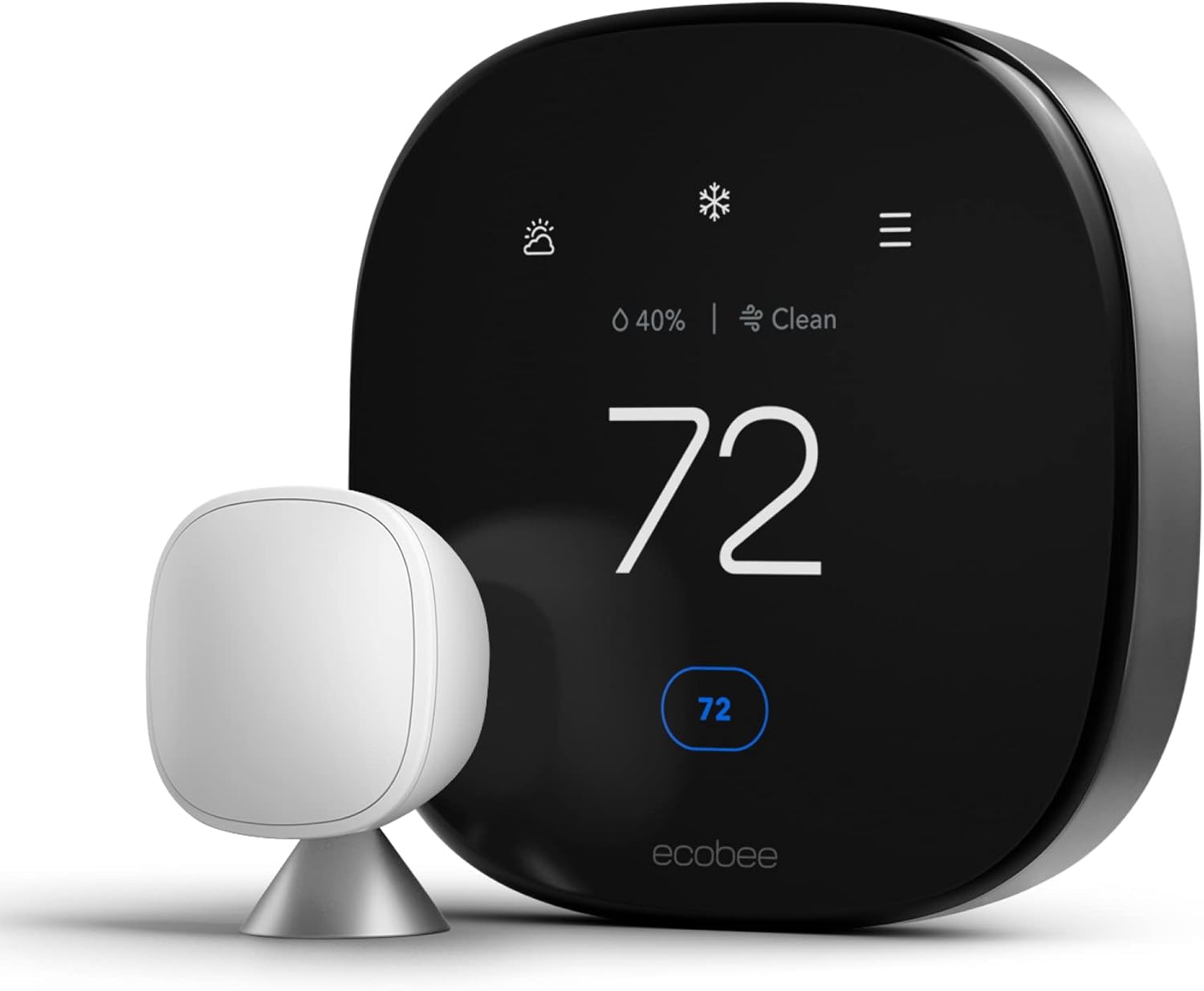
Shop the best Ecobee Thermostat Not Heating — vetted by our experts.
Shop Thermostat Parts on Amazon →
As an Amazon Associate, we earn from qualifying purchases.
Are you experiencing issues with your Ecobee thermostat not heating your home? You’re not alone. As a popular smart thermostat brand, Ecobee offers a range of models, including the Ecobee3, Ecobee4, and Ecobee SmartThermostat, but like any device, they can malfunction. In this comprehensive guide, we’ll walk you through the most likely causes, diagnosis, and step-by-step fixes to get your heating system up and running again. Before we dive in, take a deep breath and know that many of these issues can be resolved with some basic troubleshooting and DIY fixes.
If you’re new to thermostats or HVAC systems, don’t worry; we’ll explain everything in simple terms. Our goal is to empower you with the knowledge to resolve the issue on your own, saving you time and money. So, let’s get started and explore the possible reasons why your Ecobee thermostat is not heating your home.
Most Likely Causes
Based on user reports and technical data, the top 6 most likely causes of an Ecobee thermostat not heating are:
- Incorrect thermostat settings or scheduling conflicts
- Loose or faulty wiring connections, particularly the R (red), W (white), and C (common) wires
- Malfunctioning heating system components, such as a faulty heating stage or blown fuse
- Ecobee thermostat software issues or outdated firmware, affecting models like the Ecobee3 and Ecobee4
- Incorrect thermostat installation or configuration, including improper wiring for the Ecobee SmartThermostat
- Power issues, such as a tripped circuit breaker or blown fuse, affecting the thermostat’s ability to control the heating system
These causes are listed in order of likelihood, with the most common issues first. We’ll explore each of these potential causes in more detail as we progress through the guide.
How to Diagnose
To diagnose the issue, follow these step-by-step instructions:
- Check the Ecobee thermostat’s display for any error messages or alerts, which may indicate a problem with the heating system or thermostat itself
- Verify the thermostat’s settings, including the temperature, schedule, and heating mode, to ensure they are configured correctly for your Ecobee3, Ecobee4, or Ecobee SmartThermostat
- Inspect the wiring connections, paying attention to the R, W, and C wires, which are critical for the thermostat’s operation
- Check the circuit breaker or fuse box to ensure the power to the thermostat and heating system is not interrupted, which could affect the Ecobee SmartThermostat’s ability to control the heating system
- Review the Ecobee app or web portal for any notifications or alerts related to the thermostat or heating system, which may provide valuable insights into the issue
- Consult the Ecobee user manual or online documentation for specific troubleshooting guides and tips, which may be model-specific (e.g., Ecobee3, Ecobee4, or Ecobee SmartThermostat)
By following these steps, you’ll be able to identify the root cause of the issue and determine the best course of action to resolve it.
Step-by-Step Fixes
Here are the most common fixes for an Ecobee thermostat not heating, in order of simplicity and likelihood:
- Check and adjust thermostat settings: Ensure the thermostat is set to heating mode and the temperature is set correctly. Also, check the schedule and adjust it if necessary to accommodate your needs with your Ecobee3, Ecobee4, or Ecobee SmartThermostat.
- Tighten loose wiring connections: Inspect the R, W, and C wires and tighten any loose connections. Make sure the wires are securely attached to the thermostat and the heating system, which is crucial for the Ecobee SmartThermostat’s operation.
- Reset the Ecobee thermostat: Press and hold the thermostat’s reset button for 5-10 seconds to reset the device. This may resolve software issues or glitches, which can affect the Ecobee3 and Ecobee4 models.
- Update the Ecobee thermostat firmware: Check the Ecobee app or web portal for firmware updates and follow the instructions to update the thermostat’s software, which is essential for the Ecobee SmartThermostat’s performance.
- Check and replace the heating system’s air filter: A dirty air filter can restrict airflow and prevent the heating system from functioning correctly. Replace the filter with a new one and check the thermostat’s settings to ensure it’s configured to work with the new filter, which is compatible with the Ecobee3, Ecobee4, and Ecobee SmartThermostat.
- Consult a professional for complex issues: If none of the above steps resolve the issue, it may be necessary to consult a professional HVAC technician to diagnose and repair more complex problems, such as those related to the heating system itself.
Remember to always follow safety precautions when working with electrical systems and HVAC equipment, especially when dealing with models like the Ecobee3, Ecobee4, and Ecobee SmartThermostat.
When to Call a Pro
While many issues can be resolved with DIY fixes, there are situations where it’s best to call a professional HVAC technician. These include:
- Complex heating system issues, such as a faulty heating stage or blown fuse, which require specialized expertise
- Electrical issues, such as a tripped circuit breaker or blown fuse, which can be hazardous if not handled correctly
- Thermostat installation or configuration issues, which may require professional assistance to ensure proper setup and operation
- Wiring or component damage, which can be difficult to repair or replace without proper training and equipment
Don’t hesitate to seek professional help if you’re unsure about any aspect of the troubleshooting or repair process, especially when dealing with models like the Ecobee3, Ecobee4, and Ecobee SmartThermostat.
Prevention Tips
To prevent future issues with your Ecobee thermostat and heating system, follow these tips:
- Regularly inspect and maintain the heating system, including cleaning or replacing the air filter, which is compatible with the Ecobee3, Ecobee4, and Ecobee SmartThermostat
- Update the Ecobee thermostat firmware regularly to ensure you have the latest features and bug fixes, which is essential for the Ecobee SmartThermostat’s performance
- Check and adjust the thermostat’s settings regularly to ensure they’re optimized for your heating needs, which may vary depending on the model (e.g., Ecobee3, Ecobee4, or Ecobee SmartThermostat)
- Consider investing in a smart home hub or automation system to integrate your Ecobee thermostat with other smart devices, which can enhance your overall smart home experience
By following these tips, you’ll be able to enjoy a comfortable and energy-efficient home, while minimizing the risk of future issues with your Ecobee thermostat and heating system.
FAQ
Why is my Ecobee thermostat not heating, and how can I troubleshoot the issue?
The Ecobee thermostat not heating can be caused by a variety of factors, including incorrect settings, loose wiring connections, or software issues. To troubleshoot the issue, follow the step-by-step guide outlined in this article, which covers models like the Ecobee3, Ecobee4, and Ecobee SmartThermostat.
Can I repair my Ecobee thermostat myself, or do I need to hire a professional?
While some issues can be resolved with DIY fixes, more complex problems may require the assistance of a professional HVAC technician. If you’re unsure about any aspect of the troubleshooting or repair process, it’s always best to err on the side of caution and seek professional help, especially when dealing with models like the Ecobee3, Ecobee4, and Ecobee SmartThermostat.
How often should I update my Ecobee thermostat firmware, and what are the benefits of doing so?
It’s recommended to update your Ecobee thermostat firmware regularly, as new updates often include bug fixes, performance enhancements, and new features. Updating the firmware can help resolve software issues, improve the overall performance of the thermostat, and ensure compatibility with other smart devices, which is essential for the Ecobee SmartThermostat’s operation.
Final Notes
In conclusion, an Ecobee thermostat not heating can be a frustrating issue, but it’s often resolvable with some basic troubleshooting and DIY fixes. By following the step-by-step guide outlined in this article, you’ll be able to identify and resolve common issues, ensuring your home remains comfortable and energy-efficient. Remember to always follow safety precautions and seek professional help when needed, especially when dealing with complex issues or models like the Ecobee3, Ecobee4, and Ecobee SmartThermostat. With the right knowledge and tools, you’ll be able to enjoy a warm and cozy home, while minimizing the risk of future issues with your Ecobee thermostat and heating system.
At ThermoInsider, we’re committed to providing you with the most accurate and helpful information to resolve your thermostat and HVAC issues. If you have any further questions or concerns, don’t hesitate to reach out to us. We’re always here to help you navigate the world of temperature control and smart home technology, including models like the Ecobee3, Ecobee4, and Ecobee SmartThermostat.
🔧 Recommended Products
Shop the best Ecobee Thermostat Not Heating — vetted by our experts.
Shop Thermostat Parts on Amazon →
As an Amazon Associate, we earn from qualifying purchases.
Related Guides & Reviews
- Thermostat Technical Troubleshooting Nest Thermostat Blank Screen Fix
- Thermostat Technical Troubleshooting Thermostat Wiring Guide
- Thermostat Technical Troubleshooting Hvac System Replacement Cost The Complete 2026 Guide
- Thermostat Technical Troubleshooting How To Switch Out An Hz311 Thermostat For An Ecobee Thermostat
- Thermostat Comparison Wyze Vs Ecobee Thermostat




 Home
Home
 Info
Info
 Compare
 Reviews
 Shop
Shop