What Is a Smart Thermostat and Is It Worth It in 2026
A smart thermostat is a Wi-Fi enabled device that can learn and adapt to your temperature preferences, schedule, and lifestyle, providing optimal heating and cooling for your home. As we delve into the world of smart thermostats, it’s essential to understand the benefits, features, and potential drawbacks of these innovative devices. In this comprehensive guide, we’ll explore what you need to know, a step-by-step guide to installation and setup, key considerations, common problems and solutions, pro tips, and answer frequently asked questions to help you decide if a smart thermostat is worth it for your home in 2026.
What You Need to Know
🌡️ Recommended Products
Shop the best What Is a Smart Thermostat and Is It Worth It in 2026 — vetted by our experts.
Shop Smart Thermostats on Amazon →
As an Amazon Associate, we earn from qualifying purchases.
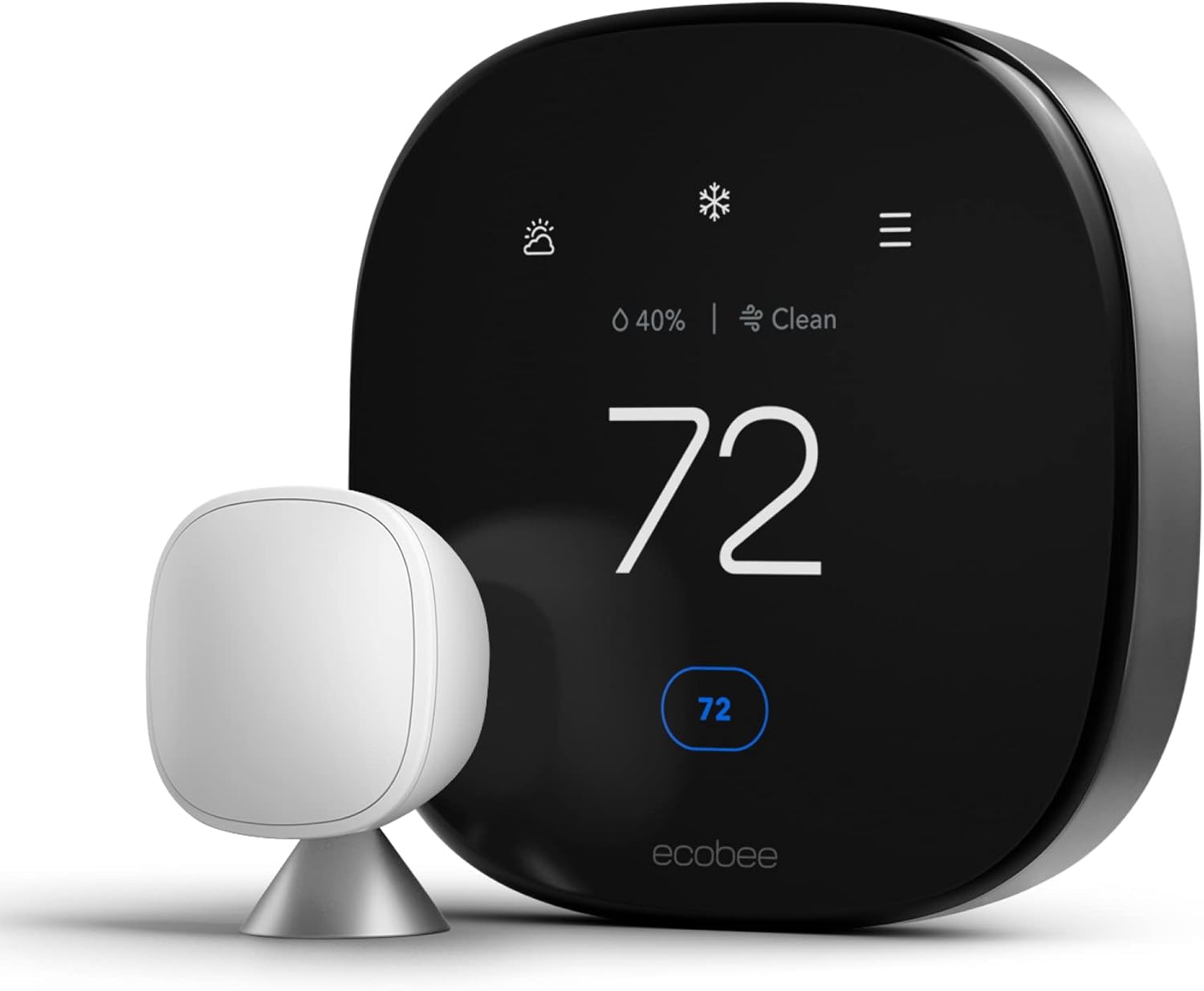
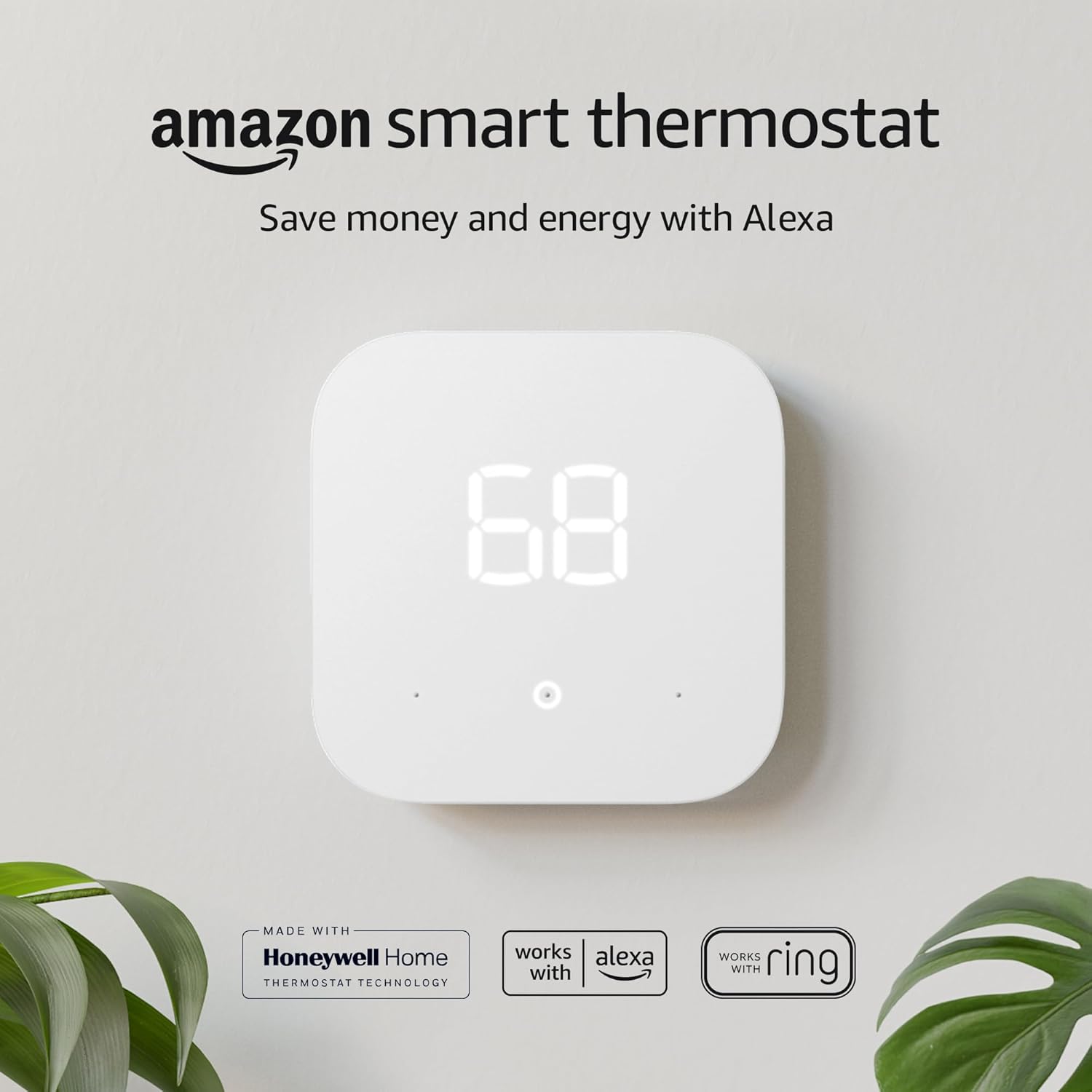
Before investing in a smart thermostat, it’s crucial to understand the basics. A standard thermostat typically has a simple interface with buttons or a dial to adjust the temperature. In contrast, a smart thermostat offers advanced features such as geofencing, voice control, and remote access through a mobile app. Popular brands like Nest, Ecobee, and Honeywell offer a range of smart thermostats with varying features and price points. When choosing a smart thermostat, consider the type of HVAC system you have, including the wiring configuration, which may include labels such as R, Rc, C, W, Y, G, and O/B.
Some key features to look for in a smart thermostat include:
- Compatibility with your existing HVAC system
- Wi-Fi or Bluetooth connectivity
- Geofencing and scheduling capabilities
- Energy usage tracking and reporting
- Integration with smart home systems and voice assistants
- Remote access and control through a mobile app
Step-by-Step Guide
Installing and setting up a smart thermostat can seem daunting, but with the right guidance, it’s a relatively straightforward process. Here’s a step-by-step guide to get you started:
- Turn off the power to your HVAC system at the circuit breaker or fuse box to avoid any electrical shocks or damage to the system.
- Remove the old thermostat by gently pulling it away from the wall, taking care not to damage the wiring. Label the wires with the corresponding labels, such as R, Rc, C, W, Y, G, and O/B, to ensure a smooth installation process.
- Identify the wiring configuration of your existing thermostat, including the labels mentioned earlier. This information will help you determine the compatibility of your HVAC system with the smart thermostat.
- Install the smart thermostat’s base plate to the wall, making sure it’s level and secure. This plate usually comes with the smart thermostat and provides a mounting point for the device.
- Connect the wires to the smart thermostat, matching the labels from your old thermostat to the corresponding terminals on the new device. For example, connect the R wire to the R terminal, and so on.
- Mount the smart thermostat to the base plate, following the manufacturer’s instructions. Make sure it’s securely attached to avoid any damage or dislodging.
- Power on the HVAC system and test the smart thermostat to ensure it’s working correctly. Check the temperature, scheduling, and geofencing features to verify proper functionality.
- Download and install the mobile app associated with your smart thermostat, and follow the in-app instructions to connect the device to your Wi-Fi network and complete the setup process.
Key Considerations
When choosing a smart thermostat, several factors come into play. Consider the following key considerations to ensure you find the right device for your home and HVAC system:
Compatibility is crucial, as not all smart thermostats work with every type of HVAC system. Check the manufacturer’s specifications to ensure the device is compatible with your system, including the wiring configuration and labels.
Energy efficiency is another important aspect, as smart thermostats can help you save energy and reduce your utility bills. Look for features like geofencing, scheduling, and energy usage tracking to optimize your heating and cooling usage.
Integration with smart home systems is a significant consideration, especially if you have an existing smart home setup. Check if the smart thermostat is compatible with popular smart home systems like Amazon Alexa or Google Assistant.
| Feature | Explanation |
|---|---|
| Geofencing | A feature that uses your smartphone’s location to determine when you’re away from home and adjust the temperature accordingly. |
| Scheduling | A feature that allows you to set temperature schedules based on your daily routine, optimizing energy usage and comfort. |
| Energy usage tracking | A feature that provides detailed reports on your energy consumption, helping you identify areas for improvement and optimize your energy usage. |
Common Problems and Solutions
While smart thermostats are designed to simplify your life, some common problems can arise. Here are a few issues and their corresponding solutions:
Connection issues: If your smart thermostat is not connecting to your Wi-Fi network, try restarting the device, checking your router’s settings, or moving the device closer to the router.
Temperature discrepancies: If your smart thermostat is not accurately reading the temperature, check the device’s calibration, ensure proper installation, and verify that the temperature sensor is not obstructed.
Compatibility issues: If your smart thermostat is not compatible with your HVAC system, consider consulting with a professional or exploring alternative devices that are compatible with your system.
Pro Tips
To get the most out of your smart thermostat, follow these pro tips:
- Regularly update your smart thermostat’s software to ensure you have the latest features and security patches.
- Use the geofencing feature to automatically adjust the temperature when you leave or arrive home.
- Take advantage of energy usage tracking to identify areas for improvement and optimize your energy consumption.
- Integrate your smart thermostat with your smart home system to create a seamless and automated experience.
FAQ
What is the average cost of a smart thermostat?
The average cost of a smart thermostat can range from $100 to $300, depending on the brand, features, and compatibility with your HVAC system.
Can I install a smart thermostat myself?
Yes, many smart thermostats are designed for DIY installation, but it’s essential to follow the manufacturer’s instructions and take necessary safety precautions to avoid any damage or electrical shocks.
Do smart thermostats really save energy?
Yes, smart thermostats can help you save energy by optimizing your heating and cooling usage, providing detailed energy usage reports, and offering features like geofencing and scheduling. According to the U.S. Department of Energy, a smart thermostat can help you save up to $150 per year on your energy bills.
Final Thoughts
In conclusion, a smart thermostat can be a valuable investment for your home, offering advanced features, energy efficiency, and convenience. By understanding the benefits, features, and potential drawbacks of smart thermostats, you can make an informed decision about whether a smart thermostat is worth it for your home in 2026. With popular brands like Nest, Ecobee, and Honeywell offering a range of devices, you’re sure to find a smart thermostat that meets your needs and budget. Remember to consider compatibility, energy efficiency, and integration with smart home systems when choosing a smart thermostat, and don’t hesitate to consult with a professional if you have any questions or concerns.
🌡️ Recommended Products
Shop the best What Is a Smart Thermostat and Is It Worth It in 2026 — vetted by our experts.
Shop Smart Thermostats on Amazon →
As an Amazon Associate, we earn from qualifying purchases.
Related Guides & Reviews
- Thermostat 2026 Smart Thermostat Rebates Ultimate Guide Savings Calculator
- Thermostat Are Wifi Thermostats Worth It A 2026 Homeowners Guide
- Thermostat Best Smart Thermostat For Energy Savings Top Picks Features
- Thermostat Comparison Nest Auto Schedule Vs Ecobee Smart Sensors
- Thermostat Do Smart Thermostats Really Save Money




 Home
Home
 Info
Info
 Compare
 Reviews
 Shop
Shop