
Is Your AC Acting Up? 7 Warning Signs of Bad Thermostat Batteries
We’ve all been there: it’s the middle of the night, freezing cold or sweltering hot, and your HVAC system suddenly decides to take a break. Before you panic and call an expensive technician, the culprit might be sitting right on your wall—and it costs less than $5 to fix.
Bad or dying batteries in your thermostat are the number one cause of unexpected heating and cooling glitches. While modern thermostats are smart, they are useless without a steady power source. Recognizing the symptoms of bad batteries early can save you from a shivering night and a hefty service call bill.
In this guide, we’ll walk you through exactly how to tell if your thermostat batteries are the problem, how to fix it, and when it might be time for an upgrade. We’ll also cover voltage testing with a multimeter, brand-specific replacement steps for Honeywell, Nest, Ecobee, and Sensi, why smart thermostats sometimes drain batteries within weeks, and how to tell when the issue isn’t really the batteries at all. By the end, you’ll have a complete diagnostic toolkit you can use the next time your thermostat starts acting strangely.

Don’t get caught without power. Stock up on long-lasting batteries today.
Check Price on AmazonTop 3 Signs (The Quick Answer)
In a rush? If you notice any of these three issues, change your batteries immediately:
- Fading Display: The numbers on the screen are dim, flickering, or completely blank.
- Lack of Response: You press buttons, but the thermostat doesn’t react or lags significantly.
- Heating/Cooling Won’t Start: The system doesn’t kick on even when the set temperature is well above or below the room temperature.
If swapping the batteries fixes these, you’re good to go. If not, read on for a deeper diagnosis.
How Thermostat Batteries Actually Work
Before we dive into specific symptoms, it helps to understand what your thermostat batteries are actually doing inside that small wall unit. This context will make every symptom we discuss later much easier to recognize and diagnose.
A traditional digital thermostat uses two AA or AAA alkaline batteries to do three primary jobs: power the LCD display and backlight, run the internal microprocessor that tracks temperature and time, and energize a small relay that opens or closes the 24V circuit going to your furnace and air conditioner. The first two jobs draw very little current. The third job—triggering the relay—is where weak batteries usually fail first. If you’re new to thermostats in general, our beginner explainer on what a thermostat actually is covers the fundamentals.
The 24V Signal Path
Your HVAC system already has its own power source: a 24V transformer mounted near the furnace or air handler. This transformer steps down 120V household current to a safer 24V signal that travels along the small wires in your thermostat. The thermostat does not use those wires for its own electronics in most older models. The R wire (red) carries 24V into the thermostat. When the thermostat decides it’s time to cool, it closes a relay that connects R to Y (yellow), sending the 24V signal back down the wire to trigger the AC compressor contactor. When it’s time to heat, it connects R to W (white). The fan is controlled by the G (green) wire.
This means the thermostat is essentially acting as a tiny computerized switch. The batteries power the brain that decides when to switch. The HVAC system itself supplies the muscle. To go deeper into how this whole signal chain works, our explainer on how thermostats work breaks it down step by step.
Why The Relay Is The First To Fail
Closing a mechanical relay requires more current than running a display. As batteries weaken, the display can still show numbers, but the magnetic coil in the relay no longer has enough push to fully close. You’ll often see a thermostat with a perfectly readable screen that simply refuses to start the furnace—because the relay click is too weak. We have a full breakdown of this exact failure pattern in our deep-dive on thermostat battery failure and relay no-start issues, which is one of the most common service calls technicians make.
Smart Thermostats Are Different
Modern smart thermostats from brands like Ecobee, Nest, and Honeywell Home don’t use disposable AA batteries the same way. Most use a built-in rechargeable lithium-ion battery that is constantly trickle-charged from either a C-wire or via “power stealing” through the heating wire when the system is idle. We dig into this further in our piece on what a battery-powered smart thermostat is—it’s a category that confuses a lot of homeowners because the term “battery powered” means something different here than on a traditional Honeywell.
In the rest of this guide, when we say “thermostat batteries,” we mean both kinds: replaceable AA/AAA cells in older units, and the rechargeable cells inside smart thermostats. The symptoms overlap surprisingly often.
7 Common Symptoms of Bad Thermostat Batteries
When batteries start to lose voltage, thermostats can behave erratically. It’s not always a simple “on or off” situation. Here are the specific symptoms to watch for, in roughly the order you’ll encounter them as batteries age.
1. The Display is Blank or Fading
This is the most obvious visual cue. Most digital thermostats, like Honeywell or Emerson models, will have a display that slowly loses contrast as power drains. If you have to squint to read the temperature, or if the backlight no longer works, your batteries are likely on their last leg. A completely blank screen usually means the batteries are dead.
Different models fade differently. Honeywell’s classic round thermostats tend to show all segments getting progressively lighter at the same time. Emerson and White-Rodgers models often lose backlight first, then start showing partial digits. Some Lux models will start displaying random characters before going dark. If your screen looks like a Picasso painting of digits, suspect the batteries first. If you’ve been shopping brands, our comparison of Honeywell vs Emerson covers the differences in how each handles low-power states.
2. Low Battery Icon Appears
Many modern units are helpful enough to tell you what’s wrong. Look for a flashing battery icon, a “Low Batt” warning text, or a red LED light flashing on the unit. Do not ignore this! It usually appears about 30-60 days before total failure.
For more specific details on icons, read our guide on thermostat low battery: fading display and relay click failure.
Different brands display the warning differently. Honeywell typically shows a small filled-in battery outline at the top of the screen. When the icon starts blinking, you have roughly 30 days before shutdown. Emerson uses the word “BATT” in the corner. Lux often uses an exclamation point next to a battery icon. Older mercury-tube thermostats obviously don’t have batteries at all, but their digital replacements virtually always do. If you’re unsure how to read the icons on your specific model, our guide on how to read a thermostat walks through the most common displays.
3. HVAC System Won’t Turn On
Your thermostat acts as the “brain” for your furnace or AC. It uses a relay to send a signal to the heating or cooling unit to turn on. When battery voltage drops, the thermostat might have enough power to keep the display on, but not enough power to trigger the relay. This results in the confusing scenario where the thermostat looks like it’s working, but you have no heat.
For more on this, check out our guide on why a thermostat says heat is on but there is no heat (24V signal vs furnace).
The same failure mode applies to cooling. If the screen says “Cool On” but no air comes out of the vents and you don’t hear the outdoor compressor kick on, the relay either isn’t closing or isn’t completing the circuit. Sometimes you can hear a faint, weak click as the thermostat tries to close the relay but fails to maintain the connection. We cover this exact pattern in can a bad thermostat cause AC not to cool and the heat-side equivalent in can a bad thermostat cause your heater not to work.
4. Erratic Temperature Readings
Are you feeling hot, but the thermostat says it’s 65 degrees? Low voltage can corrupt the internal sensors, causing the thermostat to read the room temperature incorrectly. This leads to the system running too long or not enough, making your home uncomfortable.
Sensor errors from low batteries are sometimes mistaken for thermostat placement issues. Before you blame the unit, swap the batteries and see if readings stabilize over the next 12 hours. If they don’t, the sensor itself may be failing or the unit may be installed in a location that doesn’t represent the room (over a heat vent, in direct sunlight, near a frequently opened door). Our explainer on why a thermostat shows the wrong room temperature covers all the major causes.
5. Program Settings Are Lost
Programmable thermostats rely on batteries to retain memory during power fluctuations. If your batteries are weak, the device might reset itself to factory defaults (often 70 degrees or similar) unexpectedly. If you find your schedule wiped out, replace the batteries first.
This symptom is particularly common after a brownout or short power outage. When the 24V supply briefly drops, the thermostat falls back to battery power for memory retention. Strong batteries hold the schedule indefinitely; weak batteries can lose it after a few seconds. If you find yourself reprogramming your weekly schedule more than once a year for no obvious reason, your batteries are almost certainly the cause. After replacing them, you can use our guide on how to set, change, lock, and reset your thermostat to get your schedule back in shape quickly.
6. The System Short Cycles
Short cycling is when your AC or furnace turns on, runs for a few minutes, turns off, and then repeats the process rapidly. While this can be caused by a dirty filter or a bad thermostat, weak batteries often cause the control signals to fluctuate, confusing the HVAC equipment.
Short cycling caused by batteries usually presents as 1-3 minute on cycles followed by similarly short off cycles. The thermostat thinks the room has reached temperature because the voltage drop affected the temperature reading, then realizes it hasn’t, then turns the system back on. This is hard on your compressor and can dramatically reduce its lifespan. Our diagnostic flowchart for thermostat not reaching set temperature covers cycling issues in detail.
7. Unresponsiveness
If you press the temperature “Up” button and nothing happens for 5 seconds, or if the interface feels sluggish, the processor inside isn’t getting adequate voltage.
Touchscreen models from Sensi, Ecobee, and Honeywell can also become hyper-sensitive or completely unresponsive when battery voltage dips. Touch input requires precise voltage measurement on the capacitive sensors, so even small drops can produce phantom touches or missed presses. If your touch thermostat suddenly stops registering taps reliably, suspect the batteries before you assume the screen is failing. For Sensi-specific help, see our guide on why is my Sensi thermostat not working.

Tired of changing batteries? Upgrade to a smart thermostat with a C-wire adapter.
Check Price on AmazonStep-by-Step Battery Replacement Guide
Replacing thermostat batteries is one of the easiest home maintenance tasks you’ll ever do. Most homeowners can do it in under five minutes with no tools. Here’s the universal process that works for almost every brand on the market today.
What You’ll Need
- Two fresh AA or AAA alkaline batteries (check your model first)
- A clean dry microfiber cloth
- A cotton swab and a small amount of white vinegar (only if there’s corrosion)
- A pen and paper to note your current schedule (just in case)
Step 1: Note Your Current Settings
Before you do anything, take a quick photo of your thermostat screen. If you have a programmable schedule, write down the times and temperatures. Most modern thermostats hold settings for 30-60 seconds during a battery swap, but this is your safety net in case yours doesn’t.
Step 2: Remove The Faceplate
For most Honeywell, Lux, and Emerson models, you simply pull the faceplate straight off the wall. It’s held on by friction-fit pins—no screws involved on the face itself. Some models have a small tab at the bottom or top that releases the cover. If yours doesn’t pull off easily, look around the edges for a release tab before you tug harder.
Some smart thermostats like Nest and Ecobee require you to gently pull the entire display unit straight off its base. Don’t twist—pull straight. The display assembly contains the battery (rechargeable) along with the electronics; the wires stay connected to the base on the wall. For step-by-step Honeywell battery replacement specifically, our walkthrough on how to replace the battery in a Honeywell thermostat covers every common model.
Step 3: Inspect The Battery Compartment
Before removing the old batteries, look at the compartment. Are there any signs of leaking? White, blue, or green crusty deposits indicate alkaline battery leakage. Black sticky residue might indicate burned-out batteries from a short. If you see any corrosion, do not just swap batteries—you need to clean the contacts first (see the leakage prevention section below).
Step 4: Remove The Old Batteries
Pop them out gently. Don’t pry with metal tools, which can scratch contacts. If they’re stuck, try gently rocking them side to side. Dispose of old batteries properly—most hardware stores have free battery recycling drop-offs, and many municipalities have specific battery disposal rules.
Step 5: Install The New Batteries
Match the polarity carefully. The “+” end of each battery must align with the “+” symbol in the compartment. Reversing polarity can damage the thermostat or cause it to behave erratically. Press the batteries firmly into place so the contacts are fully seated.
Step 6: Reinstall The Faceplate
Line up the pins (or for Nest/Ecobee, the connector plugs) and press firmly until you hear a soft click. The display should illuminate immediately. If it doesn’t, take the faceplate off and reseat the batteries—one of the contacts may not be fully engaged.
Step 7: Verify Operation
Set the thermostat 5 degrees above or below the current room temperature, depending on the season. Within 30 to 60 seconds, you should hear the relay click and feel air starting to flow through the vents. If everything works, you’re done. If not, see the troubleshooting section.
Brand-Specific Battery Instructions
Different manufacturers handle batteries in slightly different ways. Here are quick instructions for the most common brands, including what to expect after a replacement.
Honeywell Thermostats
Honeywell is the most common brand in North America, and battery replacement varies by model. The classic round T87 doesn’t use batteries at all—it’s a mercury bulb model. The popular Pro 1000, Pro 2000, Pro 3000, RTH2300, RTH2410, RTH6500, RTH7500, RTH8500, and similar digital models all use two AA alkaline batteries housed in a compartment behind the faceplate. The newer T9 and T10 Pro use C-wire power primarily but include backup batteries. Our deep-dive on Honeywell T9 vs T10 Pro IAQ wiring compares the two flagship models in detail, and our Honeywell Home T9 review covers real-world performance.
If your Honeywell needs a reset after battery replacement (rare but possible), our guides on how to reset a Honeywell thermostat and how to reset a Honeywell thermostat with no reset button cover every common model. For general adjustment after a swap, see how do you adjust a Honeywell thermostat. Wondering how long Honeywell units last in the first place? Our piece on how long do Honeywell thermostats last has the answer.
Google Nest Thermostats
Nest thermostats use a built-in rechargeable lithium-ion battery, not replaceable AA cells. The battery charges from your HVAC system either through a C-wire (preferred) or via “power stealing” from the W or Y wires when those circuits are idle. Power stealing works for many systems but can cause issues with high-efficiency furnaces and heat pumps.
If your Nest is showing low-battery warnings, the issue is almost always one of three things: (1) a missing C-wire, (2) a power-stealing conflict with your specific HVAC system, or (3) a failing internal battery after years of use. The most common fix is to install a C-wire or a C-wire adapter. We compare power approaches in Nest vs Sensi: power stealing vs battery backup, and our reviews of the Nest Learning Thermostat power stealing and C-wire fixes cover the common quirks.
For deeper Nest content, see our piece on why a thermostat is not charging—Nest is the most common subject of that complaint.
Ecobee Thermostats
Ecobee thermostats require a C-wire (or a Power Extender Kit, called a PEK, that comes in the box for the Ecobee3 Lite, Smart Thermostat with Voice Control, and Smart Thermostat Premium). They do not use replaceable batteries at all, and they don’t typically rely on power stealing.
If you’re seeing battery-style symptoms on an Ecobee—blank display, factory reset, intermittent operation—it’s almost always a wiring issue, not a battery issue. The most common cause is a loose or improperly installed PEK at the furnace end. Our review of the Ecobee3 Lite PEK C-wire installation walks through the exact wiring steps. If you’re upgrading from a Honeywell, see our switching guide on how to switch out an HZ311 thermostat for an Ecobee thermostat.
Sensi Thermostats
Sensi thermostats from Emerson are unusual in the smart thermostat category because most models still use replaceable AA batteries even with WiFi connectivity. The original Sensi WiFi Thermostat (model 1F87U-42WF) and the Sensi Touch can both run on batteries alone for around a year, or indefinitely with a C-wire. The newer Sensi Touch 2 has additional features but follows the same battery setup. Our Sensi Touch review covers the C-wire stability story in detail.
For Sensi-specific resets, see our guide on how to reset your Sensi thermostat. For comparisons, our Sensi thermostat vs Ecobee comparison covers which one fits which type of home.
Other Brands
Lux, Orbit, Wyze, Govee, Mysa, Hive, Tado, and Drayton all have their own quirks. The Lux TX9600 series uses two AA batteries with a unique low-power chip. The Wyze and Govee budget models often share design DNA—we compare them in our Wyze vs Govee best budget thermostat for hot and cold rooms roundup. The Lux TX9600TS and Orbit Clear Comfort lineup both target similar buyers; we cover that in our Lux TX9600TS vs Orbit Clear Comfort energy savings piece.
For brands focused on European hydronic and electric baseboard systems, our Mysa vs Sinope electric baseboard thermostat guide and our Mysa smart thermostat baseboard heaters review cover the specifics.
Voltage Testing With A Multimeter
If you want to confirm whether your batteries are actually weak before you swap them, a $15 digital multimeter from any hardware store will tell you definitively in 30 seconds. This is also useful when you suspect a deeper electrical issue.
How To Test AA/AAA Batteries
Set your multimeter to the “DC Voltage” setting, usually marked with a “V” and a straight line above a dashed line. Choose the 2V or 20V range. Touch the red probe to the positive end of the battery and the black probe to the negative end.
A fresh alkaline battery should read between 1.5V and 1.6V. A battery at 1.4V is still usable in most devices but is approaching the warning threshold for a thermostat. At 1.3V, the thermostat will likely show a low-battery warning. Below 1.2V, you’ll see significant operational issues. Below 1.0V, the relay will fail to close.
Testing Battery Pack Voltage
Two AA batteries in series should produce 3.0V to 3.2V when fresh. If your pack is reading less than 2.6V combined, replace both batteries. Don’t ever replace just one—mixing fresh and partially used batteries causes the older one to drag down the new one rapidly, and can even cause leakage.
Testing The 24V Signal
If you suspect the issue is bigger than batteries, you can also test whether your HVAC transformer is delivering proper voltage. Pull the thermostat off its base and use the multimeter to measure between the R wire and the C wire (if you have one). You should see 24V to 28V. If you see less than 22V, your transformer is failing or undersized for your system. We cover this scenario in our deep-dive on thermostat rebooting when AC turns on: voltage drop and transformer load.
If you’ve never looked at thermostat wiring before, our complete thermostat wiring guide shows what each wire does and how to identify them. If you want to know whether your wiring is line-voltage or low-voltage (a critical distinction before any testing), see our line voltage vs low voltage thermostat 2-minute wiring test.
Troubleshooting: Is It Batteries or the Thermostat?
Sometimes fresh batteries don’t solve the problem. Here is how to differentiate between a battery issue and a broken unit.
| Symptom | Likely Battery Issue | Likely Broken Thermostat |
|---|---|---|
| Screen | Faded or flashing icon | Broken segments or dead pixels even with new batteries |
| Behavior | Sluggish response | Clicking sound but no system activation |
| Reset | Works after battery swap | Requires hard reset or wiring fix |
| Persistence | Resolves within minutes | Returns within hours or days |
| Multiple Modes | Heat and cool both fail | Only one mode (heat OR cool) fails |
| Click Sound | Weak or no click from thermostat | Strong click but no HVAC response |
Pro Tip: Before assuming the thermostat is broken, ensure the battery terminals are clean. Corrosion (white crusty powder) can block power flow. Clean it carefully with a cotton swab dipped in white vinegar.
The Click Test
Here’s a free diagnostic that takes 30 seconds. With fresh batteries installed, set the thermostat to call for heat. Press your ear close to the unit and listen carefully when the call begins. You should hear a small but distinct click as the relay closes.
- Strong click but no HVAC response: The thermostat works. Problem is downstream—wiring, transformer, blower, furnace, or AC unit.
- Weak click or no click at all: The thermostat itself isn’t completing the circuit. Either batteries are still weak, the relay is failing, or the unit is broken.
- Click followed by HVAC briefly running, then stopping: Likely a wiring or short cycling issue, not a thermostat issue.
For the “click but no start” pattern specifically, our deep-dive on why is my thermostat clicking but not turning on walks through every possible cause.
The Blow-Dryer Test
If your thermostat keeps switching modes erratically (heat to cool to heat), gently warm and cool the area around the temperature sensor with a hairdryer (warm setting only) and then with a fan, watching how the displayed temperature responds. If the readings respond appropriately, the sensor is fine and your batteries are likely the cause. If the readings stay frozen or jump randomly, the sensor itself is failing. We cover the mode-switching issue specifically in why your thermostat keeps switching from heat to cool.
If you suspect the unit is actually dead, read our guide on how to tell if your thermostat is bad.
Best Batteries for Thermostats
Not all batteries are created equal, especially for low-drain devices like thermostats. Using the wrong type can lead to faster depletion or leakage.
Alkaline (AA or AAA)
These are the standard recommendation for 90% of thermostats (Honeywell, Emerson, etc.). They provide a steady voltage drop-off, which allows the “Low Battery” indicator to function correctly.
Within the alkaline category, brand quality matters more than most homeowners realize. Duracell Coppertop and Energizer Max are the gold standards. They have rigorous quality control, leak-resistant seals, and consistent voltage curves. Generic dollar-store alkaline batteries often skip those quality steps. Cheap batteries leak at roughly 5-10x the rate of premium brands, and a single leak can destroy the contacts inside your thermostat permanently. The cost difference between a name-brand 8-pack and a generic one is often less than $3—a tiny insurance premium for a $200+ thermostat.
Lithium Batteries
While lithium batteries last longer, they are not recommended for some older thermostats. Lithium batteries maintain a high voltage until they die suddenly. This means you might not get a “Low Battery” warning—your heat will just stop working one day. Check your manual before using these.
Most modern thermostats from 2018 onward have updated their voltage detection algorithms to work with lithium batteries, but pre-2018 units often rely on the gradual voltage decline of alkaline cells to predict end-of-life. If you have a Honeywell from before 2018 or an Emerson from before 2017, stick with alkaline. Newer Sensi, Honeywell T-series, and Lux Kono models support lithium without issue.
Rechargeable (NiMH)
Avoid these. Rechargeable batteries have a lower starting voltage (1.2V vs 1.5V). Your thermostat might think the battery is already low the moment you put them in.
Even the best premium rechargeables like Eneloop or AmazonBasics rechargeables top out at 1.3V freshly charged, which is below the threshold most thermostats use to indicate a “good” battery. The thermostat will treat them as if they’re already partially drained. You’ll get inconsistent operation from day one, and a battery icon that never fully clears.
Battery Comparison Table
| Battery Type | Voltage | Life In Thermostat | Recommendation |
|---|---|---|---|
| Premium Alkaline (Duracell/Energizer) | 1.5V | 10-14 months | ★★★★★ Best Choice |
| Generic Alkaline (Store Brand) | 1.5V | 4-8 months | ★★ Risky—Leak Prone |
| Lithium (Energizer Ultimate) | 1.5V | 18-24 months | ★★★★ For Modern Units Only |
| NiMH Rechargeable | 1.2V | 2-4 months (false low) | ★ Avoid |
| “Heavy Duty” Carbon-Zinc | 1.5V | 2-3 months | ★ Avoid—High Leak Risk |
Looking for a hassle-free option? See our list of the best battery-powered smart thermostats available today.

Switch to a Google Nest and monitor your system health directly from your phone.
Check Price on AmazonC-Wire vs. Battery Power: Why It Matters
Every modern thermostat conversation eventually comes back to the C-wire. Understanding what it is, why it matters, and whether you have one is the single biggest factor in whether you’ll be replacing batteries every year or never thinking about them again.
What Is A C-Wire?
The C-wire (“Common wire”) is a dedicated wire that completes the 24V circuit between your HVAC’s transformer and your thermostat, providing constant power to the thermostat itself rather than just signal control. With a C-wire, the thermostat draws all the power it needs directly from the HVAC system, and the batteries (if any) only serve as backup during power outages.
Most homes built before 2010 don’t have a C-wire installed by default. The original thermostats only used R, W, Y, and G—four wires for four functions. Smart thermostats need continuous power for their WiFi radios, displays, and motion sensors, which the four-wire setup can’t always provide.
How To Tell If You Have A C-Wire
Pull the faceplate off your current thermostat and look at the terminal block. If you see a wire connected to a terminal labeled “C” or “Common,” you have one. If you see an unused wire stuffed behind the thermostat (any color but typically blue), it might be a C-wire that was never connected. Our 2-minute test in line voltage vs low voltage thermostat can help you confirm what you’re looking at.
For homeowners who want to upgrade but aren’t sure if their wiring supports it, our complete guide on is your thermostat compatible with your furnace walks through every wiring scenario.
Power Stealing And C-Wire Adapters
If you don’t have a C-wire, you have three options: install one yourself if you can run the wire, hire an electrician or HVAC tech, or use a workaround. The two most common workarounds are:
- Power Stealing: Used by Nest. The thermostat takes small amounts of power from the W or Y wire when those circuits are idle. Works for most basic systems but can cause issues with high-efficiency furnaces, heat pumps, and zoned HVAC.
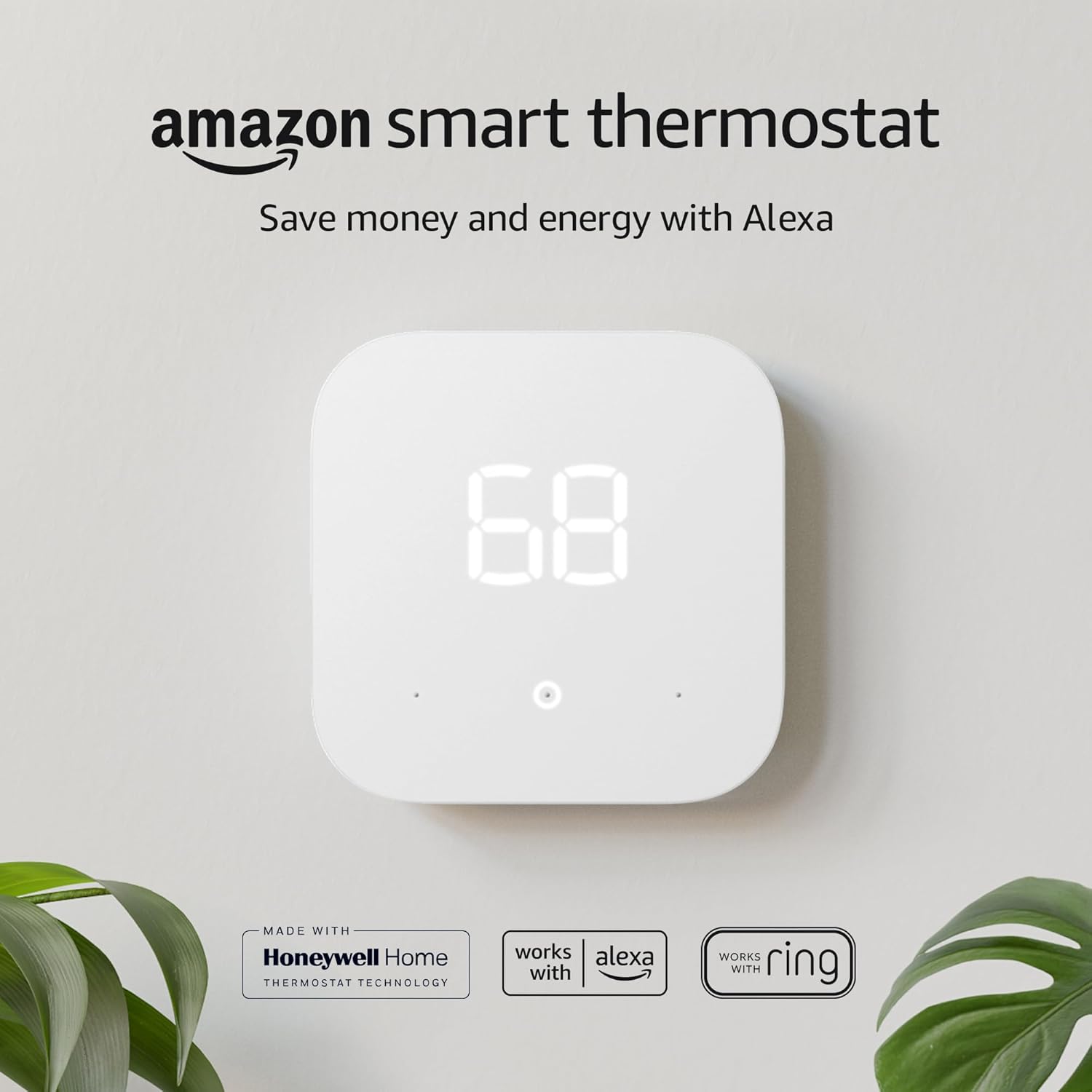
- C-Wire Adapter (PEK): Used by Ecobee and the Amazon Smart Thermostat. A small box installed at the furnace converts the existing 4-wire setup into something that delivers steady power to the thermostat. We compare both in our Amazon Smart Thermostat vs Ecobee Premium C-wire adapter piece.
Will A C-Wire Eliminate Battery Issues Forever?
Mostly yes. With a C-wire, your thermostat will only fall back to battery power during a complete HVAC outage—a blown 24V fuse, a tripped breaker, or a system replacement. Under normal conditions, the C-wire keeps the thermostat fully powered and the batteries serve only as a brief backup. You can typically go 3-5 years between battery changes in this configuration, sometimes longer.
If you’re shopping for a smart thermostat and worried about battery hassles, our piece on key features to compare when buying a smart thermostat covers what to look for, and our explainer on how smart thermostat connectivity works gets into why constant power matters more than you’d think.
Smart Thermostat Battery Issues: A Different Animal
If you have a Google Nest, Ecobee, Honeywell Lyric, or any other smart thermostat, “battery issues” can present very differently than they do on a traditional unit. Here’s what to watch for and how to fix the most common problems.
The Nest “No Power To RH” Error
This is the single most common smart thermostat error code, and it almost always traces back to power management problems. The error appears when the Nest’s internal battery has dropped below the minimum threshold needed to operate, even though the display might still be working. Our deep-dive on why a thermostat is not charging covers the most common causes and fixes for this issue.
The fix is almost always: install a C-wire or C-wire adapter. Power stealing simply isn’t reliable enough for many modern HVAC systems, especially those with variable-speed blowers or two-stage cooling. If you’re using a Nest with a heat pump or a high-efficiency furnace and seeing battery warnings, your fix is hardware, not software.
The Ecobee “Power Issue Detected” Warning
Ecobee will display this warning when its built-in battery isn’t charging properly, which typically means the C-wire or PEK isn’t delivering steady voltage. Causes include: a loose PEK terminal, a corroded R wire connection, a failing 24V transformer, or a poor connection at the thermostat itself. Our review of Amazon Smart Thermostat C-wire adapter installation applies similar logic since both brands use comparable PEK boxes.
The Sensi WiFi Disconnect Loop
Sensi thermostats running on AA batteries alone (no C-wire) sometimes enter a frustrating loop where they connect to WiFi, drain the batteries faster than expected, drop offline, and then take days to be discovered as “low battery.” If you have this issue, the long-term fix is C-wire installation. Our guide on why is my Sensi thermostat not working covers other possible causes.
Why Smart Thermostats Use More Power
A traditional thermostat sips power. A smart thermostat with a 3.5-inch color touchscreen, dual-band WiFi radio, multiple proximity sensors, optional remote sensor receiver, and Bluetooth or Thread radio for accessory pairing draws roughly 100-300 times more current than its dumb predecessor. That power has to come from somewhere. The C-wire delivers a steady 24V trickle. Without it, the thermostat is essentially trying to power a small computer from two AA batteries.
For homeowners who want smart features without C-wire installation hassles, our roundup of the best battery-powered smart thermostats highlights units engineered specifically for battery-only operation.
Seasonal Battery Performance
Thermostat batteries don’t drain at the same rate year-round. Several seasonal factors influence their lifespan, and understanding these can help you anticipate replacements before they cause problems.
Winter Drains Batteries Faster
Cold temperatures slow the chemical reactions inside an alkaline battery, reducing the available current. A battery that tested fine at room temperature may struggle to close a relay when the room drops to 60°F overnight. This is the most common reason “good” batteries seem to fail unexpectedly during a cold snap.
If you live in an area with cold winters, plan to swap batteries in late October or early November before the first deep freeze. Even premium alkaline batteries lose roughly 20-30% of their effective output below 50°F, so the safety margin you have at room temperature can disappear quickly during a January cold snap. For winter-specific thermostat advice, see our piece on recommended thermostat settings for winter.
Summer Heat Affects Different Brands
Hot temperatures (above 95°F at the thermostat itself) can accelerate battery self-discharge. This rarely matters in a climate-controlled home, but if you keep your house warm during vacations or have a thermostat in a sunny location, you can lose 1-2 months of battery life per summer. If you’ll be away from home for an extended period, check our advice on what temperature to set your thermostat when on vacation in winter to plan your settings.
Seasonal Use Patterns Matter Too
If your thermostat triggers heating or cooling 8-10 times per day in summer or winter peak season, batteries drain faster than during shoulder seasons (April-May and September-October) when the system runs less. The more often the relay closes, the more power is drawn from the batteries—each relay closure is the most current-intensive operation a thermostat performs.
The Best Time To Swap Batteries
Two perfect “battery swap” anchors per year:
- Daylight Saving Time changes (March and November): Same logic as smoke detectors. You’re already adjusting clocks; swap batteries while you’re thinking about it.
- HVAC seasonal switchover: When you transition from heating to cooling (typically April-May) or cooling to heating (typically September-October), use the changeover as a reminder.
Even one swap per year is plenty for most households. The goal isn’t to maximize battery life—it’s to never get caught unprepared.
Battery Leakage: How To Prevent And Fix It
Battery leakage is the silent killer of thermostats. A leaking battery releases potassium hydroxide, which is highly corrosive and conducts electricity poorly. Once it gets onto the contacts and circuit board, it can ruin the thermostat permanently.
Why Batteries Leak
Alkaline batteries leak when their internal chemistry is exhausted and the seal fails. Modern premium batteries from Duracell and Energizer are designed to resist leaking even after they’re fully drained, but no battery is leak-proof forever. Common triggers include:
- Leaving dead batteries installed for months or years
- Exposure to extreme heat (above 100°F)
- Mixing different battery brands or different ages in the same compartment
- Using cheap “heavy duty” carbon-zinc batteries (high leak rate)
- Manufacturing defects (rare with name brands, common with no-name brands)
How To Spot Leakage Early
Pull your thermostat off the wall once a year and look at the battery compartment. Signs of leakage include:
- White, blue, or green crusty deposits on the battery casing or contacts
- A clear, oily-looking residue around the negative end of the battery
- Discoloration on the metal contacts (browning or pitting)
- A faint chemical smell when you open the compartment
How To Clean Up Leakage
- Remove batteries (wear gloves—the residue is mildly caustic)
- Dab a cotton swab in white vinegar (the mild acid neutralizes alkaline residue)
- Gently scrub the contacts and surrounding plastic
- Wipe with a clean dry cloth or paper towel
- Let the compartment air dry for 30 minutes
- Install fresh premium-brand batteries
If the corrosion has eaten through the metal contacts (you’ll see pitting or holes), you may need a replacement thermostat. The cost of a $40 thermostat is much less than continuing to fight bad contacts. For guidance on when replacement makes more sense than repair, see our breakdown of how do I know if I need a new thermostat.
Prevention Checklist
- Change batteries on a yearly schedule, not when they fail
- Always replace both batteries at once, never one at a time
- Always use the same brand and same fresh batch
- Buy from a reputable retailer (avoid suspiciously cheap multipack deals)
- Store spare batteries in a cool dry place, not in a hot garage
Cost Analysis: Replace Batteries Or Replace The Thermostat?
If you’re replacing batteries every 6 months on a 12-year-old thermostat, you may actually be losing money compared to upgrading. Here’s a quick framework for deciding when to invest in a new unit.
Cost Of Battery Replacements Over Time
Premium AA batteries cost roughly $1 each. If you replace two batteries once a year, that’s $2 annually. If you have 3 thermostats in a multi-zone home, that’s $6 a year. Over 10 years, you’ll spend $60 on batteries—not exactly bank-breaking. But add in the inconvenience of finding out about a dead battery in the middle of January, plus the cost of one emergency HVAC service call ($150-$300), and the math shifts.
Cost Of A New Thermostat
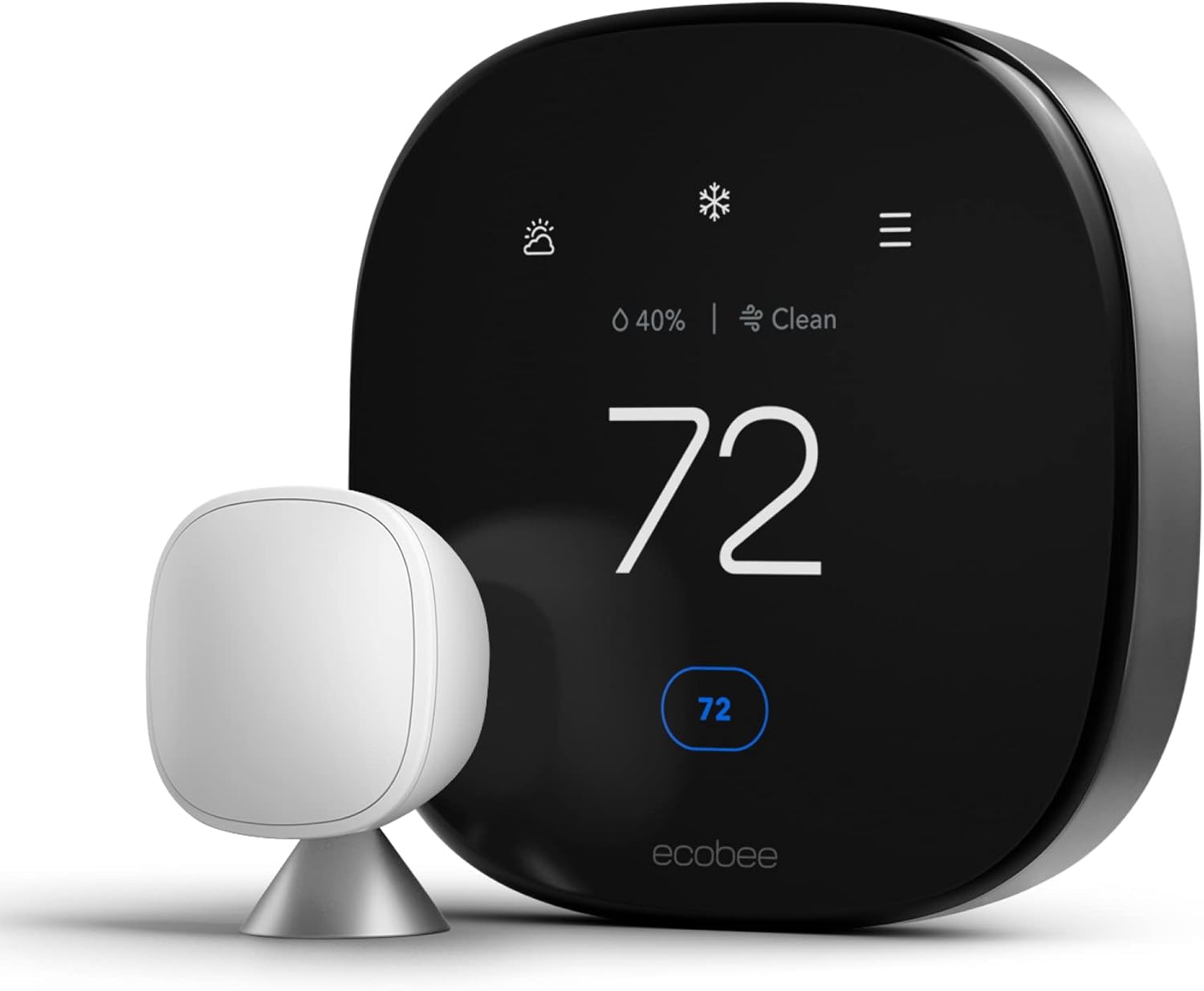
A solid traditional digital thermostat runs $30-$60. A basic smart thermostat costs $80-$150. A premium smart thermostat with all the features costs $250-$300. The Amazon Smart Thermostat is the budget standout at around $80, while the Ecobee Premium tops the lineup at around $250. For deeper analysis of price tiers, our roundup of smart thermostats under $50 with Alexa and C-wire options covers the budget end thoroughly.
Energy Savings Math
A smart thermostat with adaptive learning, geofencing, and remote sensors typically saves 10-15% on annual heating and cooling costs. For a household spending $1,500 a year on HVAC, that’s $150-$225 in annual savings—enough to pay for the thermostat itself in 1-2 years. Our research-based piece on do smart thermostats really save money digs into the actual savings data, not just marketing claims.
For real-world rebate options that can offset the upgrade cost, our 2026 guide to smart thermostat rebates with savings calculator covers utility programs by state and brand. And if you’re not sure smart features are worth it for your home, our piece on are WiFi thermostats worth it: a 2026 homeowner’s guide walks through the value proposition honestly.
HVAC System Cost Considerations
If you’re considering a thermostat upgrade as part of a broader HVAC project, our cost guides for HVAC system replacement, furnace replacement, and AC unit installation can help you plan a coordinated upgrade.
Decision Framework
- Thermostat is less than 5 years old, batteries last a year: Keep it. Just swap batteries annually.
- Thermostat is 5-10 years old, batteries last 6+ months: Keep it for now, but plan an upgrade in the next 1-2 years.
- Thermostat is more than 10 years old: Replace it. Modern units are more accurate and save 10-15% on energy.
- Batteries die in less than 3 months: Investigate before replacing. The issue may be a short circuit, a failed cap, or extremely high humidity.
- You want remote control or learning features: Upgrade to smart, regardless of current unit’s age.
Energy Impact Of Bad Batteries
It’s tempting to think a few percent voltage drop won’t really matter to your energy bill, but the cumulative effect of inaccurate temperature sensing and short cycling can add up fast.
Inaccurate Sensors = Wasted Cycles
If your thermostat is reading 68°F when the room is actually 70°F, your heater will run an extra 30-60 minutes per day in winter. Over a 6-month heating season, that’s roughly 90-180 extra hours of furnace operation. At 50,000 BTU per hour for an average natural gas furnace, that translates to 4.5 to 9 million BTU of wasted gas—roughly $40-$90 per year just from a 2-degree sensor drift. The fix? Fresh batteries.
Short Cycling Damages Compressors
The startup cycle of an air conditioner compressor is the most stressful operation it performs. Each startup draws 3-7x the running current, generates heat, and stresses internal seals. A compressor designed for 6-8 startups per hour during peak summer days is fine. A compressor doing 20+ startups per hour because the thermostat is misreading temperatures will fail in 5-7 years instead of 12-15. The cost of a new compressor is $1,500-$3,000 installed.
For deeper energy efficiency strategies that go beyond the thermostat itself, our piece on HVAC energy efficiency tips covers ductwork, insulation, filter timing, and other complementary improvements. And if you want to know specifically how much electricity your thermostat fan setting actually uses, our piece on how much electricity does the fan on the thermostat use breaks it down.
Lost Programmability Means Lost Savings
If your batteries are weak enough that your thermostat occasionally loses its programming, you’re losing the energy savings that programming was designed to deliver. A typical 7-day program saves 8-15% by reducing temperatures during sleep hours and unoccupied work hours. Lose that 4-5 times a year and you’re paying for it in higher bills. To set a really effective schedule, see our guides on recommended thermostat settings for winter and the ideal room temperature for sleeping.
Smart Features Multiply Savings
If you’re considering an upgrade, modern smart features add even more savings. Our piece on what is thermostat adaptive learning explains how Nest and Ecobee learn your patterns, while what is a geofencing thermostat covers automatic away-mode triggers. The home/away feature alone can save 8-10% more than a basic schedule. And what is a thermostat remote sensor covers how second-room sensors prevent the issue of “thermostat is hot, bedroom is cold.”
For the absolute best smart thermostat for energy savings, our roundup of best smart thermostat for energy savings: top picks and features ranks the leading options.
Preventative Maintenance Tips
To ensure your home stays comfortable year-round, follow these simple maintenance steps:
- Annual Swap: Change batteries once a year, even if they aren’t dead. A good time to do this is when you change your clocks for Daylight Savings or when you switch from heating to cooling.
- Check Corrosion: Inspect the battery compartment for leaks every time you change them.
- Use High-Quality Brands: Stick to Duracell or Energizer. Generic “heavy duty” batteries often leak and ruin the circuit board.
- Consider a C-Wire: If your home is wired for it, a “Common Wire” (C-Wire) provides constant power from your HVAC system, using batteries only as a backup. This is crucial for WiFi thermostats.
- Clean The Thermostat Annually: Dust accumulates on the internal sensors over time, throwing off temperature readings. Once a year, gently clean the inside of the thermostat with a soft brush or canned air.
- Verify Calibration: Place an accurate digital thermometer next to the thermostat. The readings should match within 1-2 degrees. If they don’t, your sensor needs cleaning, calibration, or replacement.
- Update Firmware (Smart Models): If you have a smart thermostat, check for firmware updates every few months. Some battery management improvements come through software, not hardware.
- Schedule Annual HVAC Service: A spring tune-up by a licensed HVAC technician will catch transformer issues, low-voltage wiring problems, and short cycling causes that may be unfairly blamed on the thermostat.
If you are a landlord, you might want to look into the best smart thermostats for rental properties to monitor battery levels remotely. For renter-friendly versions with PIN range limits, see our roundup of programmable thermostats with keypad lock.
The 5-Minute Annual Inspection
Once a year, do this complete thermostat health check:
- Turn off HVAC at the breaker
- Remove the faceplate
- Photograph the wiring (for reference if you upgrade later)
- Check for dust, debris, and corrosion
- Test battery voltage with a multimeter
- Replace batteries with fresh premium alkaline
- Wipe down the screen and surrounding area
- Reattach the faceplate
- Turn the breaker back on
- Verify heating and cooling both engage correctly
Total time: 5-7 minutes. Cost: $2 in batteries. Peace of mind: priceless.
Real-World Scenarios: What Bad Batteries Look Like
Sometimes the easiest way to recognize battery issues is to read about other people who’ve been there. Here are five common scenarios homeowners face, and how to diagnose each one quickly.
Scenario 1: “It Was Working Yesterday”
You wake up to a cold house in the middle of January. The thermostat display is dim but readable. You set the temperature higher; the screen acknowledges the change but nothing happens. The room stays cold.
Diagnosis: Classic relay failure from low batteries. The display has just enough voltage to function, but the relay coil needs more current than the batteries can deliver. The cold weather makes it worse because alkaline batteries lose 20-30% of their effective output below 50°F.
Fix: Replace both batteries with fresh premium alkaline cells. Verify operation within 60 seconds. If this happens repeatedly, install a C-wire or upgrade to a model with one. Our deep-dive on why a thermostat doesn’t start the furnace covers all the related causes.
Scenario 2: “The AC Won’t Stop Running”
It’s August. Your AC has been running for hours but the house still feels warm. The thermostat says 72°F, but a separate thermometer shows 78°F.
Diagnosis: Sensor inaccuracy from low voltage. The thermostat thinks the room is at 72°F (its programmed setpoint) and is calling for cooling, but the actual temperature is much higher. The AC is running constantly because the thermostat can never “see” the room reach its target.
Fix: Replace batteries and verify the displayed temperature matches a separate thermometer within 1-2 degrees. If the discrepancy persists with fresh batteries, your sensor is failing or the thermostat is poorly placed. See our piece on why a thermostat shows the wrong room temperature for placement and calibration help.
Scenario 3: “It Keeps Resetting Itself”
You’ve programmed your thermostat for an energy-saving schedule three times this month, but every few days it’s back to factory defaults. Your weekly schedule keeps getting wiped out.
Diagnosis: The capacitor that retains memory during brief power dips needs more battery support than the current cells can provide. Each minor brownout wipes the schedule because the batteries are too weak to bridge the gap.
Fix: Replace batteries immediately. Reprogram the schedule using our guide on how to set, change, lock, and reset your thermostat. If resets continue with fresh batteries, the internal capacitor or memory chip may have failed, suggesting it’s time for a new unit.
Scenario 4: “It Clicks But Nothing Happens”
You can hear a faint click from the thermostat when you set it to call for heat, but the furnace doesn’t respond. The screen looks fine. The HVAC system is otherwise working—you can confirm this by manually triggering it at the furnace.
Diagnosis: The relay click is occurring but the contact isn’t strong enough to fully energize the circuit. This is the textbook intermediate stage of battery failure—powerful enough to attempt the action, not powerful enough to complete it.
Fix: Replace batteries. If the issue persists, the relay itself may be worn (common on units 10+ years old). Our diagnostic on why is my thermostat clicking but not turning on walks through every possible cause.
Scenario 5: “Brand New Batteries, Same Problem”
You replaced the batteries with fresh Duracells yesterday. The thermostat is still acting up. Same symptoms as before.
Diagnosis: The batteries weren’t the actual problem. Possible causes include: a failed transformer (low 24V supply), corroded thermostat contacts, damaged wiring between thermostat and HVAC, a tripped low-voltage fuse at the furnace, a failing relay inside the thermostat, or a unit reaching end-of-life.
Fix: Use a multimeter to test the 24V supply at the thermostat (between R and C if you have a C-wire). If voltage is below 22V, the transformer or fuse is suspect. If voltage is normal, the thermostat itself is failing. See our master guide on how to tell if your thermostat is bad: 12 symptoms, tests, and real fixes.
Scenario 6: “WiFi Smart Thermostat Goes Offline Every Few Days”
Your Sensi or Honeywell Lyric goes offline every few days. You log into the app, find it disconnected, and reconnect it manually. A week later, it happens again. Battery icon shows half-full but you replaced the batteries last month.
Diagnosis: Smart thermostats running on AA batteries alone (no C-wire) can struggle to keep their WiFi radio powered consistently. The WiFi radio is the most power-hungry component, and small voltage dips cause disconnection cascades.
Fix: Install a C-wire or C-wire adapter. This is the only permanent solution. Replacing batteries more often is a temporary workaround that won’t solve the underlying issue. Our piece on how smart thermostat connectivity works explains why power matters as much as router placement.
Scenario 7: “Heat Pump Won’t Switch Modes”
You have a heat pump system. The thermostat keeps your house warm in heat mode, but when summer arrives and you switch to cool, nothing happens. Switching back to heat works again.
Diagnosis: Heat pumps use additional control wires (O/B for reversing valve, sometimes Y2 for two-stage) that require extra current to energize. Weak batteries can power the heat side but not the additional cool-mode signaling.
Fix: Replace batteries. If issue persists, verify your thermostat is heat-pump compatible (many basic units aren’t). For ongoing heat-pump issues, our guide on why your thermostat keeps switching from heat to cool covers related problems.
Brand Comparison Quick Picks
If your battery diagnosis turns into “it’s time for a new thermostat,” here’s a quick guide to which brands and models excel at different priorities. We’ve covered each in dedicated reviews and comparisons—links below take you to the full breakdowns.
Best For First-Time Smart Thermostat Buyers
If this is your first smart thermostat and you want something that just works without fussing with C-wires, the Amazon Smart Thermostat (around $80) is the easy pick. It includes a C-wire adapter in the box, integrates with Alexa natively, and supports basic geofencing. Our Amazon Smart Thermostat vs Ecobee Premium comparison covers when to spend more.
Best For Energy Savings
For maximum savings through learning algorithms and adaptive scheduling, the Google Nest Learning Thermostat remains a top performer. It learns your routine, adjusts schedules automatically, and integrates well with the broader Google Home ecosystem. Our comparisons of Nest vs Honeywell and Google Nest vs Amazon Smart Thermostat help narrow down the choice.
Best For Multi-Zone Homes
If you have hot rooms, cold rooms, or multi-story comfort issues, you need remote temperature sensors. The Ecobee Smart Thermostat Premium and the Honeywell T9/T10 Pro both excel here. We compare the two in Ecobee vs Honeywell remote sensor range and multi-zone. Our Ecobee3 Lite vs Nest temperature sensor occupancy and comfort gets even deeper.
Best For Battery-Only Homes (No C-Wire)
If installing a C-wire isn’t an option, the Sensi WiFi or Sensi Touch from Emerson is engineered to run reliably on AA batteries. Our Nest vs Sensi: power stealing vs battery backup piece is essential reading for this category, as is our roundup of the best battery-powered smart thermostats.
Best Budget Smart Option
The Wyze Thermostat at around $50 punches well above its price tag. Our Wyze Thermostat review covers performance and the included C-wire adapter, while Wyze vs Ecobee compares it to the premium brand it most often gets cross-shopped against.
Best For Apple Home Users
If you’re deep in the Apple ecosystem, the Ecobee with Apple HomeKit support or the Honeywell Lyric are your top choices. Our piece on how to add your Nest thermostat to Apple Home covers cross-ecosystem options. For HomeKit-specific automations, our HomeKit thermostat automation, geofencing, and scenes guide goes deep on what’s possible.
Best For UK And European Homes
Hive, Tado, and Drayton dominate the UK market. Our roundups of the best UK smart thermostat, the Honeywell Evohome review for 12-zone local zoning, the Drayton Wiser review with DIY zoning, and the Hive Active Heating v3 installation cover the regional options. For radiator-valve-based zoning, see our Tado radiator valves vs smart thermostat savings and Tado smart radiator thermostat PID zoning savings.
Best For Electric Baseboard Heating
Standard 24V smart thermostats don’t work with electric baseboard heaters—those run on line voltage (120V or 240V). The Mysa and the Sinope are the leading line-voltage smart thermostats. Our Mysa V2 review covers the latest model, and Mysa vs Sinope compares the two leading brands. Always confirm your wiring type using our line voltage vs low voltage thermostat test before buying either.
Best For Smart vs Programmable Decision
If you’re not sure whether the jump to “smart” is worth the cost, our piece on smart vs programmable thermostats walks through the trade-offs honestly. Many homeowners are perfectly served by a $40 programmable unit, especially if they have a steady schedule and aren’t away from home unpredictably.
Where To Hide The Wires (Aesthetic Upgrades)
If your thermostat is going on a fresh paint or wallpaper job, you’ll want to think about how to hide the wiring. Our piece on how to hide thermostat wires on your wall covers professional and DIY options. For decor-focused homeowners, our roundup of 25 thermostat cover ideas that actually blend into your home is full of inspiration. And if you’re picking paint, our piece on best wall color behind your thermostat covers what colors make smart thermostats look intentional rather than awkward.
Frequently Asked Questions

Upgrade to the Ecobee Smart Thermostat Premium for ultimate comfort and voice control.
Check Price on Amazon



 Home
Home
 Info
Info
 Compare
 Reviews
 Shop
Shop